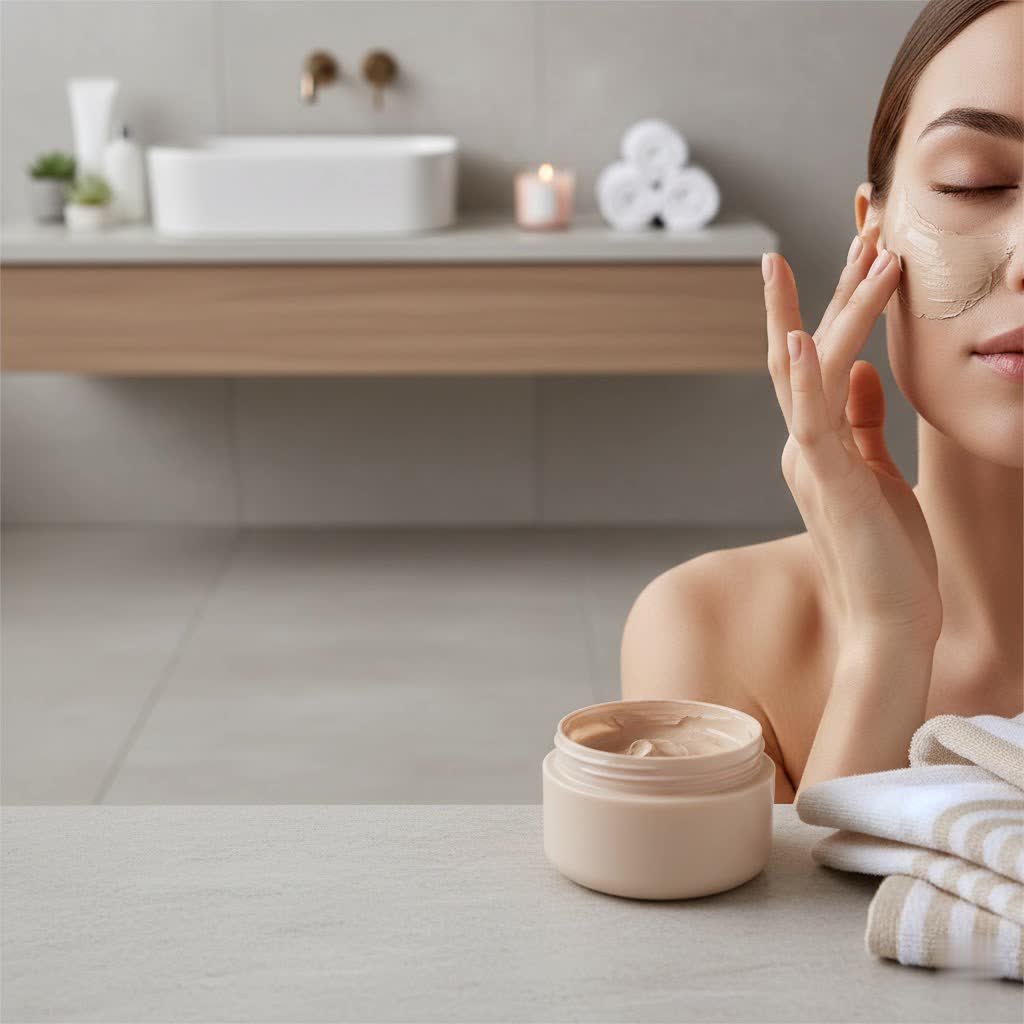
Have you ever wondered about the secret behind deeply purified, radiant skin? In the bustling world of skincare, charcoal face masks have emerged as a powerhouse, celebrated for their ability to draw out impurities and leave your complexion feeling refreshed. From environmental pollutants to daily grime, our skin faces a constant barrage that can lead to clogged pores and dullness. This comprehensive guide will delve into everything you need to know about charcoal face masks, helping you understand their benefits, proper usage, and how to choose the best option for your skin health.

What is a Charcoal Face Mask?
A charcoal face mask is a skincare treatment featuring activated charcoal as its primary active ingredient. Unlike the charcoal used for grilling, activated charcoal undergoes a specialized high-temperature process that increases its porosity, creating a vast surface area filled with microscopic pores. This unique structure gives activated charcoal its exceptional ability to bind to toxins, excess oil, and impurities on the skin’s surface and within pores. For best face masks roundups on this site.
The concept of using charcoal for health benefits dates back centuries, but its integration into cosmetics surged around 2014, with many products claiming to deliver a smoother, clearer complexion. When applied to the skin, activated charcoal acts like a powerful magnet, effectively pulling out dirt, sebum, bacteria, and even tiny pollutants trapped deep within your pores. This detoxifying action makes it a popular choice for individuals seeking a deep cleanse and a revitalized look.
Benefits of Charcoal Face Masks
Charcoal face masks offer a range of tangible skincare benefits when incorporated thoughtfully into your routine:
- Deep Pore Cleansing: Activated charcoal excels at reaching deep into pores to remove dirt, oil, and dead skin cells that regular cleansers might miss. This thorough cleansing helps prevent blockages that can lead to breakouts.
- Reduced Blackheads and Whiteheads: By helping to unclog pores and regulate sebum production, charcoal masks can significantly minimize the appearance of blackheads and whiteheads.
- Oil Control: For those with oily or acne-prone skin, charcoal masks can be particularly beneficial. They help absorb excess oil from the skin’s surface, promoting a more balanced and less shiny complexion.
- Detoxification: Activated charcoal is known for its ability to bind to environmental pollutants and heavy metals. When used in a mask, it helps draw these harmful substances out of the skin, contributing to a clearer and healthier appearance. Debra Jaliman, MD, a dermatologist, notes that charcoal is particularly good for individuals with acne and blackheads, as it can help reduce excess oil.
- Improved Skin Clarity: By removing impurities and excess oil, charcoal masks can contribute to a brighter, more even skin tone and a refreshed feel.
Forms of Charcoal Face Masks
While the core ingredient is activated charcoal, these masks come in various forms, each offering a slightly different application and experience:
- Clay Masks: Often combining activated charcoal with natural clays like bentonite or kaolin, these masks are creamy and dry on the skin, drawing out impurities as they harden. They are generally wash-off masks.
- Peel-Off Masks: These masks form a film that is peeled away once dry, physically lifting impurities, blackheads, and dead skin cells from the skin. However, some experts warn that harsh peel-off masks can be abrasive and potentially cause skin damage, micro-tears, or irritation, especially on sensitive skin.
- Sheet Masks: Infused with charcoal-rich serum, these convenient masks offer a hydrating and purifying treatment. They are typically left on for a set time and then removed, with excess serum massaged into the skin.
- DIY Charcoal Masks: Many choose to create their own masks using activated charcoal powder mixed with other beneficial ingredients like honey, yogurt, bentonite clay, or essential oils [1, 4 – search 2]. This allows for customization based on individual skin needs.
Comparing Common Charcoal Face Mask Forms
Here’s a comparison to help you understand the differences between popular charcoal face mask forms:
| Feature | Clay Charcoal Masks | Peel-Off Charcoal Masks | Sheet Charcoal Masks |
|---|---|---|---|
| Application | Creamy texture, applied evenly, dries on skin | Gel-like, forms a film, peeled off when dry | Pre-cut fabric soaked in serum, placed on face |
| Primary Action | Absorbs oil, deep cleanses pores, detoxifies | Physically lifts impurities, exfoliates | Delivers serum, purifies, hydrates |
| Ideal For | Oily, combination, acne-prone skin | Occasional deep cleaning (use with caution) | All skin types, especially for quick detox & hydration |
| Key Benefits | Deep detoxification, oil regulation, clear pores | Visible removal of impurities (but can be harsh) | Convenient, soothing, purifying, hydrating |
| Potential Risks | Mild dryness or irritation if overused | Can cause irritation, redness, micro-tears, scarring if removed harshly or overused | Low risk; potential irritation from specific serum ingredients |
| Post-Mask Care | Always follow with toner and moisturizer | Always follow with soothing serum and moisturizer | Gently pat in excess serum, follow with moisturizer |
| Frequency | 1-2 times per week | Very sparingly, or avoid if skin is sensitive | 1-3 times per week, depending on product |
How to Choose the Right Charcoal Face Mask
Selecting the ideal charcoal face mask involves understanding your skin’s unique needs and being mindful of product formulations:
-
Identify Your Skin Type and Concerns:
- Oily/Acne-Prone Skin: Look for masks that emphasize oil absorption and deep cleansing, often containing bentonite or kaolin clay.
- Combination Skin: Seek masks that balance purification with some hydrating ingredients.
- Sensitive Skin: Opt for gentle formulations, avoid harsh peel-off types, and prioritize masks with soothing ingredients. Always patch test first.
- Dry Skin: While charcoal can be drying, some masks are formulated with hydrating components like hyaluronic acid or glycerin to mitigate this.
-
Scrutinize the Ingredients List:
- Look for: “Activated charcoal” (from bamboo, coconut, or wood), natural clays (bentonite, kaolin), hydrating agents (glycerin, hyaluronic acid, aloe vera), and soothing extracts (chamomile, green tea).
- Consider Avoiding (especially if sensitive): Harsh alcohols, strong fragrances, and certain preservatives that may cause irritation. Some commercial products are not FDA-regulated and may contain ingredients that cause allergies or chemical burns.
-
Check for Quality and Reputation: Purchase from reputable brands and retailers. While specific certifications might vary by region, a transparent brand with positive reviews often indicates a more reliable product.
-
Patch Test: Before applying any new charcoal face mask to your entire face, perform a patch test on a small, inconspicuous area of your skin, such as behind your ear or on your inner elbow. Wait 24-48 hours to check for any redness, itching, or irritation.
What to Look for in a Quality Charcoal Face Mask
A high-quality charcoal face mask effectively purifies without compromising your skin’s health. When evaluating options, prioritize these characteristics:
- Ethically Sourced Activated Charcoal: Ensure the activated charcoal is derived from sustainable sources like bamboo, coconut shells, or wood, which indicates a purer product.
- Complementary Ingredients: Look for formulations that include other beneficial ingredients tailored to skin concerns. For instance, salicylic acid or tea tree oil can enhance acne-fighting properties, while hyaluronic acid or squalane can counteract potential dryness.
- Absence of Harsh Additives: Quality masks typically avoid parabens, sulfates, phthalates, and strong synthetic fragrances, which can be irritating, especially for sensitive skin.
- Clear Usage Instructions: Reputable products will provide clear guidance on application, duration, and frequency of use, ensuring you can maximize benefits and minimize risks.
- Positive User Feedback: While not the sole indicator, a product with consistently good reviews often reflects its effectiveness and user satisfaction.
How to Use and Care for Your Charcoal Face Mask Correctly
Proper application and post-mask care are crucial to maximize benefits and avoid potential side effects.
Step-by-Step Application:
|
Our Picks for the Best Face Mask in 2026
As an Amazon Associate I earn from qualifying purchases.
|
||
| Num | Product | Action |
|---|---|---|
| 1 | BIODANCE Refreshing Sea kelp Real Deep Mask, Overnight Hydrogel Mask, Calming, Oil & Sebum Control, Blemish Care, Korean Skin Care, Valentines Day Gifts for Her - 1.19oz(34g) x 4ea |

|
| 2 | NNPCBT 100PCS 3 Ply Black Disposable Face Mask Filter Protection Face Masks |
|
| 3 | NNPCBT Blue Disposable Face Masks 100 Pack,3-Ply Breathable Mask For Adults,Great For Outdoors,Home, Office, School |
|
| 4 | LEMENT 50pcs KN95 Face Mask Black 5 Layer Cup Dust Safety Masks Filter Efficiency≥95% Breathable Elastic Ear Loops Black Masks |
|
| 5 | MAREE Collagen Facial Mask with Hyaluronic Acid — Sheet Face Mask Skincare — Centella Asiatica, Green & Red Algae Extract — Hydrating Facemask For Women Skin Care — Mascarillas Para La Cara — 6 Count |
|
| 6 | 100 PCS Disposable Face Masks, Black Disposable Masks, 3 Ply Protection Face Masks |
|
| 7 | LEVENIS KN95 Face Masks 50 Pack, Breathable Comfortable and Disposable KN95 Mask, Black |
|
| 8 | 14 Pack Sheet Face Masks Skincare, Hydrating Face Masks Suitable for Dry Skin, Bulk Facial Mask Set for Women Skin Care, Face Mask Gifts Set for Face Spa |
|
| 9 | Bio-Collagen Real Deep Mask – Low Molecular Collagen, Hyaluronic Acid & Galactomyces Probiotics – Hydrating, Pore-Minimizing & Firming Facial Sheet Mask – 5 Pack |
|
| 10 | Achiou Ski Mask for Men Women, Balaclava Face Cover, Shiesty Mask UV Protector Lightweight for Motorcycle Snowboard |
|
- Cleanse Your Face: Start with a thoroughly cleansed face. Use a gentle cleanser to remove makeup, dirt, and surface oils. Pat your skin dry with a clean towel.
- Patch Test (if new product): Apply a tiny amount to a small area of your jawline or behind your ear and wait 24 hours to ensure no adverse reaction.
- Apply Evenly: Using clean fingers or a mask brush, apply a thin, even layer of the charcoal mask to your face, avoiding the delicate eye area, eyebrows, and lips.
- Observe Timing: Leave the mask on for the duration recommended on the product’s label, usually 10-15 minutes. Do not leave it on longer, as extended contact can lead to excessive dryness and irritation.
- Gentle Removal:
- Wash-off masks: Rinse thoroughly with lukewarm water, gently massaging your skin to ensure all residue is removed.
- Peel-off masks: Gently peel the mask off from the outer edges inwards. Avoid harsh pulling or yanking, which can cause micro-tears or irritation. If the mask is difficult to remove, use warm water to loosen it.
- Sheet masks: Remove the mask and gently pat any remaining serum into your skin.
- Moisturize: After removing the mask, always follow up with a hydrating toner, serum, and a non-comedogenic moisturizer. Charcoal can pull out impurities but also moisture, so replenishing hydration is essential to restore your skin’s balance and prevent dryness.
Frequency of Use:
Charcoal masks are powerful and should not be overused. Limit application to once or twice per week at most. Daily use can strip natural oils, weaken the skin barrier, and trigger irritation, redness, or even eczema flare-ups, especially for sensitive individuals.
Common Mistakes to Avoid:
- Over-Exfoliation: Pairing a charcoal mask with other strong exfoliants (like retinoids, AHAs/BHAs, or physical scrubs) on the same day can lead to over-exfoliation and irritation.
- Applying to Compromised Skin: Never use a charcoal mask on sunburned, cracked, freshly waxed, or otherwise compromised skin. Wait until your skin has fully healed.
- Forgetting Post-Mask Hydration: This is a crucial step that is often overlooked. Always rehydrate your skin after using a charcoal mask.
“While charcoal face masks can be effective for deep cleansing and oil control, it’s vital to use them mindfully. Overuse or aggressive removal of peel-off masks can do more harm than good, potentially causing irritation or compromising your skin barrier.” – Dr. Evelyn Reed, Dermatologist specializing in cosmetic skincare.
Conclusion
Charcoal face masks can be a valuable addition to your skincare regimen, offering impressive benefits like deep pore cleansing, oil control, and detoxification. By understanding how activated charcoal works and adhering to proper usage guidelines, you can effectively address concerns like oily skin and clogged pores. Remember to choose products thoughtfully, always patch test, and prioritize gentle application and thorough post-mask hydration. When used correctly, a charcoal face mask can help you unveil a clearer, more balanced, and revitalized complexion. Are you ready to embrace the purifying power of charcoal for your skin?
Frequently Asked Questions
Can charcoal face masks remove blackheads permanently?
Charcoal face masks can effectively help unclog pores and reduce the appearance of blackheads by drawing out sebum and impurities. However, they do not permanently eliminate blackheads, as these are often a result of continuous oil production and environmental factors. Regular and proper use can help manage them.
Is it safe to use charcoal face masks on sensitive skin?
While charcoal masks can be beneficial, individuals with sensitive skin should exercise caution. Activated charcoal can be potent, and some formulations may contain ingredients that cause irritation. Always perform a patch test before full application, and opt for masks specifically designed for sensitive skin, avoiding harsh peel-off types.
How often should I use a charcoal face mask?
For most skin types, using a charcoal face mask once or twice a week is sufficient. Overusing the mask can lead to dryness, irritation, and potentially disrupt your skin’s natural barrier. Always refer to the product’s specific instructions for recommended frequency.
What should I do if my skin feels dry after using a charcoal mask?
It’s common for skin to feel slightly dry after a charcoal mask, as it absorbs oils and impurities. To counteract this, immediately follow with a hydrating serum, such as one containing hyaluronic acid, and a rich, non-comedogenic moisturizer to replenish moisture and restore your skin’s balance.
Can charcoal face masks cause breakouts?
In some cases, especially if overused or if your skin reacts poorly to specific ingredients, a charcoal mask could potentially trigger breakouts. If you experience new or worsened acne after using a charcoal mask, discontinue use and consult with a dermatologist to determine the cause.
Build a cleanser routine that actually works
Practical specs, not advice. Unsubscribe anytime.
