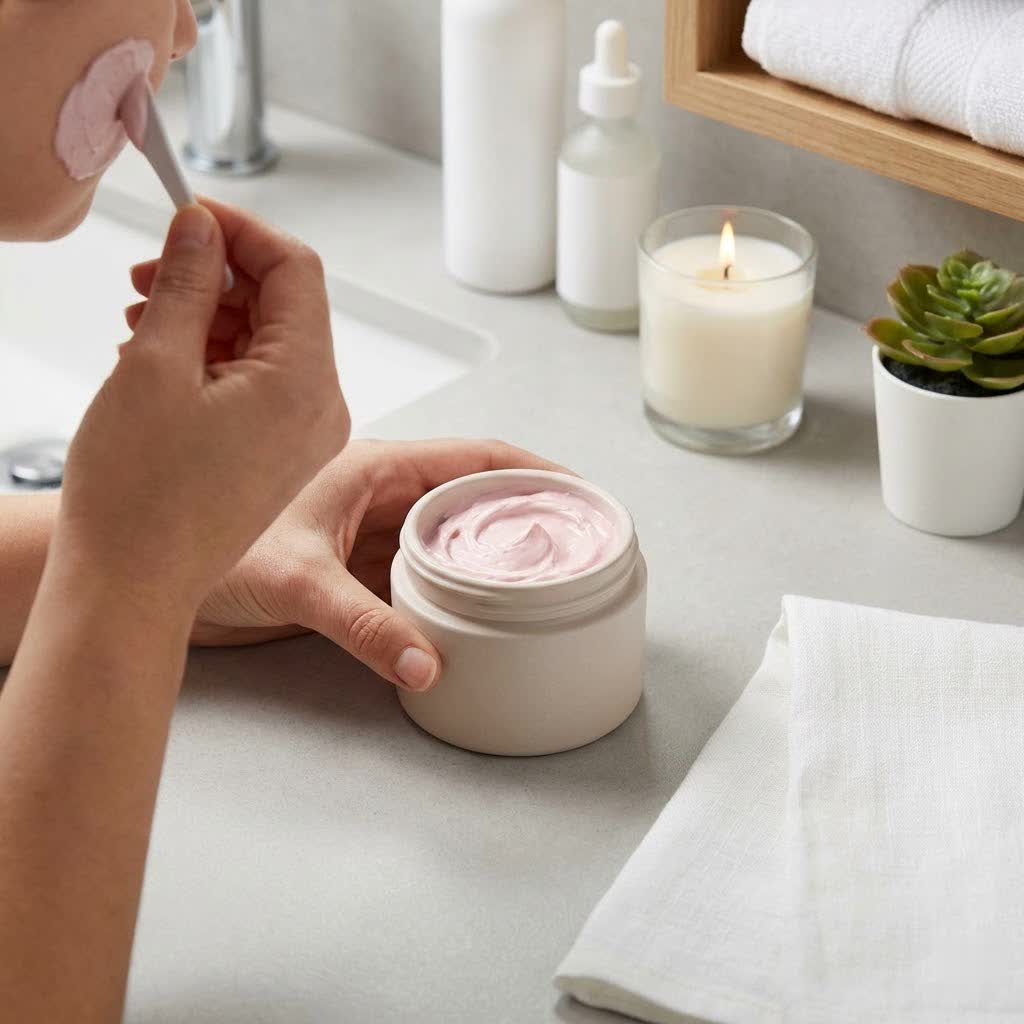
Turmeric face masks offer a natural, effective, and budget-friendly solution for achieving clear, radiant skin, leveraging the active compound curcumin for its anti-inflammatory and antioxidant benefits. This ancient spice, Curcuma longa, helps address common skin concerns such as acne, hyperpigmentation, and signs of aging. Incorporating turmeric into your skincare routine via face masks can soothe irritation, fight breakouts, brighten skin tone, and promote a youthful complexion.
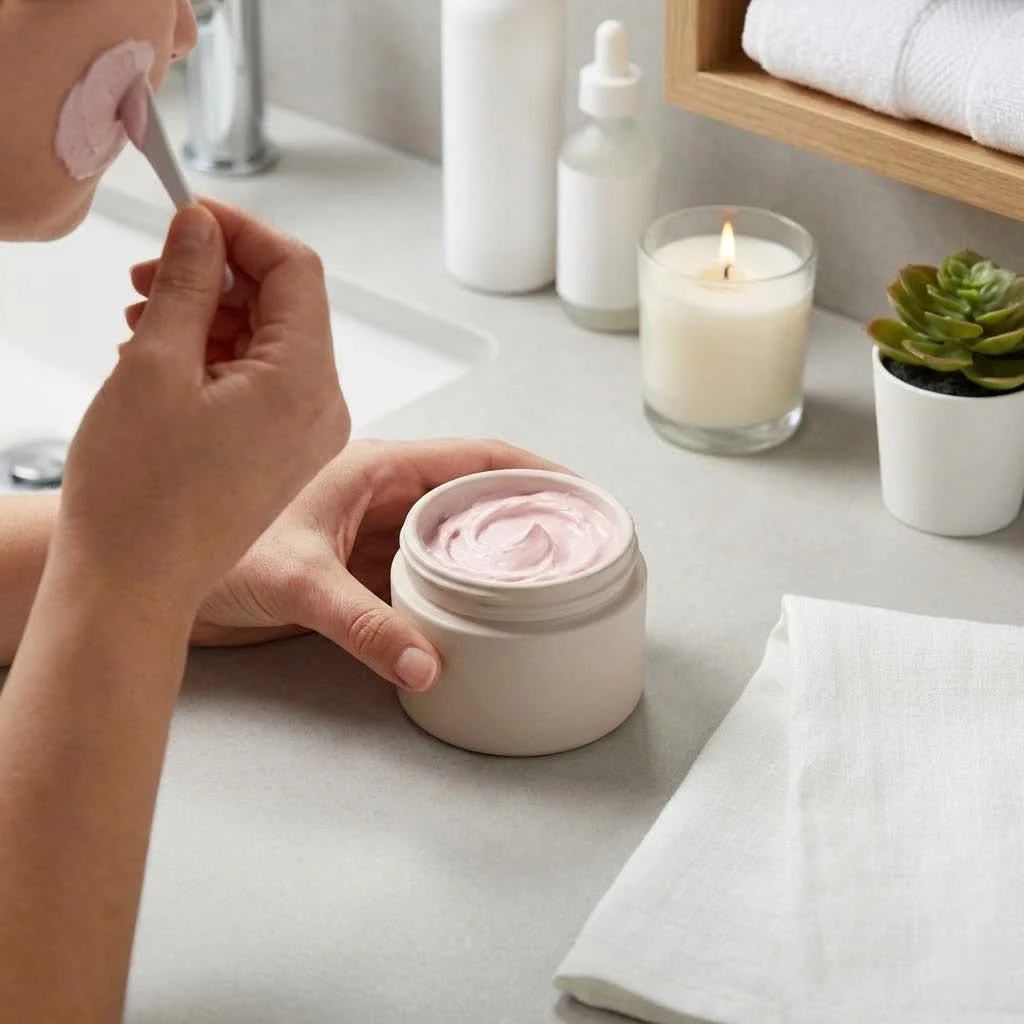
What is a Face Mask? Harnessing Turmeric’s Ancient Power
A face mask is a concentrated treatment designed to deliver potent ingredients to the skin, addressing specific concerns like dryness, dullness, acne, and aging. Unlike daily cleansers or moisturizers, masks provide an intense boost of targeted nutrients over a shorter period.
Turmeric, or Curcuma longa, is a plant native to Asia, deeply rooted in Ayurvedic and Eastern medicine. Its primary active compound, curcumin, is a potent antioxidant and anti-inflammatory agent responsible for many of its health and beauty benefits. When applied topically, turmeric becomes a natural powerhouse that can soothe, heal, and rejuvenate the skin.
The Science-Backed Benefits of Turmeric for Your Skin
Turmeric’s appeal in skincare isn’t just anecdotal; research supports its efficacy across a spectrum of skin conditions. Incorporating turmeric into your skincare routine, especially via face masks, can unlock several transformative benefits:
- Anti-Inflammatory Power: Curcumin is renowned for its ability to reduce inflammation, making turmeric an excellent natural remedy for calming irritated skin, lessening redness, and soothing conditions like eczema, psoriasis, and rosacea. It helps bring balance back to sensitive and reactive complexions.
- A Potent Acne Fighter: With its strong antibacterial and antifungal properties, turmeric directly targets acne-causing bacteria, helping to prevent breakouts and decongest clogged pores. Regular use can also help diminish the appearance of acne scars over time, leading to clearer, smoother skin.
- Brightening and Even Tone: Turmeric excels at boosting skin radiance. It works by inhibiting melanin production, which is responsible for dark spots and hyperpigmentation. Consistent application helps fade these imperfections, leading to a more uniform and luminous skin tone.
- Anti-Aging Properties: Rich in antioxidants, turmeric actively combats free radicals, which are key culprits in premature aging, causing wrinkles, fine lines, and sagging skin. By neutralizing these damaging elements, turmeric helps maintain youthful skin and promotes a firmer, more resilient complexion.
- Exfoliation and Cell Turnover: Turmeric acts as a gentle natural exfoliator, aiding in the removal of dead skin cells and encouraging healthy cell turnover. This process reveals fresh, new skin underneath, leaving your face feeling smoother and softer without the need for harsh physical scrubs.
- Repairs Sun Damage: The healing and regenerative qualities of turmeric can help mitigate the effects of sun exposure. It works to lighten sunspots, reduce inflammation associated with sunburn, and support the skin’s natural barrier, gently reversing signs of sun damage and uneven pigmentation.
- Improves Skin Elasticity: Turmeric plays a role in enhancing collagen production, a vital protein for maintaining skin’s elasticity and firmness. This contributes to reducing sagging and keeping the skin smooth, plump, and tight.
Crafting Your Own: Popular Turmeric Face Mask Recipes for Every Skin Type
Making your own turmeric face masks at home allows for customization based on your unique skin concerns and ensures you’re using fresh, natural ingredients. Here are some popular, easy-to-make recipes:
Turmeric and Honey Mask (Anti-Acne & Glow)
|
Our Picks for the Best Face Mask in 2026
As an Amazon Associate I earn from qualifying purchases.
|
||
| Num | Product | Action |
|---|---|---|
| 1 | NNPCBT 100PCS 3 Ply Black Disposable Face Mask Filter Protection Face Masks |

|
| 2 | Bio-Collagen Real Deep Mask – Low Molecular Collagen, Hyaluronic Acid & Galactomyces Probiotics – Hydrating, Pore-Minimizing & Firming Facial Sheet Mask – 5 Pack |
|
| 3 | 14 Pack Sheet Face Masks Skincare, Hydrating Face Masks Suitable for Dry Skin, Bulk Facial Mask Set for Women Skin Care, Face Mask Gifts Set for Face Spa |
|
| 4 | NNPCBT Blue Disposable Face Masks 100 Pack,3-Ply Breathable Mask For Adults,Great For Outdoors,Home, Office, School |
|
| 5 | LEVENIS KN95 Face Masks 50 Pack, Breathable Comfortable and Disposable KN95 Mask, Black |
|
| 6 | Achiou Ski Mask for Men Women, Balaclava Face Cover, Shiesty Mask UV Protector Lightweight for Motorcycle Snowboard |
|
| 7 | BIODANCE Refreshing Sea kelp Real Deep Mask, Overnight Hydrogel Mask, Calming, Oil & Sebum Control, Blemish Care, Korean Skin Care, Valentines Day Gifts for Her - 1.19oz(34g) x 4ea |
|
| 8 | MAREE Collagen Facial Mask with Hyaluronic Acid — Sheet Face Mask Skincare — Centella Asiatica, Green & Red Algae Extract — Hydrating Facemask For Women Skin Care — Mascarillas Para La Cara — 6 Count |
|
| 9 | 100 PCS Disposable Face Masks, Black Disposable Masks, 3 Ply Protection Face Masks |
|
| 10 | LEMENT 50pcs KN95 Face Mask Black 5 Layer Cup Dust Safety Masks Filter Efficiency≥95% Breathable Elastic Ear Loops Black Masks |
|
This classic combination leverages honey’s natural humectant and antibacterial properties alongside turmeric’s anti-inflammatory benefits, making it ideal for combating breakouts while imparting a healthy glow.
- Ingredients: 1 teaspoon turmeric powder, 1 tablespoon raw honey.
- How to Use: Mix ingredients into a smooth paste. Apply evenly to cleansed skin, leave on for 15-20 minutes, then rinse with lukewarm water.
- Best For: Acne-prone, dull, or oily skin.
Turmeric and Yogurt Mask (Brightening & Hydration)
Yogurt, with its lactic acid content, offers gentle exfoliation, while turmeric works to brighten and even out skin tone. This mask is perfect for a radiant boost.
- Ingredients: 1 teaspoon turmeric powder, 1 tablespoon plain yogurt.
- How to Use: Combine thoroughly and apply. Leave for 15 minutes before rinsing.
- Best For: Uneven skin tone, dullness, and those seeking gentle exfoliation.
Turmeric and Aloe Vera Mask (Soothing & Sensitive)
For sensitive or irritated skin, this mask offers cooling relief. Aloe vera heals and hydrates, complementing turmeric’s ability to soothe inflammation and fade discoloration.
- Ingredients: 1 teaspoon turmeric powder, 2 tablespoons pure aloe vera gel.
- How to Use: Mix well and apply to clean skin. Let sit for 15 minutes, then rinse.
- Best For: Sensitive, sunburned, or irritated skin. Pro Tip: Store in the fridge for an extra cooling, anti-inflammatory treatment.
Turmeric, Lemon, and Besan (Gram Flour) Mask (Dark Spots & Tanning)
This powerful trio aims to lighten dark spots and reduce tanning. Lemon juice provides a brightening boost, while besan helps in gentle exfoliation.
- Ingredients: 1 teaspoon turmeric powder, a few drops of lemon juice, 1 tablespoon besan (gram flour).
- How to Use: Mix into a paste, apply for 10-15 minutes, then rinse gently.
- Best For: Tanned, pigmented, or uneven skin.
- Caution: Lemon can increase sun sensitivity. Use this mask only at night and always apply sunscreen the following day. Always perform a patch test as lemon can sting sensitive skin.
Turmeric and Oatmeal Mask (Gentle Exfoliation)
Oatmeal is known for its soothing properties, making this mask ideal for sensitive skin needing gentle exfoliation without irritation.
- Ingredients: 1 teaspoon turmeric powder, 2 tablespoons finely ground oats, 1 teaspoon honey.
- How to Use: Gently massage onto damp skin, leave for 15 minutes, then rinse off.
- Best For: Combination or sensitive skin, post-acne irritation.
Turmeric Face Mask Comparison Chart
| Recipe | Best For | Key Benefits | Frequency |
|---|---|---|---|
| Turmeric & Honey | Acne-prone, dull, oily skin | Anti-acne, glow, antibacterial, hydrating | 2-3 times/week |
| Turmeric & Yogurt | Uneven skin tone, dry patches | Brightening, hydration, gentle exfoliation (lactic acid) | 2-3 times/week |
| Turmeric & Aloe Vera | Sensitive, sunburned, irritated skin | Soothing, pigmentation control, healing, cooling | 1-2 times/week |
| Turmeric, Lemon & Besan | Tanned, pigmented, uneven skin | Skin lightening, dark spot reduction, removes dead skin (with caution for lemon) | Once a week (PM) |
| Turmeric & Oatmeal | Combination or sensitive skin | Gentle exfoliation, soothing, anti-inflammatory | 1-2 times/week |
Your Essential Buying Guide: Sourcing Turmeric for Skincare
The quality of your turmeric significantly impacts your mask’s effectiveness and safety.
- Pure Turmeric Powder vs. Cooking Blends: Always opt for 100% pure turmeric powder. Kitchen spice blends often contain additives, colorings, or fillers not intended for topical application, which can lead to irritation or allergic reactions. Look for “turmeric” or “curcuma longa” as the only ingredient.
- Organic vs. Regular: While not essential, organic turmeric is preferable as it ensures the spice is grown without synthetic pesticides or fertilizers. This reduces the risk of introducing unwanted chemicals to your skin.
- Where to Buy: Purchase your turmeric powder from reputable health food stores, organic markets, or trusted online suppliers that specifically sell cosmetic-grade turmeric or pure organic spices.
How to Use and Care for Your Turmeric Face Mask
Maximizing the benefits of your turmeric face mask involves proper application, timing, and post-mask care.
Preparation
Start with a clean canvas. Wash your face with a gentle cleanser to remove makeup, dirt, and oils. Slightly damp skin allows the mask to spread more evenly and enhances ingredient absorption.
Application
Use clean fingertips, a mask brush, or a silicone applicator to apply an even layer of the mask to your face, avoiding the delicate eye and lip areas. The skin in these regions is thinner and more prone to irritation. Keep the mask at least half an inch away from your eyes and mouth.
Duration
Leave the mask on for 10-15 minutes. For sensitive skin, start with 5-7 minutes. It’s best to remove the mask while it’s still slightly damp, as letting it dry completely can sometimes lead to irritation.
Removal
Rinse off the mask thoroughly with lukewarm water. Gently massage in circular motions to leverage any exfoliating ingredients and boost circulation. Pat your face dry using a soft, dark-colored towel, as turmeric can temporarily stain lighter fabrics.
Post-Mask Care
Follow up with a lightweight, non-comedogenic moisturizer or aloe vera gel to lock in hydration and soothe the skin.
Frequency Guidelines
Turmeric is effective but potent. Generally, using a turmeric face mask 2-3 times per week is ideal for most skin types. Those with very dry or sensitive skin should start with 1-2 times per week to prevent over-exfoliation or irritation. Consistency over several weeks yields the best results.
Tips to Prevent Staining
The curcumin in turmeric can leave a temporary yellow tint on the skin, especially on fairer complexions. This is harmless and usually fades within 24 hours.
- Mix with diluting agents: Ingredients like yogurt, milk, or honey can help minimize staining by binding to the pigment, making it easier to rinse away.
- Removal aids: If you notice a tint, gently wipe your skin with micellar water or a cotton pad soaked in milk.
- Protect your belongings: Wear an old t-shirt, drape a dark towel over your shoulders, and use dark-colored washcloths to avoid staining clothes and linens.
Storage
DIY masks are best made fresh for each use. If you have leftovers, store them in an airtight container in the refrigerator for no more than 48 hours. Beyond this, active ingredients may lose potency, and bacterial growth can become a concern. Always discard if the mask changes color, develops an odor, or separates.
Expert Tips and Realistic Expectations
- Patch Testing is Crucial: Before applying any new mask to your face, always perform a patch test. Apply a small amount to an inconspicuous area, like behind your ear or on your inner wrist, and wait 24 hours to check for any redness, itching, or discomfort.
- Consistency is Key: Natural skincare works gradually. Do not expect overnight miracles. Consistent use for at least 4-6 weeks allows your skin to respond and regenerate, revealing sustainable results that improve over time.
- Listen to Your Skin: Pay attention to how your skin reacts. If you experience persistent irritation, reduce frequency, adjust ingredients, or discontinue use.
- When to Consult a Dermatologist: While turmeric is generally safe, if you have severe skin conditions like rosacea or eczema, or if you experience significant adverse reactions, consult with a dermatologist before trying new DIY treatments.
Conclusion
Turmeric face masks offer a powerful, natural, and budget-friendly pathway to achieving glowing, healthy skin without relying on harsh chemicals or expensive products. Backed by centuries of tradition and increasingly by modern science, turmeric delivers a multitude of skin benefits—from fighting acne and reducing inflammation to brightening your complexion and delaying signs of aging.
By understanding the diverse benefits, mastering simple DIY recipes, and following essential usage guidelines, you can seamlessly integrate this golden spice into your skincare regimen. Embrace the journey of natural skincare; your skin will thank you with a smoother, clearer, and more radiant glow. What specific skin concern are you hoping to address with the golden power of turmeric?
Frequently Asked Questions
How to Use a Turmeric Face Mask for Best Results
Follow these steps to properly prepare, apply, and remove a turmeric face mask to maximize its benefits and prevent staining.
Start with a clean face by washing it with a gentle cleanser to remove makeup, dirt, and oils. Slightly damp skin allows the mask to spread more evenly and enhances ingredient absorption.
Using clean fingertips, a mask brush, or a silicone applicator, apply an even layer of the turmeric mask to your face. Be sure to avoid the delicate eye and lip areas, keeping the mask at least half an inch away from these regions.
Leave the mask on for 10-15 minutes. For sensitive skin, begin with a shorter duration of 5-7 minutes. It is best to remove the mask while it is still slightly damp to prevent potential irritation from drying completely.
Rinse off the mask completely with lukewarm water, gently massaging in circular motions to aid exfoliation and boost circulation. Pat your face dry using a soft, dark-colored towel to avoid temporary staining on lighter fabrics.
After removing the mask, follow up with a lightweight, non-comedogenic moisturizer or aloe vera gel. This step helps to lock in hydration and soothe the skin, completing your skincare routine.
Build a cleanser routine that actually works
Practical specs, not advice. Unsubscribe anytime.

As someone with sensitive skin, I’m always hesitant to try new products, but these natural turmeric masks are a game-changer. I used the turmeric and oatmeal recipe, and it was incredibly soothing. It really helped with some minor irritation I was having, and my skin felt so much smoother and clearer. It’s great to find something effective that doesn’t cause any adverse reactions.
I was excited to try these DIY turmeric masks for my dull skin, especially since they’re so budget-friendly. I made the turmeric and aloe vera one, and while it did leave my skin feeling hydrated, I didn’t notice a huge difference in brightness after a few uses. Maybe I need to use it longer to see the full effect of the curcumin. It’s a nice natural option, though.
I’ve been using the turmeric and honey mask recipe for a few weeks now, and my skin has never looked better! The hyperpigmentation around my cheeks has visibly faded, and my complexion just looks so much brighter. It’s amazing how a simple spice can have such powerful antioxidant benefits. Definitely recommend trying this if you’re looking for natural ways to improve your skin tone.
I tried the turmeric and yogurt mask for my occasional breakouts, and it really helped calm down the redness and inflammation. My skin felt super soft afterwards, too. The only downside is that it can be a bit messy to apply, and I had to be careful not to stain my clothes. But for the anti-inflammatory benefits, it’s worth the extra effort.