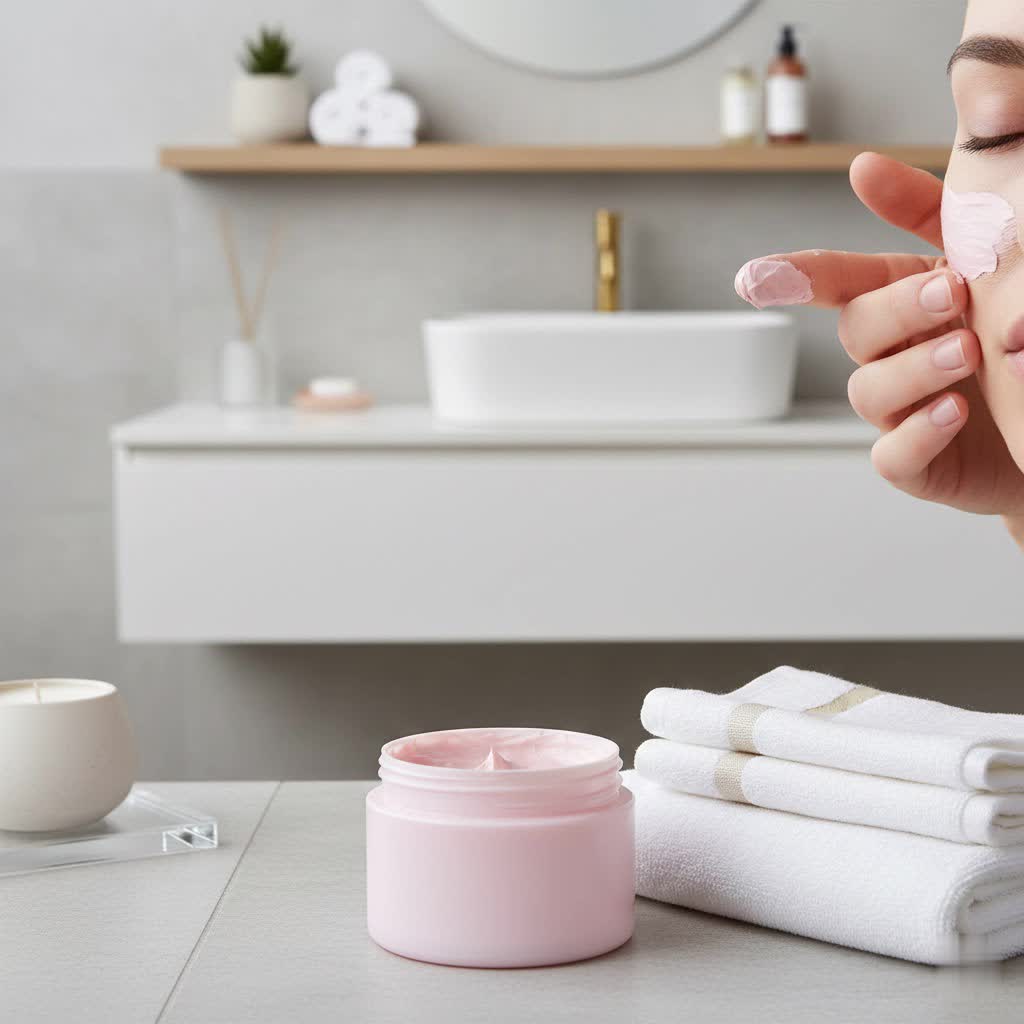
Do you often wake up to dull, tired-looking skin, wishing for a magical solution to restore its youthful glow? The secret to achieving a radiant, revitalized complexion overnight might just be an overnight face mask. These powerful skincare treatments work their magic while you sleep, transforming your skin and helping you wake up to a noticeably healthier, more vibrant look.
What Exactly is an Overnight Face Mask?
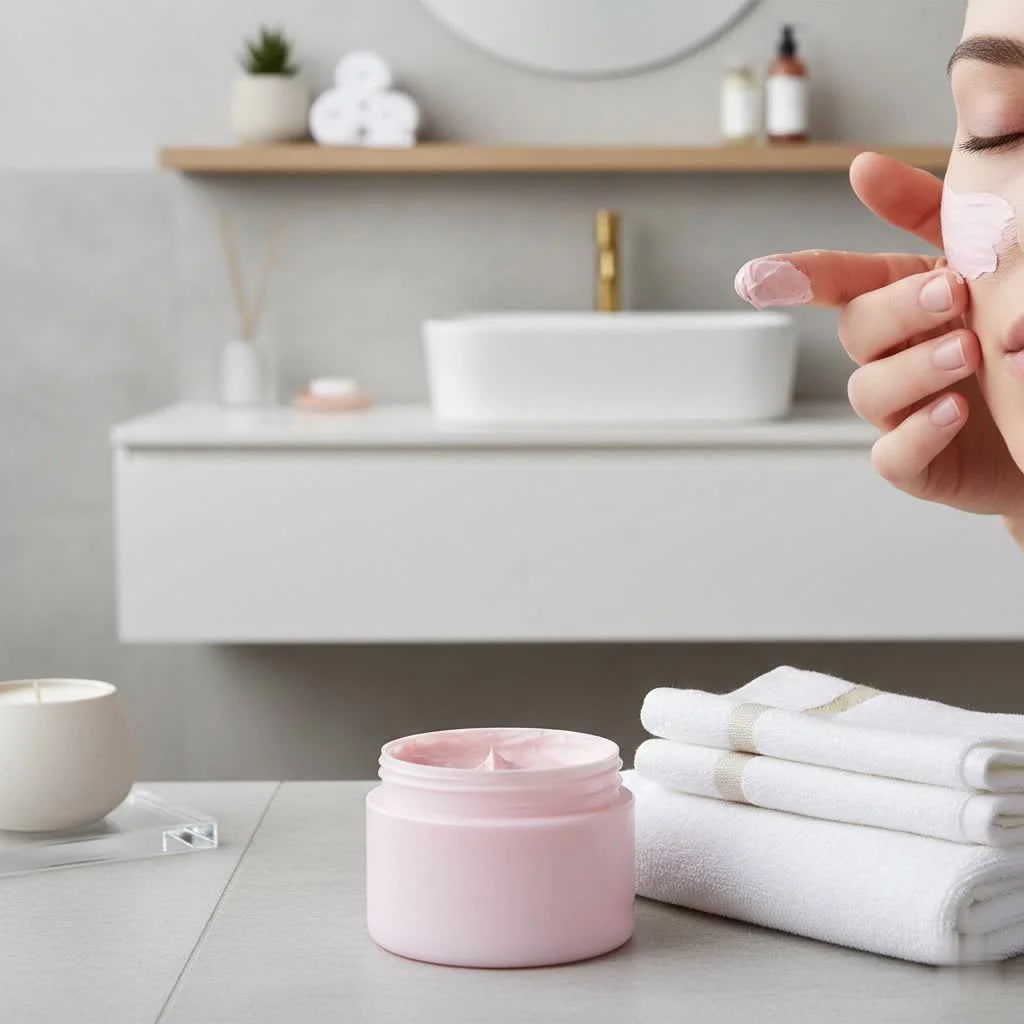
An overnight face mask, also often referred to as a sleeping mask or sleeping pack, is a specialized skincare product designed for extended wear during your nighttime rest. Unlike traditional face masks that require rinsing after 10-20 minutes, these masks are applied as the final step in your evening routine and left on until morning. Their primary purpose is to deliver a concentrated dose of active ingredients over several hours, capitalizing on the skin’s natural reparative processes that accelerate during sleep.
During the day, your skin is in defense mode, constantly battling environmental stressors like pollution and UV rays. However, at night, it switches into recovery mode. Cell regeneration speeds up, blood flow increases, and your skin becomes significantly more receptive to absorbing beneficial ingredients. This makes the sleep cycle an optimal time for intensive skin treatment, allowing an overnight face mask to penetrate deeply and work more effectively than a quick rinse-off treatment.
The Transformative Benefits of Overnight Face Masks
Incorporating an overnight face mask into your regimen can unlock a multitude of benefits, addressing various skin concerns and elevating your overall complexion.
Deep Hydration and Moisture Barrier Support
One of the most immediate and profound benefits of sleeping masks is their ability to provide intense hydration. Formulated with potent humectants and emollients, they create a protective layer on the skin’s surface, sealing in moisture and preventing transepidermal water loss throughout the night. This prolonged hydration significantly plumps the skin, reduces the appearance of dryness and flakiness, and leaves your complexion feeling exceptionally soft and supple by morning. Regular use strengthens the skin’s natural moisture barrier, making it more resilient against external irritants.
Targeted Skin Concerns
Overnight masks are versatile powerhouses, often formulated to tackle specific skin issues:
- Anti-Aging and Firming: Many masks contain ingredients like peptides, antioxidants, and certain plant extracts that stimulate collagen production and improve skin elasticity. This helps to visibly reduce the appearance of fine lines and wrinkles, promoting a firmer, more lifted look over time.
- Brightening and Radiance: If dullness or uneven skin tone is a concern, masks featuring vitamin C, niacinamide, or gentle AHAs can work to diminish dark spots, brighten the complexion, and enhance overall radiance, revealing a fresh glow.
- Soothing and Calming: For sensitive, irritated, or redness-prone skin, overnight masks infused with ingredients like Centella Asiatica, aloe vera, or arnica can provide significant relief. They calm inflammation and help to restore a balanced, comfortable skin state.
- Acne and Blemish Control: Some formulations include salicylic acid, mandelic acid, or purifying clays to gently exfoliate, clear pores, and reduce inflammation, making them beneficial for acne-prone skin without causing excessive dryness.
Enhanced Absorption of Active Ingredients
|
Our Picks for the Best Face Mask in 2026
As an Amazon Associate I earn from qualifying purchases.
|
||
| Num | Product | Action |
|---|---|---|
| 1 | Bio-Collagen Real Deep Mask – Low Molecular Collagen, Hyaluronic Acid & Galactomyces Probiotics – Hydrating, Pore-Minimizing & Firming Facial Sheet Mask – 5 Pack |

|
| 2 | 14 Pack Sheet Face Masks Skincare, Hydrating Face Masks Suitable for Dry Skin, Bulk Facial Mask Set for Women Skin Care, Face Mask Gifts Set for Face Spa |
|
| 3 | Achiou Ski Mask for Men Women, Balaclava Face Cover, Shiesty Mask UV Protector Lightweight for Motorcycle Snowboard |
|
| 4 | NNPCBT 100PCS 3 Ply Black Disposable Face Mask Filter Protection Face Masks |
|
| 5 | NNPCBT Blue Disposable Face Masks 100 Pack,3-Ply Breathable Mask For Adults,Great For Outdoors,Home, Office, School |
|
| 6 | 100 PCS Disposable Face Masks, Black Disposable Masks, 3 Ply Protection Face Masks |
|
| 7 | BIODANCE Refreshing Sea kelp Real Deep Mask, Overnight Hydrogel Mask, Calming, Oil & Sebum Control, Blemish Care, Korean Skin Care, Valentines Day Gifts for Her - 1.19oz(34g) x 4ea |
|
| 8 | LEMENT 50pcs KN95 Face Mask Black 5 Layer Cup Dust Safety Masks Filter Efficiency≥95% Breathable Elastic Ear Loops Black Masks |
|
| 9 | MAREE Collagen Facial Mask with Hyaluronic Acid — Sheet Face Mask Skincare — Centella Asiatica, Green & Red Algae Extract — Hydrating Facemask For Women Skin Care — Mascarillas Para La Cara — 6 Count |
|
| 10 | LEVENIS KN95 Face Masks 50 Pack, Breathable Comfortable and Disposable KN95 Mask, Black |
|
The extended contact time of an overnight mask allows active ingredients to absorb more thoroughly and effectively into the skin. As board-certified dermatologist Dr. Hadley King explains, “Overnight masks are designed to be the final step of your nighttime skin regimen, sealing in facial serums, creams, and oils, and their gel-like formulations often enhance the penetration of active ingredients.” This prolonged exposure maximizes the impact of beneficial compounds, ensuring your skin receives the full therapeutic effect.
Convenience and Time-Saving
In our busy lives, finding extra time for elaborate skincare can be a challenge. Overnight masks offer a remarkably convenient solution. They require minimal effort: simply apply before bed and let them work their magic while you sleep. There’s no need to wait around for a mask to set or worry about rinsing it off after a short period, making them perfect for those seeking effective yet time-efficient beauty solutions.
Key Ingredients to Look For in Your Overnight Mask
The efficacy of an overnight mask largely depends on its active ingredients, chosen to address specific concerns.
- For Deep Hydration: Look for ingredients like Hyaluronic Acid (a powerful humectant that draws and holds moisture), Squalane (a lightweight emollient that mimics skin’s natural oils), Ceramides (essential lipids that fortify the skin barrier), and rich plant butters (like shea or Murumuru butter) for deep nourishment.
- For Brightening and Even Tone: Vitamin C (a potent antioxidant that brightens and protects), Niacinamide (Vitamin B3, known for evening tone, refining pores, and strengthening the barrier), and Alpha Hydroxy Acids (AHAs) like lactic or mandelic acid for gentle exfoliation and radiance.
- For Anti-Aging and Firming: Peptides (amino acid chains that signal skin to produce collagen), Retinol (a vitamin A derivative that promotes cell turnover), and various antioxidants (to combat free radical damage) are excellent choices.
- For Soothing and Calming: Ingredients such as Centella Asiatica (Cica), Aloe Vera, Allantoin, and Arnica are renowned for their anti-inflammatory and healing properties, ideal for sensitive or stressed skin.
Choosing the Right Overnight Face Mask for Your Skin
Selecting the perfect overnight mask involves understanding your skin’s unique needs and goals.
Identify Your Skin Type and Concerns
Start by identifying your primary skin type – oily, dry, combination, normal, or sensitive – and your main concerns. Are you battling dryness, fine lines, dullness, or occasional breakouts? For instance, if you have dry skin, prioritize masks labeled “hydrating” or “barrier-strengthening” with rich emollients. If you’re concerned about texture and pores, ingredients like niacinamide or gentle AHAs might be beneficial.
Understand Ingredient Efficacy
Familiarize yourself with the key ingredients listed above. Match these ingredients to your identified concerns. A mask rich in hyaluronic acid and squalane will be excellent for parched skin, while one with Centella Asiatica and allantoin will calm sensitive complexions.
Read Reviews and Look for Trusted Formulations
While brand names are important, pay close attention to user reviews and ingredient lists. Look for masks that are non-comedogenic if you’re prone to breakouts, and fragrance-free if you have sensitive skin.
Consider Texture and Feel
Overnight masks come in various textures, from gels and creams to balms and “jelly-puddings.” Choose a texture that feels comfortable on your skin and won’t feel heavy or sticky, especially if you’re a restless sleeper. Many modern formulations absorb quickly, leaving a comfortable, non-greasy finish.
Patch Testing is Key
Whenever trying a new product, particularly one with potent active ingredients, always perform a patch test on a small, inconspicuous area of skin (like behind your ear or on your inner forearm) to ensure no adverse reactions occur.
How to Effectively Incorporate an Overnight Face Mask into Your Routine
Integrating an overnight mask into your existing skincare routine is straightforward, offering an impactful boost with minimal fuss.
- Cleanse: Begin with a thorough cleanse to remove all makeup, dirt, and impurities from your skin.
- Tone & Treat: Follow with your regular toner, essence, and any serums or targeted treatments. This layers your skincare, allowing the mask to seal in the benefits.
- Apply Your Overnight Mask: As the final step, apply a generous, even layer of the overnight mask to your face, neck, and décolletage. Avoid the immediate eye area unless the product specifies it’s safe for that delicate skin.
- Allow Absorption: Ideally, wait 10-30 minutes before heading to bed to allow the mask to absorb sufficiently. This helps prevent product transfer to your pillowcase, though placing a clean towel over your pillow is an extra precaution for peace of mind.
- Sleep & Rinse: Leave the mask on overnight. In the morning, gently rinse your face with lukewarm water, then proceed with your usual morning skincare routine, including cleansing and SPF.
Most experts recommend using an overnight mask 2-3 times per week, or whenever your skin feels particularly dull, dry, or stressed. Consistency is key to seeing the most significant improvements in your complexion.
Top Overnight Face Masks to Consider
While specific product recommendations are best left to personalized consultations, we can explore categories of highly effective overnight face masks that cater to diverse needs:
- For Intense Hydration: Look for masks rich in ingredients like hyaluronic acid, squalane, and ceramides. These often come in creamy or balm-like textures that deeply nourish and fortify the skin barrier, leaving skin plump and dewy.
- For Anti-Aging and Firming: Masks incorporating peptides, black tea ferment, or specific plant extracts are excellent choices. They aim to improve skin elasticity and reduce the appearance of fine lines, delivering a more toned and youthful look.
- For Brightening a Dull Complexion: Opt for masks featuring vitamin C, niacinamide, or mild fruit-derived AHAs. These formulations work to gently exfoliate, even out skin tone, and restore a luminous glow.
- For Soothing Sensitive or Reactive Skin: Seek out masks with calming ingredients such as Centella Asiatica (cica), aloe vera, or oatmeal extracts. These are designed to reduce redness, irritation, and discomfort, promoting a more balanced and comfortable skin feel.
- For Skin Refining and Pore Minimization: Masks containing niacinamide, polyglutamic acid, or gentle exfoliating acids can help to smooth rough texture and minimize the appearance of enlarged pores, resulting in a more refined skin surface.
The “right” mask is always the one that best suits your individual skin’s current condition and desired outcomes.
Conclusion
Overnight face masks are more than just a fleeting beauty trend; they are a strategic addition to any comprehensive skincare regimen, leveraging your body’s natural restorative processes to deliver concentrated benefits. From profound hydration and barrier repair to targeted treatments for aging, dullness, or sensitivity, these masks offer an unparalleled opportunity to transform your skin while you simply sleep. Waking up to a complexion that feels softer, looks brighter, and radiates health is not a dream—it’s the tangible result of embracing the power of an overnight face mask. So, are you ready to unlock your skin’s full potential and experience the true meaning of beauty sleep?
Frequently Asked Questions
How often should I use an overnight face mask?
Most dermatologists recommend using an overnight face mask 2-3 times a week for optimal results. However, if your skin is particularly dry or stressed, you might use it more frequently, while sensitive skin types may prefer less frequent application. Always follow the specific product instructions.
Can I use an overnight mask every night?
While many overnight masks are gentle enough for daily use, it’s generally recommended to use them 2-3 times per week to avoid overwhelming your skin with too many active ingredients. Listen to your skin’s needs; some heavier masks might be too rich for nightly application.
What’s the difference between an overnight mask and a night cream?
An overnight mask is typically a more concentrated treatment than a standard night cream, designed to deliver a higher dose of active ingredients and often forming a slightly occlusive layer to seal them in. Think of it as an intensive booster, while a night cream is your daily nourishing moisturizer.
Do I need to cleanse my face in the morning after using an overnight mask?
Yes, it is essential to cleanse your face in the morning after using an overnight mask. This removes any remaining product residue, impurities that may have accumulated overnight, and prepares your skin for your daytime skincare routine and SPF application.
Will an overnight mask stain my pillow?
Most modern overnight mask formulations are designed to absorb well into the skin, minimizing transfer to your pillow. However, applying the mask 10-30 minutes before bedtime and using a silk pillowcase or placing a clean towel over your pillow can provide extra assurance against any potential staining.
Can overnight masks cause breakouts?
Like any skincare product, an overnight mask can potentially cause breakouts if it contains ingredients that clog your pores or if it’s too rich for your skin type. Look for non-comedogenic formulas, especially if you have acne-prone skin, and always patch test new products.
Build a cleanser routine that actually works
Practical specs, not advice. Unsubscribe anytime.
