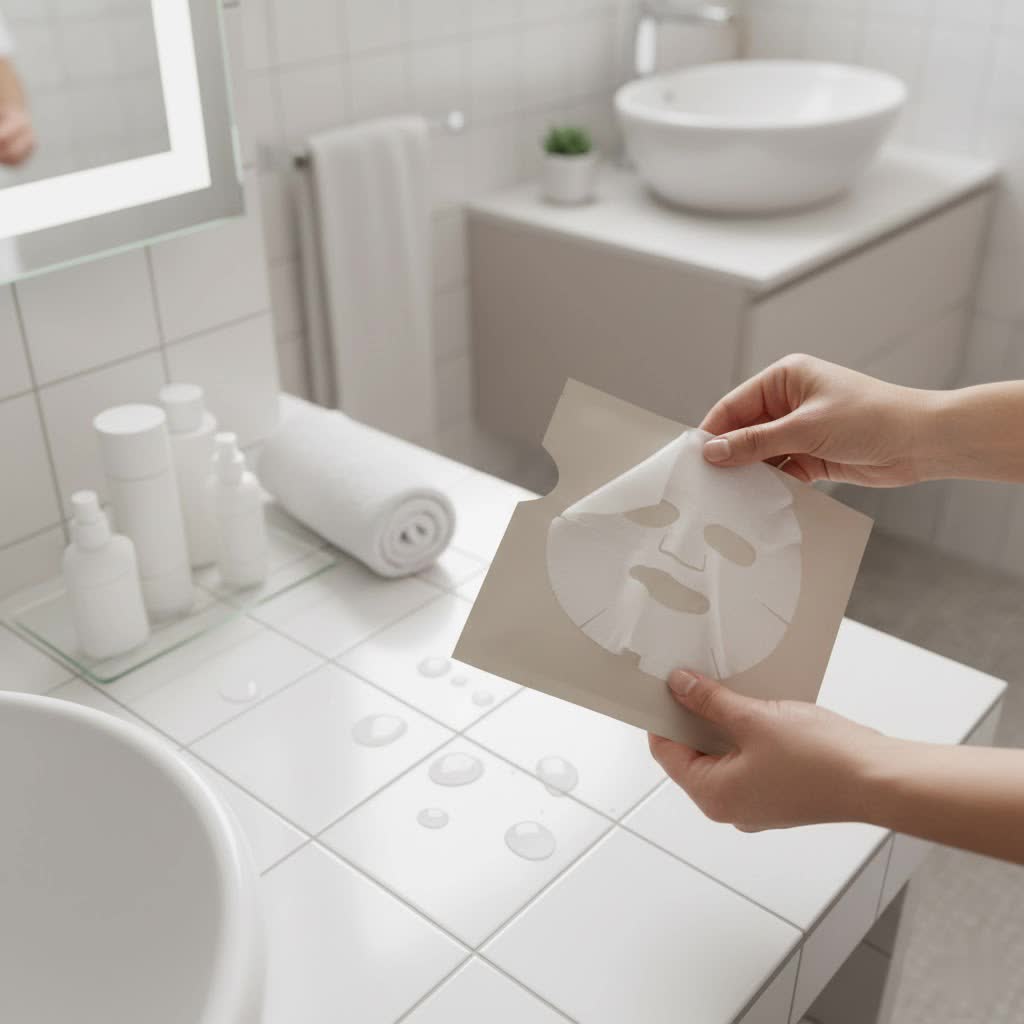
In today’s world, a simple face mask has become more than just an accessory; it’s a fundamental tool for personal health and public safety. As an experienced technician in personal protective equipment, I’ve seen firsthand how these seemingly basic items have evolved to offer enhanced protection against a myriad of airborne threats. Whether you’re navigating urban environments, working in specific industries, or simply seeking a layer of defense in daily life, understanding the different types of face masks and their proper use is crucial for safeguarding your well-being. This comprehensive guide will walk you through everything you need to know to make an informed choice and ensure you’re protected.

What is a Face Mask?
At its core, a face mask is a covering designed to create a physical barrier between your respiratory system and the surrounding environment. Its primary function is dual: to reduce the outward spread of respiratory droplets and aerosols from the wearer (source control) and to help filter inhaled particles, thus reducing the wearer’s exposure to potential hazards.
The concept of covering one’s face for protection dates back thousands of years. Ancient civilizations, including the Romans and Chinese, used rudimentary coverings made from materials like animal bladders or silk scarves to filter dust or prevent breath from contaminating food. The modern protective face mask began to take shape in the early 20th century, particularly during the Spanish Flu pandemic of 1918, when cloth masks became commonplace. The introduction of surgical masks in healthcare settings further propelled their development, leading to the advanced, multi-layered designs we see today, driven by continuous innovation and public health crises.
Common Types of Face Masks
The market offers a variety of face masks, each designed with specific materials, filtration capabilities, and use cases in mind. Understanding these differences is key to selecting the right mask for your needs.
Surgical Masks
Surgical masks, also known as medical masks, are ubiquitous disposable coverings typically used in healthcare and public settings.
- Structure: These loose-fitting masks are usually made from multiple layers of synthetic non-woven material, such as polypropylene. They often feature an outer hydrophobic (fluid-repellent) layer, a middle melt-blown layer for filtration, and an inner hydrophilic (moisture-absorbing) layer.
- Advantages: Surgical masks offer basic protection against large respiratory droplets, splashes, and sprays. Their primary benefit is to reduce the spread of the wearer’s respiratory emissions, acting as excellent source control. They are generally inexpensive and widely available.
- Disadvantages: Due to their loose fit around the face, surgical masks do not provide a tight seal, meaning air can leak around the edges. This design limitation makes them less effective at filtering very small airborne particles and they are not considered personal protective equipment (PPE) for the wearer in highly regulated or high-risk health and safety contexts. They are typically single-use.
- When to Use: Ideal for general public use in lower-risk environments, such as grocery stores or public transport, and in healthcare settings to protect patients from the wearer.
N95 and KN95 Respirators
|
Our Picks for the Best Face Mask in 2026
As an Amazon Associate I earn from qualifying purchases.
|
||
| Num | Product | Action |
|---|---|---|
| 1 | NNPCBT 100PCS 3 Ply Black Disposable Face Mask Filter Protection Face Masks |

|
| 2 | Bio-Collagen Real Deep Mask – Low Molecular Collagen, Hyaluronic Acid & Galactomyces Probiotics – Hydrating, Pore-Minimizing & Firming Facial Sheet Mask – 5 Pack |
|
| 3 | LEVENIS KN95 Face Masks 50 Pack, Breathable Comfortable and Disposable KN95 Mask, Black |
|
| 4 | BIODANCE Refreshing Sea kelp Real Deep Mask, Overnight Hydrogel Mask, Calming, Oil & Sebum Control, Blemish Care, Korean Skin Care, Valentines Day Gifts for Her - 1.19oz(34g) x 4ea |
|
| 5 | 14 Pack Sheet Face Masks Skincare, Hydrating Face Masks Suitable for Dry Skin, Bulk Facial Mask Set for Women Skin Care, Face Mask Gifts Set for Face Spa |
|
| 6 | MAREE Collagen Facial Mask with Hyaluronic Acid — Sheet Face Mask Skincare — Centella Asiatica, Green & Red Algae Extract — Hydrating Facemask For Women Skin Care — Mascarillas Para La Cara — 6 Count |
|
| 7 | NNPCBT Blue Disposable Face Masks 100 Pack,3-Ply Breathable Mask For Adults,Great For Outdoors,Home, Office, School |
|
| 8 | Achiou Ski Mask for Men Women, Balaclava Face Cover, Shiesty Mask UV Protector Lightweight for Motorcycle Snowboard |
|
| 9 | LEMENT 50pcs KN95 Face Mask Black 5 Layer Cup Dust Safety Masks Filter Efficiency≥95% Breathable Elastic Ear Loops Black Masks |
|
| 10 | 100 PCS Disposable Face Masks, Black Disposable Masks, 3 Ply Protection Face Masks |
|
N95 and KN95 masks are types of respirators designed to offer a higher level of personal protection by filtering airborne particles.
- Structure: These masks are engineered for a very close facial fit and utilize multi-layered filtration material. N95 respirators meet U.S. standards (NIOSH-approved) and typically feature elastic head straps for a secure seal. KN95 masks adhere to Chinese standards and often use ear loops, which can sometimes result in a less tight fit compared to an N95. Both are designed to filter 95% of airborne particles.
- Advantages: They provide robust protection to the wearer by effectively filtering at least 95% of very small airborne particles (0.3 microns or larger), including viruses and bacteria. KN95s, with their ear loops, can sometimes be perceived as more comfortable for extended wear by the general public.
- Disadvantages: The tight fit required for N95s can be uncomfortable and may leave marks on the face. N95 respirators demand proper fit testing to ensure optimal protection and are not recommended for children or individuals with facial hair, as a proper seal cannot be achieved. Some N95s with exhalation valves make breathing easier but do not filter exhaled air, making them unsuitable for source control in sterile environments or for protecting others from the wearer. Both are generally intended for single use, though reuse protocols have been developed during shortages. Quality variations can be a concern with non-certified KN95 masks.
- When to Use: Recommended for healthcare professionals in high-risk settings, during aerosol-generating procedures, or for individuals in crowded public spaces with high transmission rates. They are also suitable for industrial environments with dust and small particulate matter.
Cloth Face Masks
Cloth masks are a popular reusable option, especially for everyday community use.
- Structure: Typically made from common textiles like cotton, flannel, or synthetic blends, often featuring multiple layers. The effectiveness can vary significantly based on the fabric type, weave, and number of layers. A good cloth mask often has at least two or three layers of tightly woven, breathable fabric.
- Advantages: They are reusable and washable, making them an environmentally friendly and cost-effective option over time. Cloth masks offer a variety of styles and can be more comfortable for casual, prolonged wear. They are effective for source control, reducing the spread of droplets from the wearer.
- Disadvantages: Generally, cloth masks have lower filtration efficiency compared to surgical masks or respirators and are not considered PPE in regulated health and safety contexts. Their protection level against inhaling very small particles is limited and highly dependent on material quality and fit.
- When to Use: Best for source control in community settings, for general public use in low-risk situations, and as a readily available option when higher-filtration masks are not necessary or accessible.
Activated Carbon Masks
Activated carbon masks incorporate an additional layer of activated carbon for enhanced filtration capabilities.
- Structure: These masks often combine layers of standard filtration material (like non-woven fabric) with a layer infused with activated carbon (also known as activated charcoal).
- Advantages: The activated carbon layer is highly effective at adsorbing harmful gases, volatile organic compounds (VOCs), and unpleasant odors (such as smoke, exhaust fumes, and industrial emissions). This provides a layer of protection beyond particulate filtration, making breathing cleaner in polluted environments. They often add minimal breathing resistance.
- Disadvantages: While excellent for gases and odors, the activated carbon layer itself may not significantly improve particulate filtration compared to a well-designed particulate filter (like in N95s). Users should not rely solely on carbon filters in cloth masks for total protection against all harmful substances.
- When to Use: Ideal for individuals living or working in urban areas with air pollution, industrial settings with chemical fumes or strong odors, or for those sensitive to environmental irritants.
Other Specialized Masks
Beyond these core types, some masks are tailored for specific activities or environments:
- Anti-Pollution Face Masks: These often integrate features of N95/N99 masks (for fine particulate matter like PM2.5) with activated carbon layers (for gases and odors). They are designed to improve air quality for the wearer in heavily polluted areas.
- Sports Face Masks: Crafted for active individuals, these masks prioritize breathability, moisture-wicking properties, and a secure fit that allows for easy movement. Some include exhalation valves for easier breathing during strenuous activity or filters to protect against pollutants, dust, and pollen. While they can protect airways, concerns about their impact on physiological performance during intense exercise have been raised.
Comparison Table of Face Masks
| Feature | Surgical Mask | N95/KN95 Respirator | Cloth Face Mask | Activated Carbon Mask |
|---|---|---|---|---|
| Filtration | Large droplets, splashes | ≥95% airborne particles | Basic source control | Gases, odors, pollutants |
| Fit | Loose | Tight seal (N95), Snug (KN95) | Variable (often loose) | Variable (depends on base) |
| Reusability | Single-use | Single-use (limited reuse protocols possible) | Reusable & Washable | Reusable (filter may be replaceable) |
| Primary Use | Source control, basic barrier | Wearer protection, high-risk settings, industrial | Community use, source control | Air pollution, odors, chemical exposure |
| Comfort | High | Moderate (N95), Higher (KN95) | High | Moderate to High |
| Cost | Low | Moderate to High | Low to Moderate | Moderate to High |
| Certification | ASTM (medical) | NIOSH (N95), GB2626 (KN95) | None (consumer product) | Variable (often combine with other standards) |
Buying Guide: How to Choose the Right Face Mask
Choosing the best face mask requires careful consideration of your specific needs and the environment you’ll be in.
- Identify Your Needs: What is the primary purpose? Are you looking for protection against viruses in crowded areas, defense against urban pollution, or simply a breathable covering for daily errands? The intended use will dictate the required filtration level and features.
- Understand Quality Standards: For maximum protection, especially against airborne particles, look for masks that meet recognized standards. For instance, N95 respirators are certified by NIOSH in the U.S., guaranteeing at least 95% filtration efficiency for non-oil-based particles. KN95 masks follow Chinese standards. While cloth masks don’t have a universal standard, look for recommendations like multiple layers of tightly woven fabric.
- Check Product Information: Always examine the brand, origin, and specific materials used. Reputable manufacturers will provide clear information about their mask’s construction and filtration claims. Be wary of generic or unverified products, especially for high-filtration masks.
- Ensure Proper Fit and Comfort: A mask’s effectiveness is significantly compromised by a poor fit. It should fit snugly over your nose, mouth, and chin without gaps along the sides. Adjustable ear loops or nose bridges can help achieve a better seal. If you plan to wear it for extended periods, comfort and breathability are paramount to ensure compliance.
- Purchase from Reputable Sources: Buy masks from trusted retailers or directly from certified manufacturers to avoid counterfeit products, especially with N95/KN95 masks, where quality can vary.
How to Use and Maintain Your Face Mask Correctly
Even the best mask won’t protect you if not used and maintained properly.
-
Proper Wearing and Removal:
- Before Handling: Always wash your hands thoroughly with soap and water or use an alcohol-based hand sanitizer before touching your mask.
- Wearing: Hold the mask by its ear loops or ties. Place it over your mouth and nose, ensuring it covers both completely, from the bridge of your nose down to under your chin. Press the nose wire (if present) to conform to the shape of your nose. Adjust the loops/ties for a snug fit.
- During Use: Avoid touching the front of your mask. If you need to adjust it, use the ear loops or ties.
- Removal: Remove the mask by holding only the ear loops or ties. Avoid touching the front of the mask. Dispose of single-use masks immediately in a covered bin.
- After Handling: Wash your hands again immediately after removing or adjusting your mask.
-
Cleaning and Storage:
- Disposable Masks (Surgical, N95/KN95): These are generally single-use. If damaged, soiled, or difficult to breathe through, they should be safely discarded. Do NOT wash or bleach these masks, as it can compromise their filtration capabilities. Store unused masks in their original packaging in a clean, dry place.
- Reusable Cloth Masks: These should be washed routinely, ideally after each use. They can be machine-washed with regular laundry detergent on a hot cycle or hand-washed with soap and water. Ensure they are thoroughly dried, either in a dryer or air-dried completely, before reuse or storage. Store clean, dry cloth masks in a breathable bag (like paper or fabric) to keep them sanitary.
- Activated Carbon Filters: If your mask has replaceable activated carbon filters, follow the manufacturer’s instructions for replacement frequency. The carbon filters themselves are typically not washable.
-
Important Considerations:
- Facial Hair: Be aware that beards or significant facial hair can prevent a tight seal, significantly reducing the effectiveness of respirators like N95s.
- Medical Conditions: Individuals with chronic respiratory, cardiac, or other medical conditions should consult a healthcare provider before using N95 respirators, as they can make breathing more difficult.
- Rotation: Consider having multiple reusable masks so you can rotate them, allowing adequate time for washing and drying between uses.
“The right face mask is a simple yet powerful shield. It’s not just about what it filters, but how well it fits and how consistently it’s worn that truly determines its protective strength.” – Admin, ReviewMr.com, Personal Protective Equipment Specialist
Conclusion
The simple face mask, in its various forms, plays an indispensable role in personal health protection. From basic cloth coverings to advanced N95 respirators and specialized anti-pollution masks, each type offers distinct benefits tailored to different levels of risk and environmental challenges. By understanding the structure, advantages, disadvantages, and proper care of these masks, you empower yourself to make informed decisions that effectively safeguard your respiratory health. Always remember that a well-chosen, correctly fitted, and properly maintained face mask is your steadfast companion in navigating a world with evolving health considerations.
What specific situations do you find yourself needing a face mask for the most?
Frequently Asked Questions
How often should I wash a reusable cloth face mask?
You should wash a reusable cloth face mask routinely, ideally after each use, especially if worn in public or during high-risk activities. Regular washing with detergent helps maintain hygiene and effectiveness.
Can N95 or KN95 masks be reused?
Officially, N95 and KN95 masks are designed for single use. However, during times of shortage, certain protocols for limited reuse (e.g., rotation over several days) have been suggested, but it’s crucial to follow specific guidelines to avoid compromising their filtration.
Are face masks with exhalation valves safe for protecting others?
N95 masks with exhalation valves are designed to make breathing easier for the wearer by releasing unfiltered air. While they protect the wearer, they do not provide source control and therefore are not suitable for protecting others from the wearer’s respiratory droplets, especially in sterile environments or public health contexts where source control is critical.
What is the primary difference between an N95 and a KN95 mask?
Both N95 and KN95 masks are designed to filter at least 95% of airborne particles. The primary difference lies in their certification standards (NIOSH in the U.S. for N95, GB2626 in China for KN95) and their fit mechanisms, with N95s typically having head straps for a tighter seal and KN95s often using ear loops.
Can a simple cloth mask protect against fine air pollution particles like PM2.5?
While a multi-layered, tightly woven cloth mask can offer some barrier against larger particles and serve as source control, its filtration efficiency for very fine air pollution particles like PM2.5 is generally lower than that of N95 or specialized anti-pollution masks. For robust protection against PM2.5, a certified respirator is recommended.
Build a cleanser routine that actually works
Practical specs, not advice. Unsubscribe anytime.
