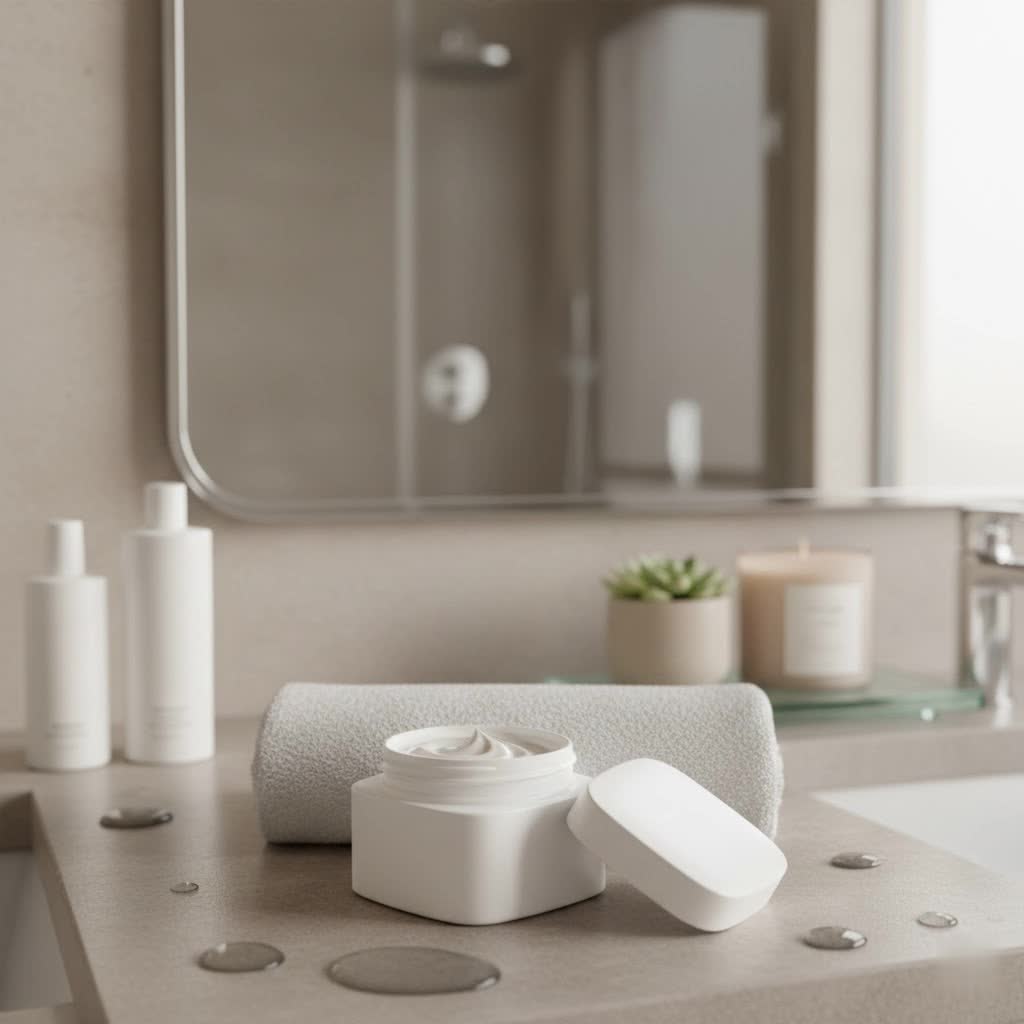
In the vast world of skincare, few products offer the immediate gratification and profound benefits of a hydrating face mask. These specialized treatments are designed to infuse your skin with a concentrated dose of moisture, leaving it feeling soft, supple, and revitalized. More than just a temporary fix, a high-quality hydrating face mask can be a cornerstone of a robust skincare routine, addressing issues from dullness and dryness to fine lines and compromised skin barriers.
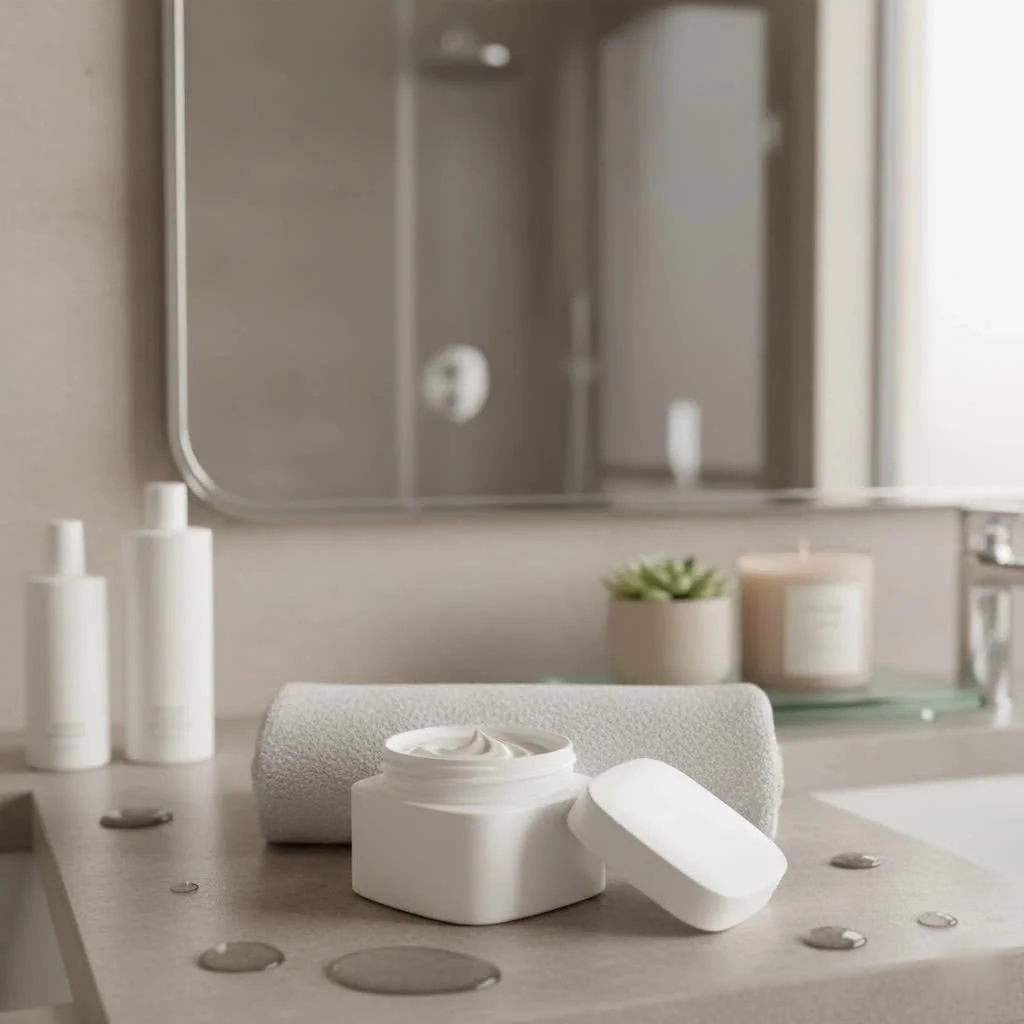
For years, skincare enthusiasts have recognized the power of deep hydration. While daily moisturizers provide essential maintenance, hydrating masks act as an intensive booster, delivering active ingredients that penetrate deeper layers of the skin to restore its natural balance and glow. Modern formulations, often developed with advanced Korean skincare innovations, have revolutionized these masks, offering a wide array of textures and application methods to suit every skin type and concern.
What is a Hydrating Face Mask?
At its core, a hydrating face mask is a topical skincare product specifically formulated to increase your skin’s water content. Unlike masks focused on cleansing or exfoliation, which aim to remove impurities or dead skin cells, hydrating masks prioritize moisture retention and delivery. They work by creating a temporary barrier on the skin’s surface, allowing key ingredients to absorb more effectively and preventing transepidermal water loss (TEWL) – the natural process where moisture evaporates from your skin.
This intensive hydration helps to plump up skin cells, smooth out the appearance of fine lines, and give the complexion a dewy, youthful look. While daily moisturizers provide a consistent level of hydration and protection, a hydrating mask delivers an amplified surge of beneficial ingredients, often at higher concentrations, for a more profound and immediate impact.
Why Your Skin Needs a Hydrating Face Mask
Incorporating a hydrating face mask into your skincare regimen can offer a multitude of benefits that extend beyond simple moisturization.
- Deep Moisturization: Hydrating masks penetrate the deeper layers of the epidermis, delivering essential moisture where it’s most needed. This intensive treatment helps alleviate dryness and significantly improves skin texture, making it feel softer and smoother.
- Strengthening the Skin Barrier: A healthy skin barrier is crucial for protecting your skin from environmental aggressors and preventing moisture loss. Regular use of hydrating masks helps reinforce this vital barrier, making your skin more resilient and effective at retaining hydration.
- Soothing and Calming Benefits: For individuals with sensitive or irritated skin, hydrating masks often contain calming ingredients that can reduce redness and inflammation, providing much-needed relief and comfort.
- Improving Skin Elasticity and Reducing Fine Lines: Well-hydrated skin is inherently more elastic and less prone to developing fine lines and wrinkles. By boosting the skin’s moisture levels, these masks contribute to a plumper, more youthful appearance.
- Achieving a Radiant Glow: By replenishing moisture and improving overall skin health, hydrating masks can transform a dull, lackluster complexion into one that radiates health and vitality, offering an immediate glow and a refreshed look.
Key Ingredients Found in Hydrating Face Masks
The efficacy of a hydrating face mask largely depends on its powerhouse ingredients, each playing a crucial role in attracting, retaining, and sealing moisture into the skin.
- Humectants: These ingredients are superstars at drawing water into the skin from the deeper layers and even the surrounding environment.
- Hyaluronic Acid (HA) & Hydrolyzed Sodium Hyaluronate: A widely celebrated humectant, hyaluronic acid can hold up to 1,000 times its weight in water, providing intense plumping and hydration. Hydrolyzed sodium hyaluronate is a smaller molecular derivative that penetrates the skin more easily.
- Glycerin: A common and highly effective humectant that helps to attract and lock in moisture.
- Sodium PCA & Betaine: Naturally occurring humectants that support the skin’s natural moisturizing factor (NMF) and help maintain water balance.
- Emollients: These ingredients work to soften and smooth the skin by filling in the gaps between skin cells, creating a smoother texture.
- Ceramides: Essential lipids that make up a significant portion of the skin barrier, ceramides help to repair and strengthen the barrier, preventing water loss and protecting against external stressors.
- Squalane: A lightweight emollient that mimics the skin’s natural oils, sealing in hydration without feeling greasy.
- Natural Oils & Lipids: Ingredients like shea butter or skin-identical lipids provide rich nourishment and help to reinforce the lipid barrier.
- Soothing & Nourishing Botanicals: Many masks incorporate plant-derived ingredients known for their calming and healing properties.
- Aloe Vera: Rich in polysaccharides and amino acids, aloe vera deeply hydrates while calming inflammation.
- Green Tea Extract: A potent antioxidant that helps protect the skin from environmental damage and can soothe irritation.
- Chamomile & Cica (Centella Asiatica): Known for their anti-inflammatory properties, these extracts help to calm redness and promote skin repair.
- Honey: A natural humectant with antibacterial properties, honey supports the skin’s microbiome and attracts moisture.
- Vitamins:
- Vitamin B3 (Niacinamide): Improves skin elasticity, reduces redness, and strengthens the skin barrier.
- Vitamin B5 (Panthenol): A powerful humectant that deeply hydrates and soothes the skin.
- Vitamin C & E: Antioxidants that protect skin from free radical damage and contribute to a brighter, healthier complexion.
Types of Hydrating Face Masks
The world of hydrating face masks offers a diverse range of formats, each with its unique application and benefits. Choosing the right type often comes down to personal preference, skin type, and lifestyle.
- Sheet Masks: Arguably the most popular type, sheet masks are pre-cut masks made from materials like biocellulose, hydrogel, or cotton, saturated in a serum rich with hydrating ingredients. They provide an instant boost of moisture, are easy to use, and suitable for most skin types. The sheet acts as an occlusive layer, pushing the serum deeper into the skin.
- Cream Masks: These masks feature a thick, creamy texture, often rich in oils, emollients, and humectants. Cream masks are excellent for very dry or dehydrated skin, providing deep, lasting hydration. They are typically applied, left on for a set period, and then rinsed off.
- Gel Masks: Lightweight and often cooling, gel masks are a refreshing option, particularly favored by those with oily, combination, or sensitive skin. They provide effective hydration without leaving a greasy residue, absorbing quickly into the skin.
- Sleeping/Overnight Masks: Designed to be left on throughout the night, these masks work while you sleep, providing prolonged hydration and allowing active ingredients more time to penetrate and repair the skin. They are perfect for deeply replenishing tired or extremely dry skin.
- Rinse-Off Masks: This is a broad category that includes many cream and gel masks. They are applied to the face, left on for a specified duration (usually 10-20 minutes), and then thoroughly rinsed off with lukewarm water.
- Hydrating Clay/Mud Masks: While many clay masks are known for their oil-absorbing and purifying properties, some are specifically formulated with hydrating ingredients to prevent excessive drying. Mud masks, often water-based, can be quite hydrating and are beneficial for dry, dehydrated, or dull skin, providing healing and moisturizing benefits.
How to Choose the Right Hydrating Face Mask for Your Skin
Selecting the perfect hydrating face mask involves understanding your skin’s unique needs and preferences.
- Identify Your Skin Type and Concerns:
- Dry Skin: Look for rich cream masks or overnight masks packed with ceramides, squalane, shea butter, and hyaluronic acid for deep nourishment.
- Oily or Combination Skin: Opt for lightweight gel masks or hydrating sheet masks with hyaluronic acid, glycerin, and soothing botanicals. Some hydrating clay masks can also help balance oil without stripping moisture.
- Sensitive Skin: Choose masks with gentle, calming ingredients like aloe vera, chamomile, and cica. Avoid masks with strong fragrances or harsh chemicals.
- Dehydrated Skin: All skin types can experience dehydration. Focus on masks with strong humectants like hyaluronic acid and glycerin.
- Review the Ingredient List: Always scrutinize the ingredients. Prioritize masks with humectants, emollients, and soothing agents. Be mindful of potential irritants if you have sensitive skin.
- Check Product Information: Look for details on how to use the mask, recommended frequency, and any specific claims. While not all products will list official certifications, reputable brands often provide clear information about their ingredients and testing.
- Consider the Format: Do you prefer the convenience of a sheet mask, the luxurious feel of a cream mask, or the overnight efficacy of a sleeping mask? Your lifestyle and how much time you dedicate to your routine will influence your ideal choice.
- Patch Test: Before applying any new mask to your entire face, perform a patch test on a small, inconspicuous area of skin (like behind your ear or on your inner forearm) to check for any adverse reactions.
Step-by-Step Guide: How to Effectively Use a Hydrating Face Mask
To maximize the benefits of your hydrating face mask, proper application is key.
- Cleanse Your Skin: Always start with a clean canvas. Use a gentle cleanser to remove makeup, dirt, and impurities. This allows the mask’s active ingredients to penetrate the skin more effectively.
- Prepare Your Skin (Optional but Recommended): Some experts suggest a mild exfoliation before a hydrating mask to remove dead skin cells and enhance absorption. You can also apply a toner to balance your skin’s pH.
- Apply the Mask Evenly:
- For Cream/Gel Masks: Use clean fingers or a silicone brush to spread a generous, even layer over your face, carefully avoiding the eye and lip areas unless the product is specifically designed for them.
- For Sheet Masks: Carefully unfold the mask and align it with your facial contours, ensuring cutouts for eyes, nose, and mouth are correctly placed. Gently smooth it out to ensure maximum contact with your skin.
- Relax and Wait: Leave the mask on for the recommended duration, typically 10 to 20 minutes for rinse-off and sheet masks, or overnight for sleeping masks. Use this time to relax and allow the ingredients to work their magic. Avoid leaving masks on significantly longer than directed, as some can dry out or even draw moisture from your skin if overused.
- Remove the Mask Properly:
- For Rinse-Off Masks: Use lukewarm water and soft, circular motions to gently remove the mask. Pat your skin dry with a clean towel.
- For Sheet Masks: Gently peel off the mask and pat any remaining serum into your face, neck, and décolletage until absorbed.
- For Overnight Masks: Simply leave it on and rinse your face in the morning.
- Follow Up with Moisturizer: This crucial step helps to seal in the hydration and all the beneficial ingredients from the mask. Apply your regular serum and moisturizer immediately after removing the mask to lock in the moisture and prolong its effects.
- Frequency of Use: For most skin types, using a hydrating face mask 1-3 times per week is ideal. Listen to your skin’s needs and adjust the frequency as necessary. Overuse, especially with certain formulas, can potentially disrupt the skin barrier.
Expert Insights on Hydrating Face Masks
“Hydrating masks aren’t just about instant gratification—they’re a strategic intervention to support the skin’s natural moisture balance,” says a leading skincare specialist with extensive experience. “When used consistently, they can significantly improve skin resilience and texture, making them an invaluable part of any comprehensive skincare routine.”
Conclusion
Hydrating face masks are more than just a luxurious treat; they are a powerful tool in your quest for healthy, radiant skin. By delivering concentrated moisture and active ingredients, these masks can deeply nourish, repair, and revitalize your complexion. Whether you’re combating seasonal dryness, soothing sensitivity, or simply aiming for that coveted dewy glow, there’s a hydrating mask designed to meet your needs. By understanding the types, key ingredients, and proper application techniques, you empower yourself to make informed choices that truly transform your skin. Embrace the ritual of masking, and discover the lasting benefits of a deeply hydrated, healthy-looking complexion.
What specific hydration concerns are you hoping to address with your next face mask?
Frequently Asked Questions
How often should I use a hydrating face mask?
|
Our Picks for the Best Face Mask in 2026
As an Amazon Associate I earn from qualifying purchases.
|
||
| Num | Product | Action |
|---|---|---|
| 1 | LEVENIS KN95 Face Masks 50 Pack, Breathable Comfortable and Disposable KN95 Mask, Black |

|
| 2 | LEMENT 50pcs KN95 Face Mask Black 5 Layer Cup Dust Safety Masks Filter Efficiency≥95% Breathable Elastic Ear Loops Black Masks |
|
| 3 | 100 PCS Disposable Face Masks, Black Disposable Masks, 3 Ply Protection Face Masks |
|
| 4 | Achiou Ski Mask for Men Women, Balaclava Face Cover, Shiesty Mask UV Protector Lightweight for Motorcycle Snowboard |
|
| 5 | NNPCBT Blue Disposable Face Masks 100 Pack,3-Ply Breathable Mask For Adults,Great For Outdoors,Home, Office, School |
|
| 6 | BIODANCE Refreshing Sea kelp Real Deep Mask, Overnight Hydrogel Mask, Calming, Oil & Sebum Control, Blemish Care, Korean Skin Care, Valentines Day Gifts for Her - 1.19oz(34g) x 4ea |
|
| 7 | Bio-Collagen Real Deep Mask – Low Molecular Collagen, Hyaluronic Acid & Galactomyces Probiotics – Hydrating, Pore-Minimizing & Firming Facial Sheet Mask – 5 Pack |
|
| 8 | NNPCBT 100PCS 3 Ply Black Disposable Face Mask Filter Protection Face Masks |
|
| 9 | 14 Pack Sheet Face Masks Skincare, Hydrating Face Masks Suitable for Dry Skin, Bulk Facial Mask Set for Women Skin Care, Face Mask Gifts Set for Face Spa |
|
| 10 | MAREE Collagen Facial Mask with Hyaluronic Acid — Sheet Face Mask Skincare — Centella Asiatica, Green & Red Algae Extract — Hydrating Facemask For Women Skin Care — Mascarillas Para La Cara — 6 Count |
|
For most skin types, applying a hydrating face mask 1-3 times per week is generally recommended. Overuse can potentially disrupt the skin barrier, especially if the mask contains active exfoliating ingredients. Always refer to the specific product instructions and observe how your skin responds to determine the ideal frequency for you.
Can oily skin benefit from hydrating masks?
Absolutely! Oily skin can still be dehydrated, leading to increased oil production as the skin tries to compensate for lack of moisture. Lightweight gel or sheet hydrating masks can provide essential water content without adding excess oil, helping to balance the skin and prevent further breakouts.
What’s the difference between hydrating and moisturizing?
Hydration refers to increasing the water content within the skin cells, making them plump and supple. Hydrating ingredients, or humectants, attract water. Moisturizing, on the other hand, involves creating a barrier on the skin’s surface to prevent existing moisture from escaping. Moisturizing ingredients, or emollients and occlusives, help to seal in hydration. Hydrating masks primarily focus on adding water, while a follow-up moisturizer locks it in.
Should I wash my face after a sheet mask?
For most sheet masks, it is not necessary to rinse your face after use. The remaining serum is typically meant to be gently patted into the skin until fully absorbed. Following this, you should apply a moisturizer to seal in the benefits. However, always check the specific instructions on your mask’s packaging, as some rare formulations may recommend rinsing.
Build a cleanser routine that actually works
Practical specs, not advice. Unsubscribe anytime.
