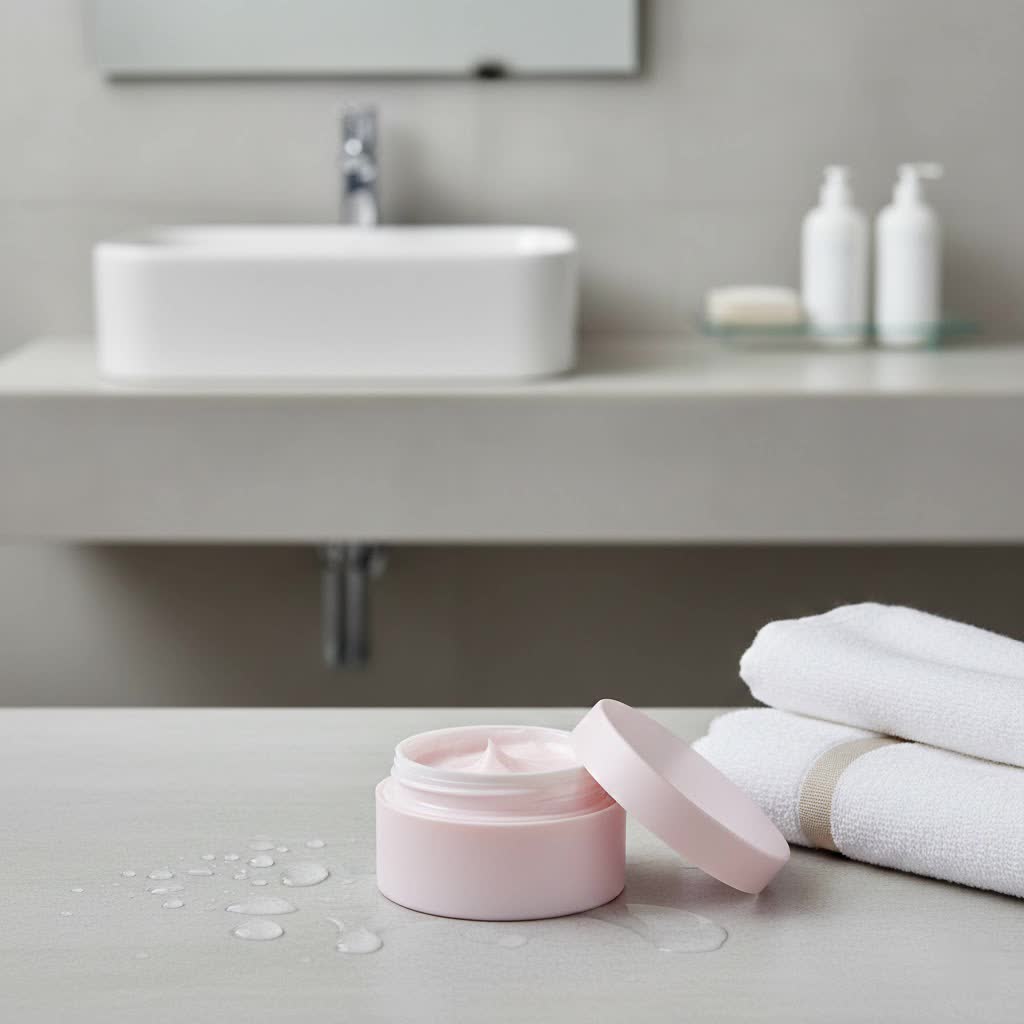
Blackheads can feel like unwelcome guests on your skin, stubbornly clinging to your pores and dulling your complexion. These common skin concerns, medically known as open comedones, form when hair follicles become clogged with a mix of excess oil, dead skin cells, and debris. Exposed to air, this trapped material oxidizes, giving blackheads their characteristic dark appearance. Fortunately, a well-chosen face mask can be a powerful ally in your quest for clearer, smoother skin.
What is a Face Mask for Blackheads?
A face mask specifically designed for blackheads is a topical skincare product formulated to deeply cleanse pores by targeting and removing the accumulated sebum, dead skin, and impurities. Unlike general hydrating or soothing masks, these treatments often contain active ingredients that work to either absorb excess oil, chemically exfoliate dead skin cells, or physically extract debris, promoting a visibly clearer complexion. The history of using masks for skin purification stretches back centuries, with ancient civilizations employing natural clays and muds for their detoxifying properties. Modern advancements have refined these traditions, offering targeted solutions for specific concerns like blackheads.
Popular Types of Face Masks for Blackheads
Understanding the different types of masks available can help you choose the most effective treatment for your skin.
Clay Masks
Clay masks are perhaps the most classic option for combating blackheads, celebrated for their deep cleansing and oil-absorbing capabilities.
- Composition and Action: Often featuring bentonite or kaolin clay, these masks act like magnets, drawing out excess sebum, dirt, and impurities from deep within the pores. Kaolin clay is known for its gentler action, suitable for sensitive skin, while bentonite clay offers a more potent draw, ideal for very oily skin.
- Pros: Highly effective at absorbing oil, detoxifying, and reducing the appearance of enlarged pores. They leave skin feeling clean and refreshed.
- Cons: Can be drying if left on too long, especially for drier skin types.
- When to Use: Best for oily and combination skin types. Use 1-2 times per week.
Charcoal Masks
Activated charcoal masks have gained immense popularity for their purifying prowess.
- Composition and Action: Activated charcoal possesses a highly porous structure that allows it to effectively bind to dirt, toxins, and pollutants, drawing them out of the skin.
- Pros: Excellent for deep detoxification, absorbing excess oil, and unclogging pores.
- Cons: Some peel-off charcoal masks can be overly harsh and cause irritation or micro-tears, especially if not applied and removed carefully.
- When to Use: Suitable for oily and congested skin. If using a peel-off, opt for gentle formulas and ensure proper application.
Exfoliating Masks (AHA/BHA)
These masks utilize chemical exfoliants to dissolve the bonds holding dead skin cells and clear out congested pores.
- Composition and Action:
- Beta-Hydroxy Acids (BHAs), primarily Salicylic Acid: Oil-soluble, salicylic acid penetrates deep into the pores to dissolve sebum and dead skin cells, making it highly effective for blackheads.
- Alpha-Hydroxy Acids (AHAs), such as Lactic Acid and Glycolic Acid: Water-soluble, AHAs work on the skin’s surface to exfoliate dead cells, improving texture and promoting cell turnover.
- Enzymes (e.g., Papaya, Pineapple): Gentler exfoliants that break down dead skin cells without harsh scrubbing.
- Pros: Effectively clear clogs, improve skin texture, and prevent future blackheads. Often gentler than physical scrubs.
- Cons: Can cause sensitivity, redness, or dryness if overused. Sun protection is crucial when using AHAs/BHAs.
- When to Use: Good for most skin types, including acne-prone. Start with less frequent use (once a week) and observe skin’s reaction.
Fizzing Masks
A more recent innovation, fizzing masks offer a unique sensation and targeted action.
- Composition and Action: These masks often contain ingredients like sulfur and kaolin clay, which react upon application to create a gentle fizzing action. This helps to open pores and allow the active ingredients to penetrate more effectively.
- Pros: Can be highly effective at clearing out pores and reducing oiliness. The fizzing sensation can be an enjoyable part of the masking experience.
- Cons: The tingling sensation might be too intense for very sensitive skin.
- When to Use: Ideal for stubborn blackheads and congested skin, particularly in the T-zone.
Peel-Off Masks
Peel-off masks are designed to adhere to the skin and physically lift away impurities, including some blackheads, upon removal.
- Composition and Action: Typically polymer-based, these masks dry into a film that is then peeled off. While satisfying to remove, their effectiveness and safety vary widely.
- Pros: Provide an immediate sense of cleanliness and can remove surface debris.
- Cons: Can be harsh, potentially stripping healthy skin cells, causing irritation, or even micro-tears. Dermatologists often recommend caution with these.
- When to Use: If you choose a peel-off mask, select one specifically formulated for unclogging pores with gentle ingredients and use it sparingly.
Comparison Table: Face Masks for Blackheads
|
Our Picks for the Best Face Mask in 2026
As an Amazon Associate I earn from qualifying purchases.
|
||
| Num | Product | Action |
|---|---|---|
| 1 | Bio-Collagen Real Deep Mask – Low Molecular Collagen, Hyaluronic Acid & Galactomyces Probiotics – Hydrating, Pore-Minimizing & Firming Facial Sheet Mask – 5 Pack |

|
| 2 | 14 Pack Sheet Face Masks Skincare, Hydrating Face Masks Suitable for Dry Skin, Bulk Facial Mask Set for Women Skin Care, Face Mask Gifts Set for Face Spa |
|
| 3 | 100 PCS Disposable Face Masks, Black Disposable Masks, 3 Ply Protection Face Masks |
|
| 4 | Achiou Ski Mask for Men Women, Balaclava Face Cover, Shiesty Mask UV Protector Lightweight for Motorcycle Snowboard |
|
| 5 | MAREE Collagen Facial Mask with Hyaluronic Acid — Sheet Face Mask Skincare — Centella Asiatica, Green & Red Algae Extract — Hydrating Facemask For Women Skin Care — Mascarillas Para La Cara — 6 Count |
|
| 6 | NNPCBT Blue Disposable Face Masks 100 Pack,3-Ply Breathable Mask For Adults,Great For Outdoors,Home, Office, School |
|
| 7 | LEMENT 50pcs KN95 Face Mask Black 5 Layer Cup Dust Safety Masks Filter Efficiency≥95% Breathable Elastic Ear Loops Black Masks |
|
| 8 | BIODANCE Refreshing Sea kelp Real Deep Mask, Overnight Hydrogel Mask, Calming, Oil & Sebum Control, Blemish Care, Korean Skin Care, Valentines Day Gifts for Her - 1.19oz(34g) x 4ea |
|
| 9 | NNPCBT 100PCS 3 Ply Black Disposable Face Mask Filter Protection Face Masks |
|
| 10 | LEVENIS KN95 Face Masks 50 Pack, Breathable Comfortable and Disposable KN95 Mask, Black |
|
| Mask Type | Primary Action | Key Ingredients | Best For | Pros | Cons |
|---|---|---|---|---|---|
| Clay Masks | Absorb excess oil, draw out impurities | Kaolin, Bentonite | Oily, combination, congested skin | Deeply cleansing, oil-absorbing | Can be drying if overused |
| Charcoal Masks | Adsorb dirt, toxins, oil | Activated Charcoal | Oily, congested skin | Excellent detoxification, pore purification | Some peel-offs can be irritating |
| Exfoliating Masks | Dissolve dead skin cells, clear clogs | Salicylic Acid (BHA), AHAs (Lactic, Glycolic), Enzymes | Most skin types, acne-prone, dull skin | Improve texture, prevent future blackheads | Can cause sensitivity; requires sun protection |
| Fizzing Masks | Open pores, deliver active ingredients | Sulfur, Kaolin Clay | Stubborn blackheads, oily T-zone | Targeted action, unique sensation | May be too tingly for very sensitive skin |
| Peel-Off Masks | Physically lift impurities | Polymers, sometimes charcoal or clay | Quick surface clean (use with caution) | Immediate gratification | Can cause irritation, micro-tears; may remove healthy skin |
How to Choose the Right Face Mask for Blackheads
Selecting the perfect mask involves understanding your skin’s unique needs and the specific properties of different products.
- Identify Your Skin Type and Concerns:
- Oily/Combination Skin: Look for clay (bentonite, kaolin) or charcoal masks, or those with salicylic acid to control oil and deep cleanse.
- Sensitive/Dry Skin: Opt for gentler kaolin clay masks, enzyme masks, or those with soothing ingredients like aloe vera or honey. Avoid harsh peel-offs or high concentrations of AHAs/BHAs.
- Acne-Prone Skin: Salicylic acid, sulfur, and charcoal are excellent choices to target both blackheads and breakouts.
- Look for Key Ingredients:
- Salicylic Acid (BHA): Penetrates oil to dissolve clogs.
- Kaolin & Bentonite Clays: Absorb excess oil and draw out impurities.
- Activated Charcoal: Acts like a magnet for dirt and toxins.
- Sulfur: Aids in clearing pores and reducing oil.
- AHAs (Lactic Acid, Glycolic Acid): Exfoliate the skin’s surface for smoother texture.
- Niacinamide (Vitamin B3): Helps regulate oil production and minimize pore appearance.
- Aloe Vera, Honey, Glycerin: Soothing and hydrating agents, especially important for preventing dryness.
- Check Product Information: Always read ingredient lists, usage instructions, and potential warnings. Look for reputable brands and products with positive reviews.
- Consider Application Method: Do you prefer a wash-off mask, a gentle peel-off, or something that fizzes? Your preference can impact consistency of use.
- Patch Test: Before applying any new mask to your entire face, perform a patch test on a small, inconspicuous area of skin to check for any adverse reactions.
Top Face Masks for Blackheads
Based on expert recommendations and effective ingredients, several masks stand out for their ability to tackle blackheads.
- Kiehl’s Rare Earth Deep Pore Minimizing Cleansing Clay Mask: A classic clay mask featuring Amazonian white clay, known for its ability to draw out impurities and refine pores, making it ideal for oily and congested skin.
- Dermalogica Blackhead Clearing Fizz Mask: This innovative mask fizzes upon application, helping to open pores and deliver a blend of sulfur and kaolin clay to clear blackheads effectively without stripping the skin.
- The Ordinary Salicylic Acid 2% Masque: An affordable yet potent option, this masque uses 2% salicylic acid to deeply exfoliate and target blackheads, leaving skin smoother.
- Neutrogena Clear Pore Cleanser/Mask: A versatile 2-in-1 product with kaolin and bentonite clays that can be used as a daily cleanser or a mask to help clear blackheads and control oil.
- Aztec Secret Indian Healing Clay: A pure calcium bentonite clay that, when mixed with apple cider vinegar, provides a powerful deep cleanse, drawing out impurities and tightening the skin.
- Caudalie Instant Detox Mask: Formulated with pink clay and grape extract, this mask clarifies, reduces sebum, and helps shrink the appearance of pores for a refined complexion.
- Innisfree Volcanic AHA Pore Clearing Clay Mask: Combines volcanic ash clusters with AHA to gently exfoliate, absorb excess oil, and reduce the appearance of blackheads.
How to Use and Care for Your Face Mask Correctly
To maximize the benefits of your blackhead mask and avoid irritation, proper usage is key.
- Cleanse Your Face: Start with a clean face. Use a gentle cleanser to remove makeup, dirt, and surface oil.
- Optional: Steam: For an enhanced effect, gently steam your face for a few minutes (e.g., with a warm, damp towel) to help soften the skin and slightly open pores, preparing them for deep cleansing. This is particularly beneficial before applying clay or charcoal masks.
- Apply the Mask Evenly: Apply a thin, even layer of the mask to your face, focusing on areas prone to blackheads like the T-zone (forehead, nose, chin). Avoid the delicate eye and lip areas.
- Adhere to Recommended Time: Leave the mask on for the duration specified in the product instructions (typically 10-20 minutes). Leaving masks on for too long can lead to dryness or irritation, especially with clay or acid-based formulas.
- Rinse Off Gently: For wash-off masks, use lukewarm water to gently rinse the mask off completely. Avoid harsh scrubbing. For peel-off masks, slowly and carefully peel from the outer edges inwards.
- Follow with Hydration: After rinsing, apply a hydrating toner, serum (like hyaluronic acid), and a moisturizer to replenish moisture and soothe your skin. This helps maintain the skin’s barrier and prevents over-drying.
- Frequency: Most blackhead masks should be used 1-2 times per week. Overuse, particularly of exfoliating or strong clay masks, can disrupt your skin’s natural balance and lead to sensitivity.
Conclusion
Tackling blackheads requires a consistent and informed approach, and face masks can be an indispensable part of your skincare arsenal. By understanding what blackheads are, the science behind how different masks work, and which key ingredients to look for, you can make empowered choices for your skin. Whether you opt for the purifying power of clay, the deep detoxification of charcoal, or the gentle exfoliation of acids, incorporating the right face mask into your routine can significantly improve skin clarity and prevent future congestion. Remember to listen to your skin, apply masks correctly, and always follow up with proper hydration for a balanced, radiant complexion. What kind of mask will you try next on your journey to clearer skin?
Build a cleanser routine that actually works
Practical specs, not advice. Unsubscribe anytime.
