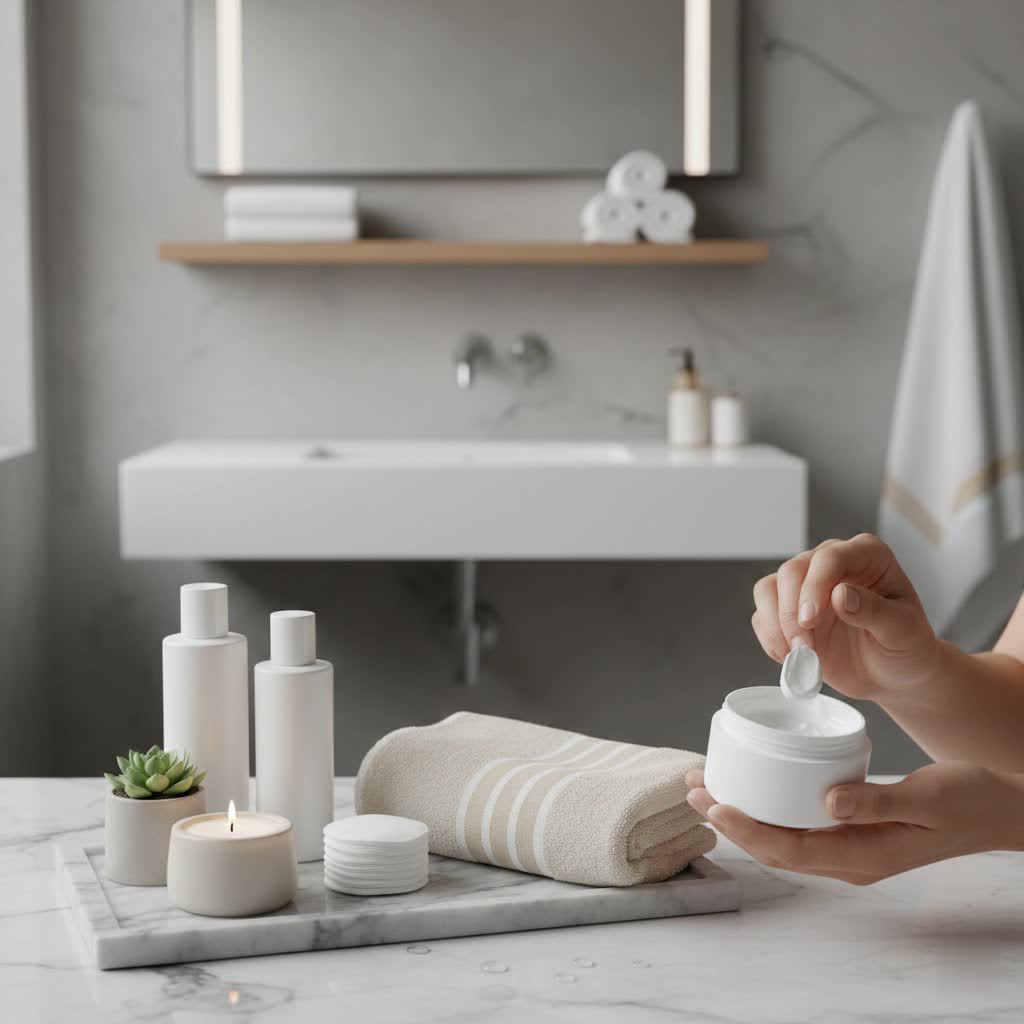
Are you tired of messy hands and uneven mask applications that leave your skin feeling less than perfectly pampered? Many skincare enthusiasts know the struggle of trying to spread a rich clay or hydrating gel mask smoothly across their face using just their fingertips. But what if there was a simple tool that could transform your masking routine from a haphazard chore into a luxurious, spa-like experience? Enter the face mask brush—a game-changer for achieving flawless application, enhanced hygiene, and optimal product benefits.
What is a Face Mask Brush?
A face mask brush is a specialized tool designed specifically for applying facial masks and other skincare products with precision and ease. Unlike standard makeup brushes, these applicators are crafted to handle the unique textures of various masks, from thick clays to silky gels. Once a secret weapon of professional estheticians in high-end spas, face mask brushes have become an increasingly popular staple in at-home skincare routines, allowing everyone to achieve salon-quality results.
The primary function of a face mask brush is to facilitate the even distribution of product across your skin. By creating a smooth, uniform layer, these brushes ensure that every part of your face receives the active ingredients it needs, leading to more consistent and effective results from your chosen mask. Beyond mere application, these tools promote a cleaner, more enjoyable masking ritual that truly elevates your self-care moments.
Why Use a Face Mask Brush? The Benefits Unveiled
Integrating a face mask brush into your regimen offers a multitude of advantages that go beyond just a cleaner application.
Enhanced Hygiene and Product Longevity
One of the most compelling reasons to use a face mask brush is improved hygiene. Each time you dip your fingers into a jar of face mask, you risk transferring bacteria, oils, and other contaminants from your hands directly into the product. This can not only introduce unwanted microbes to your skin, potentially leading to breakouts, but also compromise the integrity and shelf life of your expensive skincare products. A dedicated face mask brush, especially one made from non-porous materials like silicone or high-quality synthetic bristles, acts as a barrier, keeping your mask product pristine and extending its freshness.
Flawless and Even Application
Have you ever noticed patches where your mask dries unevenly or areas that seem to have too much or too little product? Applying a face mask with your fingers often results in an inconsistent layer. A face mask brush allows for precise and smooth distribution, ensuring that your mask covers every contour of your face—from the broader areas of your cheeks and forehead to the tricky spots around your nose and jawline. This uniform coverage is crucial for the mask’s active ingredients to work effectively, providing maximum benefits to your skin.
Reduced Product Waste and Mess-Free Experience
|
Our Picks for the Best Face Mask in 2026
As an Amazon Associate I earn from qualifying purchases.
|
||
| Num | Product | Action |
|---|---|---|
| 1 | BIODANCE Refreshing Sea kelp Real Deep Mask, Overnight Hydrogel Mask, Calming, Oil & Sebum Control, Blemish Care, Korean Skin Care, Valentines Day Gifts for Her - 1.19oz(34g) x 4ea |

|
| 2 | 100 PCS Disposable Face Masks, Black Disposable Masks, 3 Ply Protection Face Masks |
|
| 3 | LEMENT 50pcs KN95 Face Mask Black 5 Layer Cup Dust Safety Masks Filter Efficiency≥95% Breathable Elastic Ear Loops Black Masks |
|
| 4 | Bio-Collagen Real Deep Mask – Low Molecular Collagen, Hyaluronic Acid & Galactomyces Probiotics – Hydrating, Pore-Minimizing & Firming Facial Sheet Mask – 5 Pack |
|
| 5 | NNPCBT Blue Disposable Face Masks 100 Pack,3-Ply Breathable Mask For Adults,Great For Outdoors,Home, Office, School |
|
| 6 | MAREE Collagen Facial Mask with Hyaluronic Acid — Sheet Face Mask Skincare — Centella Asiatica, Green & Red Algae Extract — Hydrating Facemask For Women Skin Care — Mascarillas Para La Cara — 6 Count |
|
| 7 | 14 Pack Sheet Face Masks Skincare, Hydrating Face Masks Suitable for Dry Skin, Bulk Facial Mask Set for Women Skin Care, Face Mask Gifts Set for Face Spa |
|
| 8 | Achiou Ski Mask for Men Women, Balaclava Face Cover, Shiesty Mask UV Protector Lightweight for Motorcycle Snowboard |
|
| 9 | NNPCBT 100PCS 3 Ply Black Disposable Face Mask Filter Protection Face Masks |
|
| 10 | LEVENIS KN95 Face Masks 50 Pack, Breathable Comfortable and Disposable KN95 Mask, Black |
|
We all want to get the most out of our skincare investments. When applying masks with fingers, it’s easy to use too much product or have it get absorbed by your hands. A face mask brush gives you greater control over the amount of product you use, enabling you to apply thin, yet effective, layers. This minimizes waste, making your masks last longer. Furthermore, brushes make the application process considerably less messy, saving your fingernails from stubborn clay residues and keeping your bathroom sink cleaner.
A Spa-Like Indulgence at Home
Beyond the practical benefits, using a face mask brush transforms your routine into a more luxurious and mindful experience. The cool, smooth glide of a silicone applicator or the soft touch of synthetic bristles can feel incredibly soothing and pampering, mimicking the professional touch of an esthetician. This small ritual encourages you to slow down, relax, and fully immerse yourself in your self-care session, turning a simple mask into a true indulgence.
Exploring the Types of Face Mask Brushes
The market offers a variety of face mask brushes, each with unique characteristics suited for different mask textures and application preferences. Understanding these types can help you choose the best tool for your skincare arsenal.
Silicone Applicators
Silicone face mask brushes, often resembling spatulas or flat paddles, are arguably the most popular type today. Their non-porous surface makes them exceptionally hygienic and incredibly easy to clean. They don’t absorb product, ensuring minimal waste and making them ideal for thick, creamy, clay, or mud masks that might otherwise get trapped in bristles.
- Pros: Highly hygienic, very easy to clean (just rinse and wipe), durable, non-absorbent (reduces product waste), suitable for all skin types, great for spreading thick formulas evenly.
- Cons: Can be less flexible for deep facial contours, some users find them less precise for delicate areas compared to bristled brushes.
- Best for: Clay masks, mud masks, cream masks, peel-off masks.
Synthetic Bristle Brushes
Traditional bristle brushes, often made from high-quality synthetic fibers like Taklon or nylon, offer a different application experience. These brushes often feature soft, dense bristles that can create a smooth, streak-free finish and provide a more luxurious, “painting” sensation.
- Pros: Excellent for smooth, even coverage, can offer greater precision, provide a gentle massage-like feel, can be versatile for various mask consistencies.
- Cons: Can absorb some product (leading to more waste), require more thorough cleaning to prevent bacteria buildup, not ideal for extremely thick or sticky masks.
- Best for: Cream masks, gel masks, hydrating masks, some exfoliating masks. Fan brushes, a type of synthetic bristle brush, are also great for a light, even application and a gentle, sweeping feel.
Dual-Ended Tools
For those seeking ultimate versatility, dual-ended face mask tools combine the best of both worlds. These typically feature a silicone spatula on one end for scooping and broad application, and a smaller, often angled or textured brush on the other for precision, massage, or even mask removal.
- Pros: Highly versatile, multi-functional, saves space, caters to different application needs.
- Cons: Can sometimes be less specialized than single-purpose tools.
- Best for: Multi-masking, travel, or those who use a variety of mask types.
Face Mask Brush vs. Fingers: A Clear Comparison
When it comes to applying face masks, the age-old question remains: is it better to use your fingers or a dedicated brush? Let’s break down the key differences to help you make an informed choice.
| Feature | Applying with Fingers | Applying with a Face Mask Brush |
|---|---|---|
| Hygiene | High risk of bacterial transfer from hands to product and face; can contaminate jar. | Significantly reduces bacterial transfer; keeps product sanitary. |
| Application Quality | Often uneven, patchy, difficult to get into contours. | Smooth, even, precise coverage; ensures optimal product absorption. |
| Product Economy | More product absorbed by hands; higher risk of waste. | Minimizes waste; allows for thin, effective layers; extends product life. |
| Mess Factor | Messy, product can get under nails; requires immediate hand washing. | Cleaner, mess-free application; hands stay clean. |
| Experience | Convenient, but can feel unrefined; lacks a professional touch. | Luxurious, spa-like, calming; elevates the self-care ritual. |
While using your fingers is undoubtedly convenient, a face mask brush clearly offers superior hygiene, application quality, and overall experience, making it a worthwhile addition to your skincare routine.
How to Choose the Perfect Face Mask Brush
Selecting the right face mask brush involves considering your personal preferences, the types of masks you use, and certain material features.
Consider Your Mask Type
The consistency of your favorite masks should guide your choice.
- Clay and Mud Masks: These thick, often dense formulas are best applied with a silicone spatula. Its non-absorbent surface prevents product waste and allows for a smooth, even spread without the mask drying out prematurely on the brush itself.
- Cream and Gel Hydrating Masks: For these lighter, often more spreadable textures, a soft, flat synthetic bristle brush or a flexible silicone applicator can work wonderfully. Bristle brushes can offer a particularly pleasant, gentle feel.
- Exfoliating or Enzyme Masks: A kabuki-style brush with short, dense bristles can be effective for buffing in exfoliating masks, providing a gentle physical exfoliation while ensuring even distribution. Angled silicone tools are also good for targeted application.
- Peel-Off Masks: A flat synthetic brush with firm bristles or a silicone spatula helps apply a consistent, even thickness, which is crucial for a clean, satisfying peel-off later.
Material Matters
- Silicone: Opt for silicone if hygiene, easy cleaning, and durability are your top priorities. It’s also an excellent choice for sensitive skin due to its non-abrasive and hypoallergenic properties.
- Synthetic Bristles: Look for brushes with soft, dense synthetic fibers like Taklon or nylon. These are less likely to absorb product than natural animal hair bristles and are easier to clean. They offer a more traditional brush feel and can be great for a pampering sensation.
Shape and Design
Consider the brush’s tip and overall shape:
- Flat Paddle/Spatula: Ideal for broad, quick application across larger areas of the face.
- Angled Tip: Offers precision, perfect for navigating around the nose, eyes, and jawline, or for multi-masking.
- Tapered or Rounded: Can provide a softer application and help blend product seamlessly.
- Ergonomic Handle: A comfortable, non-slip handle is key for control and ease of use, especially when your hands might be a little slick from other skincare products.
Ease of Cleaning & Durability
Choose brushes made from materials that are easy to clean and built to last. Non-porous silicone or high-quality synthetic bristles are generally more durable and less prone to harboring bacteria when properly maintained. A brush that dries quickly after washing is also a big plus.
Mastering the Art of Application: How to Use Your Face Mask Brush Effectively
Once you’ve chosen your ideal face mask brush, proper technique will ensure you reap all its benefits.
- Preparation is Key: Start with a freshly cleansed face, free of makeup and impurities. Before each use, quickly wash your face mask brush with warm water and a mild soap, then gently pat it dry with a clean, lint-free towel. This ensures your tool is hygienic and ready for action.
- Scoop with Care: Dip your clean brush directly into your face mask product. For jarred masks, a silicone spatula end is perfect for cleanly scooping out the desired amount without contaminating the rest of the product.
- Apply with Precision: Begin applying the mask to the central panels of your face, like your forehead, nose, and chin, where you often need the most coverage. Use sweeping, upward motions to spread a thin, even layer across your skin. Work your way outwards towards your hairline and jawline, carefully avoiding delicate areas around your eyes and lips. For intricate areas or deep contours, an angled brush or the edge of a silicone spatula can provide greater control.
- Enjoy the Experience: Take a moment to appreciate the smooth, cool sensation as the mask glides onto your skin. This mindful application can enhance the overall relaxation of your masking session.
- Post-Application Care: Immediately after use, thoroughly rinse your face mask brush with warm water and a gentle soap until all traces of the mask are gone. Gently squeeze or press out any excess water from the bristles. Lay the brush flat on a clean towel or hang it upside down in a well-ventilated area to air dry completely before storing. This prevents bacterial growth and keeps your brush in optimal condition for its next use.
Following these steps will ensure a mess-free, hygienic, and incredibly effective face mask application every single time, making your skincare routine feel truly professional.
FAQ
Are face mask brushes really more hygienic than fingers?
Yes, absolutely. Using a face mask brush significantly reduces the transfer of bacteria, oils, and other contaminants from your hands into your mask product and onto your face. This helps keep your skincare products sanitary and can reduce the risk of breakouts or skin irritation.
Can I use one brush for all my face masks?
While some versatile brushes, particularly dual-ended silicone and synthetic options, can work well with various mask consistencies, it’s often beneficial to use different types for optimal results. For instance, a silicone spatula is excellent for thick clay masks, while a softer bristle brush might be preferred for creamy or gel formulas.
How often should I clean my face mask brush?
For optimal hygiene and to prolong the life of your brush, it’s best to clean it immediately after every use. A quick rinse with warm water and a mild soap followed by thorough drying is usually sufficient.
Are silicone applicators better than bristle brushes?
Neither is inherently “better”; they simply excel in different areas. Silicone applicators are highly hygienic, easy to clean, and excellent for thick, non-absorbent masks, minimizing product waste. Bristle brushes, especially synthetic ones, can offer a luxurious feel, precise application, and smooth spread for creamier textures. The best choice depends on your specific mask type and personal preference.
Can a dirty face mask brush cause breakouts?
Yes, using a dirty face mask brush can indeed contribute to breakouts. If not cleaned regularly, brushes can accumulate bacteria, dead skin cells, and product residue, which can then be transferred back onto your skin, potentially clogging pores and triggering inflammation. Always prioritize cleaning your tools.
Build a cleanser routine that actually works
Practical specs, not advice. Unsubscribe anytime.
