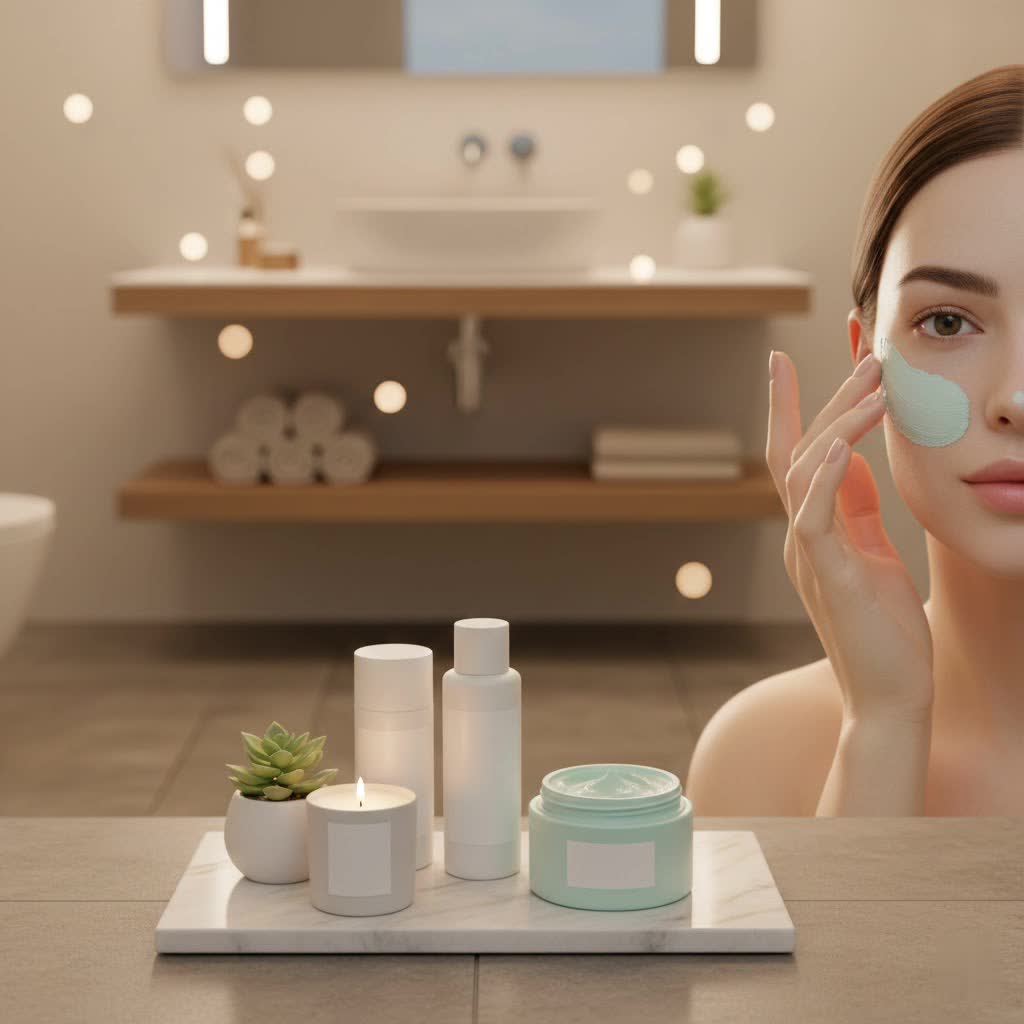
In the ever-evolving world of skincare, the desire for firmer, more youthful-looking skin remains a constant. While surgical facelifts offer dramatic results, many are seeking non-invasive alternatives to combat the visible signs of aging. This is where the innovative face lift mask steps in, offering a compelling solution for those looking to tighten, firm, and refine their facial contours right from the comfort of their home. If you’re curious about how these masks work, their benefits, and how to choose the perfect one for your skin, you’ve come to the right place.
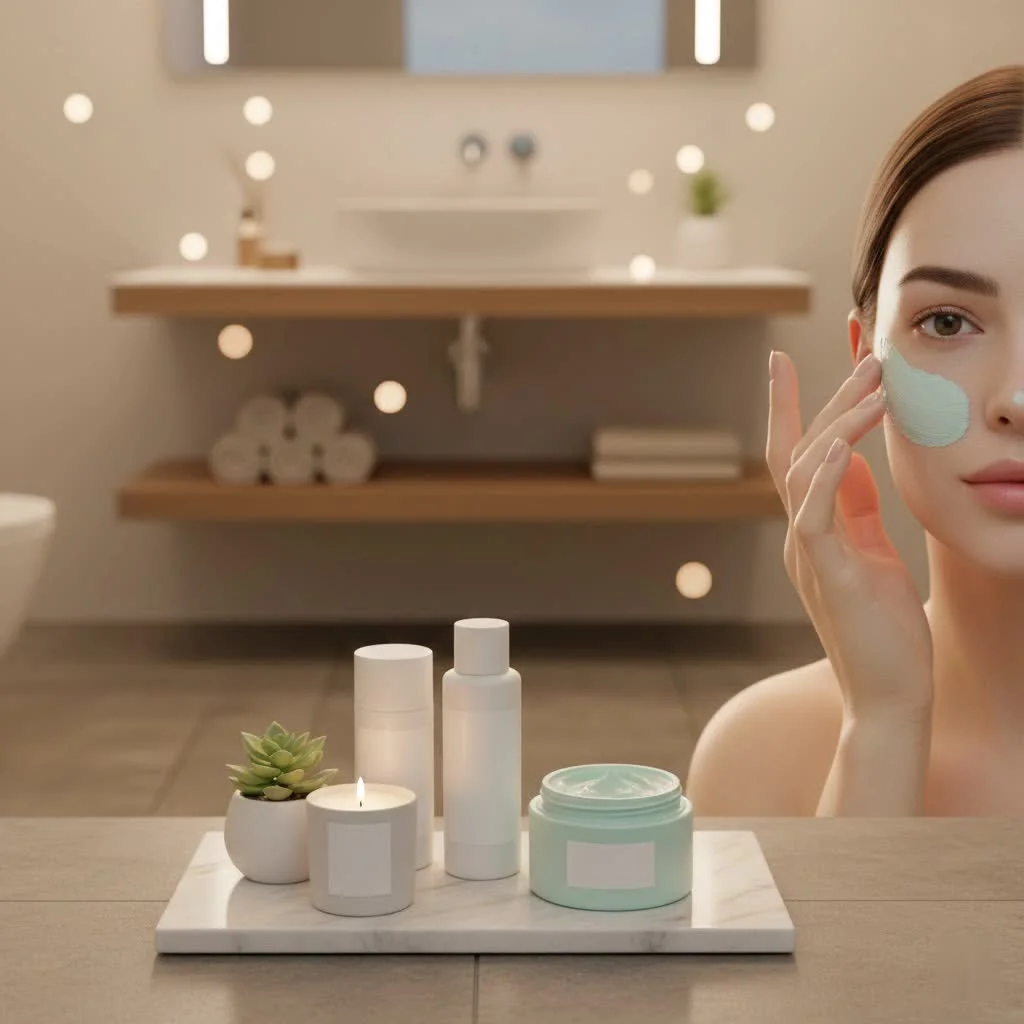
What Are Face Lift Masks?
Face lift masks are advanced topical skincare treatments specifically designed to provide an immediate tightening effect on the skin while also supporting long-term firmness and elasticity. Unlike traditional hydrating or brightening masks, lifting masks often target the structural components of the skin, such as collagen and elastin, which naturally diminish with age. These masks can range from gel- or cream-based formulas to innovative sheet masks and even devices utilizing microcurrent technology.
The concept of facial tightening has roots in ancient beauty practices, but modern science has revolutionized face mask technology. Today’s face lift masks work through two primary mechanisms:
- Physical Tension: Many masks, particularly peel-off or certain sheet masks, create a flexible polymer layer that contracts as it dries. This mechanical action physically pulls the epidermis taut, temporarily smoothing fine lines and lifting drooping areas. This effect, while immediate, is often short-lived. Some, like V-line masks, are designed as a hybrid of a sheet mask and a chin strap, using gentle compression to help define the lower face.
- Biochemical Signaling: The true long-term power of face lift masks lies in their active ingredients. These potent compounds penetrate the skin barrier to influence cellular behavior, promoting collagen production, improving hydration, and protecting against environmental damage.
Key Ingredients in Face Lift Masks
The effectiveness of a face lift mask largely depends on its formulation. Look for masks rich in scientifically proven ingredients that target skin firmness and elasticity:
- Peptides: These short chains of amino acids act as messengers, signaling skin cells to produce more collagen and elastin. Key examples include:
- Palmitoyl Pentapeptide-4 (Matrixyl): Known for boosting collagen types I, III, and IV production.
- Acetyl Hexapeptide-8 (Argireline): Mimics the effects of Botox by inhibiting neurotransmitter release that causes muscle contractions, softening expression lines.
- Copper Peptides: Promote wound healing and tissue regeneration, vital for maintaining skin structure.
- Hyaluronic Acid: A powerful humectant that attracts and binds vast amounts of water to the skin, significantly plumping it up and reducing the appearance of fine lines and wrinkles.
- Collagen: While topical collagen may not fully integrate into existing skin collagen, it provides a hydrating and strengthening layer that contributes to a smoother, firmer feel.
- Vitamins:
- Vitamin A (Retinol/Retinal): A powerhouse for anti-aging, it stimulates cell turnover and collagen production for firmer, smoother skin.
- Vitamin C: A potent antioxidant that brightens skin, supports collagen synthesis, and protects against environmental damage.
- Vitamin E (Tocopherol): Another antioxidant that helps protect the skin from UV damage.
- Niacinamide (Vitamin B3): Strengthens the skin’s barrier, reduces inflammation, improves tone, and can minimize the appearance of pores.
- Glycerin: A highly effective humectant that draws moisture into the skin, providing deep hydration and a smoother texture.
- Algae Extracts (e.g., Laminaria, Chlorella): Rich in minerals and polysaccharides, these extracts strengthen the skin’s moisture barrier and improve elasticity.
- Adenosine: An anti-wrinkle compound that enhances skin firmness and reduces early signs of aging.
Benefits of Using Face Lift Masks
Incorporating a face lift mask into your skincare routine offers a compelling array of advantages, addressing various concerns related to aging and skin vitality:
- Immediate Skin Tightening: Many masks deliver a noticeable tensing effect as they dry, visibly pulling the skin upward and diminishing the appearance of sagging, particularly around the jawline and cheeks. This makes them perfect for a quick pre-event boost.
- Improved Elasticity and Firmness: With consistent use, the active ingredients in these masks work to stimulate collagen and elastin synthesis, helping to restore the skin’s natural bounce and resilience over time.
- Enhanced Hydration and Plumping: Ingredients like hyaluronic acid and glycerin deeply hydrate the skin, plumping it up to fill in fine lines and wrinkles, resulting in a fuller, more youthful appearance.
- Refined Pores and Texture: Some lifting masks include ingredients or mechanisms that help to absorb excess oil and minimize pore visibility, contributing to an overall smoother and more even skin texture.
- Antioxidant Protection: Botanical extracts and vitamins often found in these masks provide antioxidant defense, shielding the skin from environmental stressors and free radicals that accelerate the aging process.
- Increased Circulation and Healthy Glow: The compression and active ingredients can stimulate blood flow, delivering vital nutrients and oxygen to the skin, which promotes a healthy, radiant glow.
- Relaxation and Self-Care: Beyond the physical benefits, the ritual of applying a face mask offers a moment of tranquility, turning your skincare routine into a luxurious self-care experience.
Types of Face Lift Masks
The market offers a diverse range of face lift masks, each with unique formulations and application methods. Choosing the right type depends on your skin concerns, preferences, and desired results.
- Peel-Off Masks: These masks create a rubbery or film-like layer that tightens as it dries. When peeled off, they can provide an instant sensation of lift and can be effective for absorbing excess sebum, making them suitable for oily or combination skin. However, they may be too harsh for very sensitive or reactive skin due to the mechanical pulling during removal.
- Gel or Cream Masks: Infused with a rich blend of peptides, hyaluronic acid, and botanical extracts, these masks are left on for a specified period (typically 10-20 minutes) before being rinsed off. They are generally gentler and well-suited for all skin types, including dry and mature skin, offering deep nourishment and a softer feel.
- Sheet Masks with Lifting Claims: While many sheet masks primarily hydrate, newer formulations incorporate concentrated firming serums, often within occlusive materials like hydrogel. These highly adherent sheets conform to facial contours, enhancing the delivery and absorption of lifting ingredients. V-line masks are a specialized type of sheet mask designed with ear loops to physically lift and define the jawline and chin area.
- Overnight Lifting Masks: These “sleep masks” are leave-on treatments designed to work their magic while you sleep. They often feature time-release technology to deliver active ingredients gradually, including ceramides and niacinamide to repair the skin barrier alongside firming peptides.
- Bio-Cellulose Masks: Made from fermented coconut water, these ultra-thin masks offer exceptional adherence to the skin. They create a mild compression that optimizes serum delivery and are particularly favored for pre-event skin preparation due to their instant smoothing and plumping effects.
- Advanced Technology Masks:
- LED Light Therapy Masks: These devices use specific wavelengths of light (e.g., red light) to stimulate collagen production and reduce fine lines, offering professional-grade results at home.
- Microcurrent Masks: Utilizing low-voltage electricity, these masks stimulate facial muscles, providing a “workout” that can lead to tighter skin and improved muscle tone, while also encouraging collagen synthesis.
How to Choose the Right Face Lift Mask
Navigating the vast market of face lift masks requires a thoughtful approach. Consider these factors to select the best mask for your individual needs:
- Identify Your Skin Type and Concerns:
- Oily/Combination Skin: May benefit from peel-off or clay-based masks that help absorb oil while lifting.
- Dry/Mature Skin: Gravitate towards gel, cream, or sheet masks rich in hydrating and plumping ingredients like hyaluronic acid, peptides, and ceramides.
- Sensitive Skin: Opt for gentle gel or cream-based formulas free from alcohol, synthetic fragrances, or harsh physical exfoliants. Always patch-test new products.
- Look for Proven Active Ingredients: Prioritize masks that clearly list ingredients like peptides (Matrixyl, Argireline), hyaluronic acid, collagen, vitamins (C, A), niacinamide, and potent botanical extracts.
- Check for Clinical Testing and Transparent Labels: Reputable brands often conduct clinical studies to back their claims. Look for products with clear ingredient lists and information on ingredient concentrations where possible.
- Consider the Mask Format and Your Lifestyle:
- For a quick boost before an event, sheet masks or bio-cellulose masks are excellent.
- For consistent, long-term benefits, consider cream or overnight masks that integrate easily into your routine.
- If you’re interested in advanced treatments, research LED or microcurrent masks.
- Read Reviews and Expert Opinions: Gather insights from other users and skincare professionals to understand real-world effectiveness and potential drawbacks.
Step-by-Step Guide: How to Use a Face Lift Mask for Maximum Results
Proper application is crucial to maximize the benefits of any face lift mask. Follow these steps for an optimized routine:
- Cleanse Your Skin Thoroughly: Begin by removing all makeup, oil, and impurities with a gentle cleanser. Clean skin ensures better absorption of the active ingredients.
- Exfoliate (Optional, 1-2 times/week): A mild chemical exfoliant (like lactic or glycolic acid) can remove dead skin cells and enhance product penetration. However, skip this step if you’re using a peel-off mask or have very sensitive skin to avoid irritation.
- Apply Toner or Essence: Prep your skin with a hydrating toner or essence to balance its pH and create a receptive base for the mask’s ingredients.
- Apply the Lifting Mask Correctly:
- Cream/Gel Masks: Use upward strokes, focusing on areas prone to sagging such as the jawline, cheeks, and forehead. Apply an even, thin layer. Avoid the delicate eye and lip contours unless the product explicitly states it’s safe for those areas.
- Sheet/V-line Masks: Carefully unfold the mask and align it with your facial contours, ensuring a snug fit. For V-line masks, secure the loops around your ears to provide gentle lift and compression to the chin and jawline.
- Relax and Wait: Follow the specific timing instructions on your mask’s packaging, usually between 10-30 minutes. Use this time to relax. Avoid letting clay or peel-off masks dry completely if your skin feels uncomfortably tight or stings.
- Remove or Rinse Gently: For rinse-off masks, use lukewarm water to gently remove the product. For peel-off masks, lift slowly from the edges – never yank. For sheet masks, simply remove and discard.
- Follow with Serum and Moisturizer: After removing the mask, gently massage any remaining serum into your skin. Lock in the benefits by applying a peptide-rich serum and a suitable moisturizer to prolong the lifting and hydrating effects.
For optimal results, aim to use most lifting masks 2-3 times per week consistently for at least four weeks. Remember to always pair your routine with daily sunscreen application to prevent further collagen breakdown from UV exposure.
Common Mistakes to Avoid When Using Face Lift Masks
Even the most effective products can disappoint or cause irritation if used incorrectly. Be mindful of these common pitfalls:
- Overusing Peel-Off Masks: Using these more than once a week can strip your skin barrier and lead to micro-tears, especially for those with sensitive skin.
- Leaving Masks On Too Long: Extending the recommended time, especially for drying masks, can actually dehydrate your skin and trigger inflammation. Always set a timer!
- Skipping Moisturizer Afterward: The immediate tightening effect can feel satisfying, but without sealing in hydration with a moisturizer, your skin may rebound with increased dryness and lose its plumpness faster.
- Using on Broken or Irritated Skin: Active ingredients like acids or strong peptides can sting or worsen sensitivity if applied to compromised skin. Always perform a patch test first.
- Expecting Permanent, Surgical-Level Results: While highly effective, face lift masks offer temporary to semi-permanent improvements. They are excellent complements to a comprehensive anti-aging regimen but do not replace professional treatments like radiofrequency or surgical facelifts.
> “Lifting masks aren’t magic—but when formulated correctly, they can offer both instant gratification and cumulative anti-aging benefits. The key is managing expectations: they won’t replace a facelift, but they can absolutely enhance your skin’s resilience and radiance over time.” – Christina Korouchtsidi, Skincare Specialist with over 10 years of experience.
Conclusion
Face lift masks are a powerful bridge between your daily skincare routine and more intensive professional treatments. They offer an accessible, non-invasive way to achieve both immediate visual enhancement and progressive anti-aging support. Their efficacy lies in smart formulations that combine physical tightening with a cocktail of bioactive ingredients like peptides, hyaluronic acid, and marine extracts. While they provide significant benefits, understanding their capabilities and setting realistic expectations is key.
By selecting the right type of mask for your skin, using it consistently and correctly, and pairing it with a holistic skincare approach that includes hydration and sun protection, you can unlock a visibly lifted, firmer, and more radiant complexion. Are you ready to embrace the transformative power of face lift masks and unveil your skin’s youthful potential?
Frequently Asked Questions
Do face lift masks truly work to tighten sagging skin?
|
Our Picks for the Best Face Mask in 2026
As an Amazon Associate I earn from qualifying purchases.
|
||
| Num | Product | Action |
|---|---|---|
| 1 | Bio-Collagen Real Deep Mask – Low Molecular Collagen, Hyaluronic Acid & Galactomyces Probiotics – Hydrating, Pore-Minimizing & Firming Facial Sheet Mask – 5 Pack |

|
| 2 | LEMENT 50pcs KN95 Face Mask Black 5 Layer Cup Dust Safety Masks Filter Efficiency≥95% Breathable Elastic Ear Loops Black Masks |
|
| 3 | BIODANCE Refreshing Sea kelp Real Deep Mask, Overnight Hydrogel Mask, Calming, Oil & Sebum Control, Blemish Care, Korean Skin Care, Valentines Day Gifts for Her - 1.19oz(34g) x 4ea |
|
| 4 | 14 Pack Sheet Face Masks Skincare, Hydrating Face Masks Suitable for Dry Skin, Bulk Facial Mask Set for Women Skin Care, Face Mask Gifts Set for Face Spa |
|
| 5 | MAREE Collagen Facial Mask with Hyaluronic Acid — Sheet Face Mask Skincare — Centella Asiatica, Green & Red Algae Extract — Hydrating Facemask For Women Skin Care — Mascarillas Para La Cara — 6 Count |
|
| 6 | 100 PCS Disposable Face Masks, Black Disposable Masks, 3 Ply Protection Face Masks |
|
| 7 | NNPCBT 100PCS 3 Ply Black Disposable Face Mask Filter Protection Face Masks |
|
| 8 | Achiou Ski Mask for Men Women, Balaclava Face Cover, Shiesty Mask UV Protector Lightweight for Motorcycle Snowboard |
|
| 9 | NNPCBT Blue Disposable Face Masks 100 Pack,3-Ply Breathable Mask For Adults,Great For Outdoors,Home, Office, School |
|
| 10 | LEVENIS KN95 Face Masks 50 Pack, Breathable Comfortable and Disposable KN95 Mask, Black |
|
Yes, face lift masks can provide visible short-term tightening effects, often lasting 4-8 hours, and deliver cumulative anti-aging benefits like improved firmness and elasticity with consistent use over several weeks. They work by using physical tension and potent biochemical ingredients to enhance skin resilience, though they do not offer permanent results comparable to surgery.
How often should I use a face lift mask?
Most face lift masks are safe for use 2-3 times per week. However, peel-off masks, due to their mechanical action, should generally be limited to once a week to prevent skin irritation. Always adhere to the specific instructions provided by the product manufacturer and observe how your skin responds.
Can face lift masks replace a surgical facelift?
No, face lift masks cannot replace the dramatic and permanent results of a surgical facelift. While they offer significant temporary tightening and long-term improvements in skin texture and firmness, their effects are more subtle and progressive. They serve as an excellent non-invasive option to complement your anti-aging routine and enhance your skin’s overall appearance.
What ingredients should I look for in an effective face lift mask?
For an effective face lift mask, seek ingredients such as peptides (like Matrixyl or Argireline), hyaluronic acid, collagen, vitamins (A, C, E), niacinamide, and natural extracts like algae. These components work synergistically to stimulate collagen, hydrate, plump, and firm the skin, contributing to a more youthful and lifted appearance.
Are face lift masks suitable for sensitive skin?
Individuals with sensitive skin can use face lift masks, but careful selection is crucial. Opt for gel or cream-based formulas that are free from common irritants like alcohol, synthetic fragrances, and harsh physical exfoliants. Avoid peel-off masks, which can be too aggressive. Always perform a patch test before full application and start with infrequent use to gauge your skin’s reaction.
Build a cleanser routine that actually works
Practical specs, not advice. Unsubscribe anytime.
