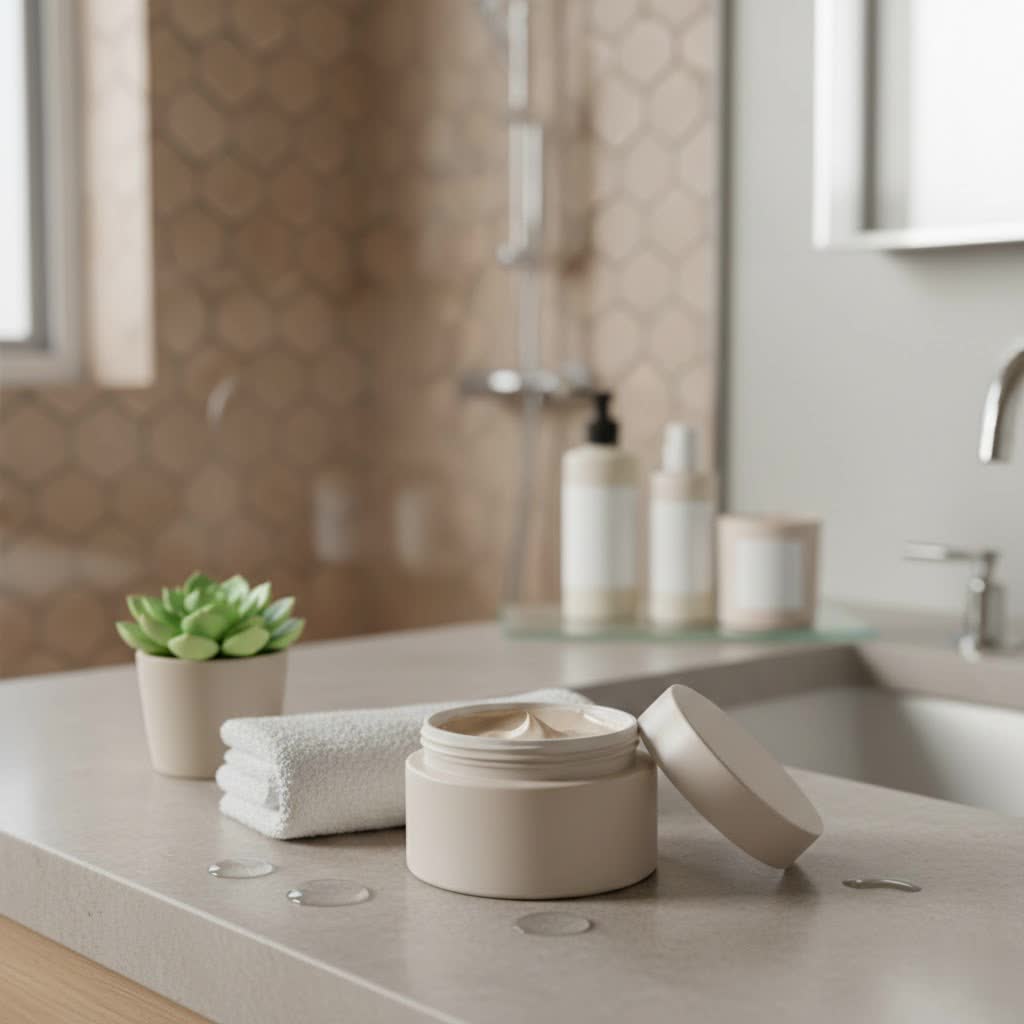
Ever wonder why your skin sometimes feels tight, dull, or just not quite right, even with a regular moisturizing routine? The secret often lies in hydration, or rather, the lack of it. Hydration is the cornerstone of healthy, supple skin, contributing to everything from elasticity to a radiant glow. A powerful way to infuse your skin with this vital moisture is through a hydrating face mask. These specialized treatments deliver a concentrated dose of hydrating ingredients, working deeper than your daily moisturizer to revitalize and improve your complexion. If you’re ready to unlock dewy, plump, and healthy-looking skin, understanding and choosing the best hydrating face mask is your next essential step.
What is a Hydrating Face Mask?
At its core, a hydrating face mask is a skincare product meticulously formulated to replenish and lock in moisture within the skin’s layers. Unlike traditional moisturizers that primarily sit on the surface to prevent water loss, hydrating masks work to actively draw water into the epidermis and create a protective barrier. This intense surge of moisture helps to combat dryness, soothe feelings of tightness, and significantly reduce the appearance of dehydration lines, leaving your skin feeling soft, smooth, and genuinely revitalized. Whether your skin is naturally dry, feeling the effects of environmental stressors, or even if it’s oily but still lacking water, a hydrating mask can provide a much-needed drink for your complexion. For explore our face masks reviews on this site.
The Science Behind Hydration: Key Ingredients to Look For
The effectiveness of any hydrating face mask stems from its carefully selected ingredients. Understanding these powerhouses will help you choose the best mask for your skin’s specific needs.
Humectants: The Moisture Magnets
Humectants are star ingredients in hydrating masks, known for their ability to attract and bind water molecules from the environment and deeper layers of the skin.
- Hyaluronic Acid (HA): A renowned humectant, HA can hold up to 1,000 times its weight in water, intensely plumping the skin and smoothing fine lines.
- Glycerin: A common and effective humectant, glycerin draws moisture into the skin, keeping it soft and supple.
- Honey: This natural humectant also boasts emollient and soothing properties, making it excellent for sensitive or irritated skin.
- Aloe Vera: Rich in polysaccharides and amino acids, aloe vera provides deep hydration while calming inflammation.
- Other Humectants: Propylene glycol, pentylene glycol, and hydrogenated starch hydrolysates (HSH) are also found in various formulations.
Emollients: The Softeners and Smoothers
Emollients work to soften and smooth the skin by filling in the gaps between skin cells, creating a more even and resilient surface.
- Ceramides: These lipids are crucial components of the skin barrier, helping to strengthen it and prevent moisture loss.
- Shea Butter: A rich emollient that deeply nourishes dry skin and reinforces the lipid barrier.
- Avocado Oil: Packed with fatty acids and vitamins, it nourishes and helps to prevent moisture evaporation.
Occlusives: The Moisture Sealers
|
Our Picks for the Best Face Mask in 2026
As an Amazon Associate I earn from qualifying purchases.
|
||
| Num | Product | Action |
|---|---|---|
| 1 | LEMENT 50pcs KN95 Face Mask Black 5 Layer Cup Dust Safety Masks Filter Efficiency≥95% Breathable Elastic Ear Loops Black Masks |

|
| 2 | LEVENIS KN95 Face Masks 50 Pack, Breathable Comfortable and Disposable KN95 Mask, Black |
|
| 3 | Bio-Collagen Real Deep Mask – Low Molecular Collagen, Hyaluronic Acid & Galactomyces Probiotics – Hydrating, Pore-Minimizing & Firming Facial Sheet Mask – 5 Pack |
|
| 4 | NNPCBT 100PCS 3 Ply Black Disposable Face Mask Filter Protection Face Masks |
|
| 5 | MAREE Collagen Facial Mask with Hyaluronic Acid — Sheet Face Mask Skincare — Centella Asiatica, Green & Red Algae Extract — Hydrating Facemask For Women Skin Care — Mascarillas Para La Cara — 6 Count |
|
| 6 | NNPCBT Blue Disposable Face Masks 100 Pack,3-Ply Breathable Mask For Adults,Great For Outdoors,Home, Office, School |
|
| 7 | Achiou Ski Mask for Men Women, Balaclava Face Cover, Shiesty Mask UV Protector Lightweight for Motorcycle Snowboard |
|
| 8 | 100 PCS Disposable Face Masks, Black Disposable Masks, 3 Ply Protection Face Masks |
|
| 9 | BIODANCE Refreshing Sea kelp Real Deep Mask, Overnight Hydrogel Mask, Calming, Oil & Sebum Control, Blemish Care, Korean Skin Care, Valentines Day Gifts for Her - 1.19oz(34g) x 4ea |
|
| 10 | 14 Pack Sheet Face Masks Skincare, Hydrating Face Masks Suitable for Dry Skin, Bulk Facial Mask Set for Women Skin Care, Face Mask Gifts Set for Face Spa |
|
While not hydrating in themselves, occlusives form a physical barrier on the skin’s surface to prevent transepidermal water loss (TEWL), effectively sealing in the hydration provided by humectants. Ingredients like petrolatum, mineral oil, and certain waxes function as occlusives, often found in richer cream or overnight masks.
Other Beneficial Ingredients
Many hydrating masks incorporate additional ingredients that offer synergistic benefits:
- Niacinamide (Vitamin B3): Improves skin barrier function, reduces redness, and enhances overall skin tone.
- Collagen Peptides: Support skin elasticity and firmness, contributing to a plump, youthful appearance.
- Vitamin C: A powerful antioxidant that brightens the complexion and protects against environmental damage, often found in masks targeting radiance.
- Squalane: A lightweight emollient that mimics the skin’s natural oils, offering excellent moisture and a silky feel.
Benefits of Incorporating a Hydrating Face Mask into Your Routine
Adding a hydrating face mask to your skincare regimen can bring a multitude of benefits, elevating your skin’s health and appearance.
- Deep Moisturisation and Plumpness: Hydrating masks deliver an intense dose of moisture, saturating the skin and helping it appear plumper and more supple. This deep hydration can make a noticeable difference, especially for skin prone to dryness or dehydration.
- Improved Skin Barrier Function: A well-hydrated skin barrier is a strong barrier. Regular use of hydrating masks helps reinforce the skin’s natural protective shield, making it more resilient against environmental aggressors and reducing moisture loss.
- Soothing and Calming Irritated Skin: Many hydrating masks include soothing ingredients like aloe vera, chamomile, or oat extract, which can calm redness, reduce inflammation, and alleviate discomfort for sensitive or irritated skin.
- Reduced Appearance of Fine Lines: By plumping up the skin with moisture, hydrating masks can temporarily diminish the appearance of fine lines and wrinkles, giving the complexion a smoother, more youthful look.
- Enhanced Radiance and Healthy Glow: When skin is optimally hydrated, it reflects light better, resulting in a healthy, dewy, and radiant complexion. Hydrating masks can instantly boost your skin’s luminosity.
Types of Hydrating Face Masks: Finding Your Perfect Match
Hydrating masks come in various formats, each offering a unique experience and catering to different preferences and skin types.
Cream Masks
Cream masks typically have a rich, thick, and emollient texture. They are excellent for deeply nourishing and providing lasting hydration, making them particularly beneficial for dry or mature skin. These masks often contain a high concentration of oils and humectants to lock in moisture effectively.
Sheet Masks
Sheet masks are thin, face-shaped cloths pre-soaked in a hydrating serum. They are incredibly easy to use and provide an instant boost of moisture, making them suitable for all skin types, including sensitive skin. Modern sheet masks often feature advanced materials like biocellulose or hydrogel, which adhere closely to the skin for maximum absorption and a cooling sensation. Some Japanese beauty brands offer bulk-packaged sheet masks designed for daily use, replacing a toner step.
Gel Masks
Lightweight and often cooling, gel masks are ideal for oily, combination, or acne-prone skin types that still require hydration without a heavy or greasy residue. Their refreshing texture can also be very soothing, especially after sun exposure or for irritated skin.
Sleeping/Overnight Masks
Designed to be applied before bed and left on while you sleep, overnight masks provide prolonged hydration. These masks work tirelessly through the night, allowing active ingredients ample time to penetrate and repair the skin barrier, so you wake up to a softer, smoother, and more radiant complexion. They are particularly beneficial for very dry or tired skin.
How to Choose the Best Hydrating Face Mask for Your Skin Type
Selecting the right hydrating face mask depends largely on your individual skin type and concerns. Here’s a guide to help you make an informed choice:
- For Dry Skin: If your skin often feels tight, flaky, or lacks moisture, opt for rich cream masks or overnight sleeping masks. Look for ingredients like hyaluronic acid, glycerin, ceramides, and shea butter, which provide intense and lasting hydration.
- For Oily Skin: Even oily skin needs hydration. Choose lightweight, non-comedogenic gel-based masks. These can hydrate without clogging pores or adding excess shine. Ingredients like aloe vera and hyaluronic acid are excellent choices, and some formulations might include light oil-balancing components.
- For Sensitive Skin: Prioritize masks with soothing and calming ingredients such as chamomile, oat extract, aloe vera, or cica. Crucially, avoid masks that contain alcohol, strong fragrances, or harsh chemicals that could irritate your delicate skin.
- For Combination Skin: If you have areas of both oiliness (e.g., T-zone) and dryness (e.g., cheeks), you might benefit from multi-masking—applying a hydrating mask to drier areas and a purifying mask to oilier zones. Alternatively, look for balanced formulas that hydrate without being too heavy.
- General Tips: Always read the ingredient list carefully for potential irritants or allergens. Consider the product’s texture and how it feels on your skin. Finally, choose masks from established brands known for their skincare expertise.
Top Hydrating Face Masks Highly Recommended by Experts
The market is brimming with excellent hydrating face masks, each offering unique benefits. Here are a few top picks celebrated for their efficacy:
- Biodance Bio-Collagen Hydrating Overnight Hydrogel Mask: A K-beauty favorite, this innovative hydrogel mask is designed to be worn overnight, visibly smoothing, hydrating, and plumping the skin with a blend of niacinamide, hyaluronic acid, and collagen peptides.
- Laneige Water Sleeping Mask: A cult classic, this lightweight gel-based overnight mask delivers deep hydration with hydro-ionized mineral water and ceramides, leaving skin supple and radiant by morning.
- Dr. Jart+ Dermask Water Jet Vital Hydra Solution: For those who prefer sheet masks, this ultra-hydrating option is drenched in a serum featuring hyaluronic acid, aquaxyl, and seaweed extract, providing an intense surge of moisture in just 20 minutes.
- Glow Recipe Watermelon Glow Sleeping Mask: This delightful jelly-like mask combines watermelon extract, hyaluronic acid, and gentle AHAs to hydrate, smooth, and brighten the skin while you sleep, all with a refreshing, bouncy texture.
- First Aid Beauty Ultra Repair Instant Oatmeal Mask: This creamy wash-off mask is perfect for dry and sensitive skin, featuring colloidal oatmeal, bisabolol, and shea butter to calm irritation, reduce inflammation, and deeply moisturize.
How to Properly Use and Maximize Your Hydrating Face Mask
To truly reap the full benefits of your hydrating face mask, proper application and a consistent routine are key.
- Cleanse Your Skin: Always start with a clean face. This ensures that no makeup, dirt, or impurities create a barrier, allowing the mask’s active ingredients to penetrate effectively.
- Apply the Mask:
- For cream, gel, or sleeping masks: Apply an even layer across your face, avoiding the immediate eye and lip areas unless specified by the product.
- For sheet masks: Carefully unfold the mask and align it with your facial contours, gently pressing it onto your skin to ensure maximum contact and adherence.
- Relax and Wait: Leave the mask on for the recommended amount of time, typically 10-20 minutes for wash-off or sheet masks, or overnight for sleeping masks. Use this time to relax and allow the ingredients to work their magic.
- Rinse or Massage:
- Wash-off masks: Gently rinse off with lukewarm water.
- Sheet or sleeping masks: Either remove the sheet mask and pat any remaining serum into your skin or simply massage in the residue of an overnight mask.
- Follow Up with Moisturizer: To seal in all the glorious hydration and active ingredients, apply your favorite moisturizer immediately after removing/rinsing your mask. This crucial step helps prolong the benefits and reinforces your skin’s moisture barrier.
For most skin types, using a hydrating face mask 1-3 times a week is ideal. However, some gentle formulations, particularly certain J-beauty sheet masks, can be incorporated into a daily routine.
Conclusion
Hydrating face masks are indispensable tools in any comprehensive skincare regimen, offering a powerful and enjoyable way to infuse your skin with much-needed moisture. From deeply moisturizing creams to refreshing gel formulas and convenient sheet masks, there’s a perfect option for every skin type and concern. By understanding key ingredients, selecting the right type for your skin, and incorporating it into a consistent routine, you can effectively combat dryness, enhance your skin’s barrier, and reveal a truly radiant, plump, and healthy complexion. So, are you ready to give your skin the hydration it craves and unveil your most glowing self?
Frequently Asked Questions
How often should I use a hydrating face mask?
Generally, using a hydrating face mask 1-3 times a week is recommended for most skin types. However, some milder sheet masks are formulated for daily use, acting more like an essence or toner to provide consistent moisture.
Can oily skin benefit from hydrating masks?
Absolutely! Oily skin can often be dehydrated, leading to overproduction of oil to compensate. Hydrating masks, especially lightweight gel formulas, can balance the skin’s moisture levels without adding grease, leading to less oiliness and a healthier complexion.
What’s the difference between hydration and moisturization?
Hydration refers to increasing the water content in your skin cells, making them plump and full. Moisturizing, on the other hand, involves creating a barrier on the skin’s surface to prevent existing water from escaping. Hydrating masks focus on drawing water into the skin, while moisturizers primarily seal it in.
Can I make a DIY hydrating face mask?
Yes, you can! Simple DIY hydrating masks can be made with natural ingredients like mashed avocado (for emollients), raw honey (a humectant), aloe vera gel (soothing and hydrating), or plain yogurt (gentle exfoliation and hydration). Always patch test first, and use fresh ingredients.
Build a cleanser routine that actually works
Practical specs, not advice. Unsubscribe anytime.

My skin gets so dry in the winter, and I was looking for something to really tackle that lack of elasticity. I tried a cream mask with glycerin, and it’s been fantastic. My skin feels so much more supple and less prone to flakiness. It really does work deeper than my regular moisturizer.
I picked up one of the sheet masks mentioned in the mid-range price point. It was okay, but I didn’t get that ‘dewy’ look I was hoping for. It felt nice and cool, but the hydration boost wasn’t as dramatic as I expected. Maybe I need to try a different type or brand next time.
I’ve been struggling with dull, tight skin for ages, and this guide really helped me understand why. I tried the hyaluronic acid mask recommended for dry skin, and wow, what a difference! My face feels so much plumper and has a healthy glow now. Definitely a game-changer for my routine.
I appreciate the breakdown of ingredients. I’m always looking for products with ceramides to help with my skin barrier. The overnight mask suggestion was perfect for my busy schedule; I just put it on before bed and wake up to softer skin. It’s a great way to get that concentrated dose of hydration without extra steps in the morning.