Do you dream of firmer, more supple skin, free from the visible signs of aging? As we gracefully navigate through life, our skin’s natural collagen production begins to slow, often starting in our mid-20s. This decline can lead to a loss of elasticity, the emergence of fine lines, and a less plump complexion. This is where Collagen Face Masks enter the spotlight, offering a targeted solution to revitalize and restore your skin’s youthful glow. These topical treatments, infused with potent ingredients, have surged in popularity as a convenient and effective at-home solution for those seeking a visibly firmer and more radiant appearance. Understanding how they work, what ingredients to prioritize, and the best application techniques is crucial to harnessing their full potential for a visibly smoother and more resilient complexion.
What is a Collagen Face Mask?
A collagen face mask is a specialized skincare product designed to deliver collagen or compounds that stimulate collagen production directly to the skin’s surface. While the large, intact collagen molecules found naturally in our bodies are generally too big to penetrate the skin’s outer layer when applied topically, modern formulations have ingeniously overcome this hurdle. Many effective collagen masks utilize hydrolyzed collagen, which are collagen molecules broken down into smaller, more easily absorbed peptides.
These masks offer a dual approach to skincare. Immediately upon application, they work to create a moisture-locking film on the skin, significantly reducing transepidermal water loss (TEWL) and instantly imparting a smoother, tighter feel. Over time, and with consistent use, the collagen-boosting ingredients actively encourage the skin’s fibroblasts—the cells responsible for producing collagen—to ramp up their natural synthesis. This makes them a strategic ally in maintaining a firm, resilient complexion rather than a simple aesthetic treatment.
How Do Collagen Face Masks Work?
Collagen face masks operate through a sophisticated dual-action mechanism that addresses both immediate hydration and long-term skin health. First, the hydrolyzed collagen and other humectants like hyaluronic acid in these masks form a hydrating barrier on the skin’s surface. This immediately plumps the skin, visibly reducing the appearance of fine lines and creating a temporary firming effect. This instant glow and tightness are often noticeable after just one use, providing an immediate boost to your complexion.
Second, the true long-term benefits arise from the masks’ ability to stimulate your skin’s natural collagen production. Key ingredients such as peptides (like palmitoyl pentapeptide-4), vitamin C, and niacinamide act as signals to your skin cells. These signals prompt the fibroblasts to produce more collagen and elastin, essential proteins for skin structure and elasticity. Consistent application, typically two to three times per week, encourages this natural synthesis, leading to cumulative improvements in skin texture, firmness, and overall resilience over several weeks. Additionally, many masks contain antioxidants that protect existing collagen from environmental damage, further supporting the skin’s integrity.
Key Ingredients to Look for in Effective Collagen Masks
When choosing a collagen face mask, carefully examining the ingredient list is paramount to ensure you’re selecting a product that delivers tangible results. Not all collagen masks are created equal, and the presence of certain key components can significantly enhance their efficacy.
Prioritize masks containing:
- Hydrolyzed Collagen (Collagen Peptides): This is the most crucial form of collagen for topical application, as its smaller molecular size allows for better surface absorption and hydration. Marine collagen is often favored for its higher bioavailability and sustainability.
- Hyaluronic Acid: A powerful humectant that attracts and retains moisture, hyaluronic acid works synergistically with collagen to amplify hydration and plumpness, leading to a smoother skin texture.
- Vitamin C (Ascorbic Acid or Derivatives): A potent antioxidant, Vitamin C is vital for stabilizing existing collagen fibers and stimulating the synthesis of new collagen. It also brightens the complexion and combats dullness.
- Peptides: Specific signaling peptides, such as Matrixyl or Argireline, communicate with skin cells to encourage increased production of collagen and elastin, directly targeting firmness and elasticity.
- Niacinamide: Also known as Vitamin B3, niacinamide strengthens the skin barrier, reduces inflammation, minimizes pores, and supports overall collagen integrity.
- Ceramides: These lipids reinforce the skin’s natural barrier, preventing moisture loss and enhancing the protective function of the mask.
Conversely, it is wise to avoid masks that are heavily laden with potential irritants such as alcohol, synthetic fragrances, or parabens, especially if you have sensitive or reactive skin. Opt for dermatologist-tested, non-comedogenic formulas to prevent irritation or clogged pores, ensuring your collagen mask truly benefits your skin.
Types of Collagen Face Masks
Collagen face masks come in various formats, each offering distinct advantages and catering to different skin types and preferences. Understanding these types can help you select the most suitable mask for your skincare routine.
Here are the primary types of collagen face masks:
- Sheet Masks: These are pre-cut fabric sheets saturated with a collagen-rich serum.
- Pros: Convenient, mess-free, high concentration of active ingredients, good for targeted delivery.
- Cons: Single-use, can be less eco-friendly, may slip if not properly adhered.
- Best for: Most skin types, particularly normal to dry skin, and for quick, intensive treatments.
- Gel Masks: Featuring a cooling, water-based formula that absorbs quickly into the skin.
- Pros: Lightweight, non-greasy, often provide a soothing sensation (especially when refrigerated), good for calming inflamed skin.
- Cons: May dry out faster than other types, requiring a quicker application.
- Best for: Oily, acne-prone, sensitive, or inflamed skin.
- Cream Masks: These masks have a rich, emollient texture that provides intense hydration.
- Pros: Highly nourishing, ideal for delivering deep moisture and active ingredients over a longer contact time.
- Cons: Can feel heavy on oily or combination skin, may require thorough rinsing.
- Best for: Mature, very dry, or dehydrated skin types that need an extra boost of moisture and lipids.
- Peel-Off Masks: These masks form a film that tightens as it dries, offering an instant lifting sensation upon removal.
- Pros: Provide immediate visible tightening, can help remove surface impurities.
- Cons: Can be stripping if overused, may cause micro-tears on delicate skin if removed too aggressively.
- Best for: Occasional use (max once weekly) for an immediate firming effect, generally not for sensitive skin.
| Mask Type | Primary Benefit | Best For | Application | Key Considerations |
|---|---|---|---|---|
| Sheet Mask | Hydration, Serum Delivery | All, esp. Normal to Dry | Unfold, apply, remove | Single-use, fit |
| Gel Mask | Cooling, Lightweight Hydration | Oily, Sensitive, Inflamed | Even layer, absorbs | May dry quickly |
| Cream Mask | Intense Nourishment | Dry, Mature | Thick layer, longer wear | Rich, can feel heavy |
| Peel-Off Mask | Instant Lifting, Pore Refinement | Occasional Firming | Apply, peel off when dry | Use sparingly, avoid aggressive removal |
For individuals with oily or combination skin, lightweight gel or serum-infused sheet masks are often preferred to prevent clogging pores. Mature skin, benefiting from enhanced nourishment, will typically respond well to cream-based masks enriched with ceramides and peptides. Always perform a patch test when trying a new product, especially with peel-off masks, which can be more intense.
How to Choose the Right Collagen Face Mask (Buying Guide)
Selecting the ideal collagen face mask involves more than just picking a popular product; it requires a thoughtful assessment of your skin’s unique needs and the mask’s formulation. A well-chosen mask can significantly enhance your skincare regimen and deliver the results you desire.
Here’s a comprehensive guide to help you make an informed decision:
-
Identify Your Skin Needs and Type:
- Dry/Mature Skin: Look for cream masks rich in emollients like ceramides and fatty acids.
- Oily/Combination Skin: Opt for lightweight gel or sheet masks that are non-comedogenic (won’t clog pores).
- Sensitive/Acne-Prone Skin: Choose formulas free from fragrance, alcohol, and essential oils. Always patch-test.
- Dull/Uneven Tone: Seek masks with added Vitamin C or niacinamide for brightening benefits.
-
Scrutinize the Ingredient List:
- Prioritize Hydrolyzed Collagen: Ensure the mask contains hydrolyzed collagen or collagen peptides, as these are small enough for surface absorption. Marine collagen is often considered superior due to its smaller molecular weight.
- Look for Synergistic Actives: Effective masks combine collagen with other beneficial ingredients like hyaluronic acid (for hydration), peptides (for stimulating collagen synthesis), vitamin C (for antioxidant and brightening effects), and niacinamide (for barrier support).
- Avoid Harmful Additives: Steer clear of masks with high concentrations of alcohol, synthetic fragrances, parabens, or harsh dyes, which can irritate sensitive skin and counteract the mask’s benefits.
-
Consider the Mask Format:
- Think about your preference for application and removal, as well as how each type interacts with your skin type (refer to the “Types of Collagen Face Masks” section for detailed guidance).
-
Check for Quality Standards and Reputability:
- Third-Party Certifications: Look for labels like “dermatologist-tested,” “non-comedogenic,” or relevant ethical/sustainability certifications, which indicate a commitment to quality and safety.
- Brand Reputation: While avoiding product endorsements, generally research brands known for transparent ingredient sourcing and positive customer feedback. Look for those that invest in scientific research for their formulations.
- Read Reviews (Cautiously): While helpful for general sentiment, remember that individual results vary. Focus on feedback from users with similar skin concerns.
By carefully evaluating these factors, you can confidently choose a collagen face mask that aligns with your skin’s needs, maximizing its potential to deliver visible improvements in firmness, hydration, and overall skin health.
Step-by-Step Guide: Using a Collagen Face Mask for Maximum Results
To truly unlock the transformative power of a collagen face mask, proper application and integration into your skincare routine are crucial. Following a precise step-by-step guide ensures that your skin receives the full benefits of the mask’s potent ingredients.
Here’s how to use your collagen face mask for optimal results:
-
Cleanse Thoroughly: Begin with a clean canvas. Use a gentle cleanser to remove all makeup, dirt, oil, and impurities from your face. A clean surface allows the mask’s active ingredients to penetrate and absorb more effectively, rather than sitting on top of a barrier of residue.
-
Exfoliate (1-2 Times Weekly): On days you use your mask, consider a mild exfoliation before application (1-2 times per week). A gentle chemical exfoliant, such as lactic or glycolic acid, can slough off dead skin cells, creating a smoother surface for better absorption. Important: Avoid harsh physical scrubs or exfoliating immediately before using a peel-off mask, as this can over-sensitize the skin.
-
Apply Toner or Essence (Optional, but Recommended): Lightly mist or pat a hydrating toner or essence onto slightly damp skin. This step preps the skin, balances its pH, and creates a moist environment that enhances the penetration of the mask’s active ingredients. This technique is sometimes referred to as “skin flooding.”
-
Mask Application:
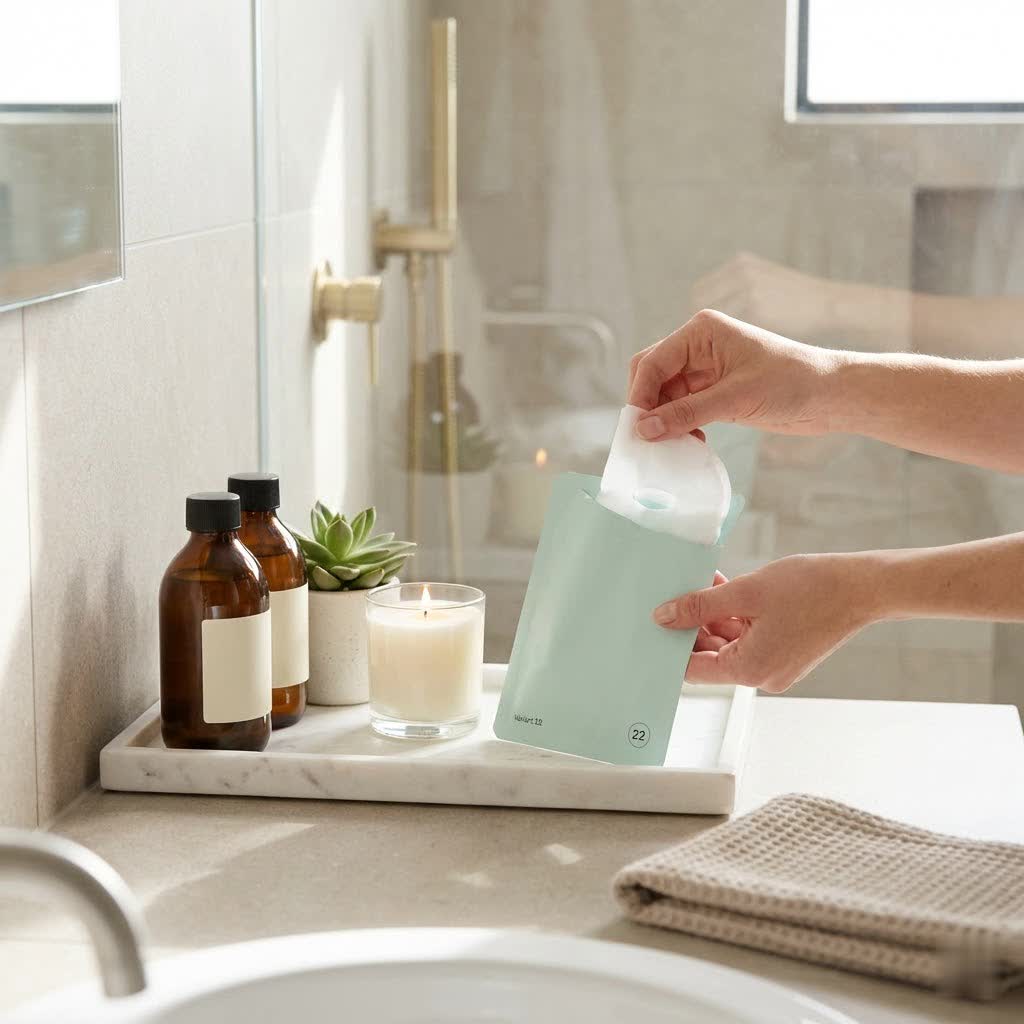
- Sheet Masks: Carefully unfold the mask and align it with your facial contours (eyes, nose, mouth). Gently press it onto your skin to eliminate any air bubbles, ensuring full contact.
- Gel/Cream Masks: Use clean fingers or a brush to apply an even layer of the mask over your face, typically avoiding the immediate eye and lip areas unless the product specifies it’s safe for those zones.
-
Relax for the Recommended Time: Most collagen masks are designed to be left on for 15-20 minutes. It’s vital to adhere to the product’s instructions. Leaving a sheet mask on for too long, especially until it dries out, can actually have a reverse osmosis effect, drawing moisture out of your skin instead of delivering it. Set a timer to avoid this common mistake.
-
Rinse or Pat In Residue:
- Wash-off Masks: Rinse your face thoroughly with lukewarm water until all traces of the mask are gone.
- Sheet or Leave-on Masks: Gently remove the sheet mask, then lightly pat any remaining serum into your skin, allowing it to fully absorb. Don’t forget to extend this patting motion down to your neck and décolletage, which often show signs of aging too.
-
Seal with Moisturizer: This is a crucial, often overlooked step. Always follow your mask treatment with a generous application of your regular moisturizer or facial oil. This locks in all the hydration and active ingredients from the mask, preventing them from evaporating and ensuring long-lasting benefits. Choose a moisturizer that complements your skin type and contains additional collagen-supporting ingredients like peptides or ceramides for maximum synergy.
Optimal Frequency and Timing:
For most people, using a collagen face mask 2-3 times per week is ideal for maintenance and visible results. If you have very dry or mature skin, you might increase to every other day, but always monitor for any signs of irritation. The evening is generally the optimal time for application, as your skin enters its natural repair mode overnight, making it more receptive to active ingredients. Additionally, if your mask contains photosensitizing ingredients like Vitamin C, evening application avoids immediate sun exposure.
Common Mistakes to Avoid When Using Collagen Face Masks
Even with the highest quality collagen face mask, improper usage can significantly diminish its potential benefits. Avoiding these common pitfalls will ensure you get the most out of your skincare investment and maintain healthy, radiant skin.
Here are frequent mistakes and how to sidestep them:
-
Skipping Cleansing Before Application: Applying a mask over uncleaned skin is one of the most significant errors. Dirt, oil, makeup, and environmental pollutants can create a barrier, preventing the mask’s active ingredients from effectively penetrating. It can also trap impurities against your skin, potentially leading to breakouts. Always: Start with a thoroughly cleansed face to ensure optimal absorption.
-
Leaving the Mask On Too Long: The “more is better” mentality does not apply here. While tempting to extend the masking time for extra benefits, leaving a sheet mask on until it’s completely dry can cause it to start pulling moisture back out of your skin—a phenomenon known as reverse osmosis. This can leave your skin drier than before and potentially irritated. Always: Adhere to the recommended time (typically 15-20 minutes) stated in the product instructions.
-
Ignoring Your Skin Type and Product Format: Using a heavy, cream-based collagen mask on oily, acne-prone skin can lead to clogged pores and breakouts. Similarly, a lightweight gel mask might not provide enough hydration for very dry or mature skin. Always: Match the mask format and ingredient profile to your specific skin type and concerns.
-
Not Following Up with Moisturizer: After removing your mask, especially a hydrating one, many people think their skin is sufficiently moisturized. However, without a final occlusive layer, the beneficial ingredients and hydration from the mask can quickly evaporate from the skin’s surface. Always: Seal in all the goodness by applying a moisturizer or facial oil immediately after masking to lock in hydration and create a protective barrier.
-
Layering with Strong Actives on the Same Night: Combining a collagen mask with other potent active ingredients like high-concentration retinoids, AHAs (Alpha Hydroxy Acids), or BHAs (Beta Hydroxy Acids) on the same night can lead to over-exfoliation, irritation, redness, or sensitivity. Always: Alternate nights for these strong actives or use collagen masks on “recovery” days when your routine is gentler.
-
Skipping a Patch Test: Allergic reactions to ingredients like marine collagen, botanical extracts, or synthetic fragrances are possible. Applying a new product directly to your entire face without testing can lead to widespread irritation. Always: Perform a patch test on a small, inconspicuous area (like behind your ear or on your inner arm) 24-48 hours before full facial application.
By being mindful of these common mistakes, you can optimize your collagen face mask routine, prevent potential skin issues, and maximize the efficacy of your chosen product for truly radiant and healthy skin.
The Science Behind Collagen Face Masks
The efficacy of topical collagen face masks has been a subject of scientific inquiry, and emerging research supports their role in skin rejuvenation, especially when formulated with advanced delivery systems and synergistic ingredients. While it’s a common misconception that large collagen molecules can deeply penetrate the dermis to rebuild structural collagen, modern masks work through intelligent mechanisms.
The primary benefit observed with high-quality collagen masks is enhanced hydration. Hydrolyzed collagen, peptides, and humectants like hyaluronic acid effectively bind water molecules to the stratum corneum (the outermost layer of the skin). This significantly increases skin hydration, leading to a temporary plumping effect that visibly reduces the appearance of fine lines and gives the skin a smoother, more supple texture. Clinical studies, such as one published in the Journal of Cosmetic Dermatology, have shown measurable improvements in skin hydration and elasticity with consistent use of hydrolyzed collagen masks.
Beyond immediate hydration, the “magic” of collagen masks often lies in their ability to stimulate the skin’s natural collagen production. Ingredients like specific peptides (e.g., palmitoyl pentapeptide-4, acetyl hexapeptide-8), vitamin C, and niacinamide act as messengers. They signal the skin’s fibroblasts to produce more of its own collagen and elastin over time. This targeted cellular communication helps to gradually improve skin firmness and resilience, contributing to a more youthful appearance.
It is important to maintain realistic expectations. Collagen face masks offer significant cosmetic improvements, providing deep hydration, enhancing elasticity, and reducing the appearance of fine lines. However, they are not replacements for invasive procedures like injectables or laser treatments, which target deeper structural remodeling. Instead, think of them as powerful complementary treatments that support your skin’s health, protect existing collagen from degradation (thanks to antioxidants), and amplify the results of your overall anti-aging regimen. Consistent and correct usage is the cornerstone for unlocking these sustained, visible benefits.
Conclusion
Collagen face masks are far more than a fleeting trend; they represent a strategic and effective addition to any comprehensive skincare routine aimed at combating the visible signs of aging and boosting hydration. By leveraging hydrolyzed collagen, potent peptides, and synergistic ingredients like hyaluronic acid and Vitamin C, these masks work to visibly plump the skin, enhance elasticity, and diminish the appearance of fine lines. They provide immediate hydration while also supporting your skin’s natural ability to produce collagen over time.
To truly benefit, remember that consistency, proper application techniques, and choosing a mask suited to your unique skin type are paramount. Avoid common pitfalls such as leaving masks on too long or skipping the crucial moisturizing step afterward. Embrace realistic expectations—collagen masks are powerful allies in achieving a firmer, more radiant complexion, complementing rather than replacing your core skincare regimen.
Are you ready to infuse your skincare routine with the revitalizing power of collagen face masks and discover a more youthful, resilient glow?
Frequently Asked Questions
Do collagen masks really work?
|
Our Picks for the Best Face Mask in 2026
We may earn a commission when you use one of our links to make a purchase.
|
||
| Num | Product | Action |
|---|---|---|
| 1 | BIODANCE Refreshing Sea kelp Real Deep Mask, Overnight Hydrogel Mask, Calming, Oil & Sebum Control, Blemish Care, Korean Skin Care, Valentines Day Gifts for Her - 1.19oz(34g) x 4ea |

|
| 2 | 14 Pack Sheet Face Masks Skincare, Hydrating Face Masks Suitable for Dry Skin, Bulk Facial Mask Set for Women Skin Care, Face Mask Gifts Set for Face Spa |
|
| 3 | MAREE Collagen Facial Mask with Hyaluronic Acid — Sheet Face Mask Skincare — Centella Asiatica, Green & Red Algae Extract — Hydrating Facemask For Women Skin Care — Mascarillas Para La Cara — 6 Count |
|
| 4 | LEVENIS KN95 Face Masks 50 Pack, Breathable Comfortable and Disposable KN95 Mask, Black |
|
| 5 | Bio-Collagen Real Deep Mask – Low Molecular Collagen, Hyaluronic Acid & Galactomyces Probiotics – Hydrating, Pore-Minimizing & Firming Facial Sheet Mask – 5 Pack |
|
| 6 | 100 PCS Disposable Face Masks, Black Disposable Masks, 3 Ply Protection Face Masks |
|
| 7 | NNPCBT Blue Disposable Face Masks 100 Pack,3-Ply Breathable Mask For Adults,Great For Outdoors,Home, Office, School |
|
| 8 | LEMENT 50pcs KN95 Face Mask Black 5 Layer Cup Dust Safety Masks Filter Efficiency≥95% Breathable Elastic Ear Loops Black Masks |
|
| 9 | NNPCBT 100PCS 3 Ply Black Disposable Face Mask Filter Protection Face Masks |
|
| 10 | Achiou Ski Mask for Men Women, Balaclava Face Cover, Shiesty Mask UV Protector Lightweight for Motorcycle Snowboard |
|
Yes, collagen masks can be effective, particularly those formulated with hydrolyzed collagen (collagen peptides) and collagen-stimulating ingredients like peptides and vitamin C. While large collagen molecules don’t deeply penetrate, these masks provide significant surface-level hydration, temporarily plump fine lines, and, with consistent use, can signal the skin to boost its natural collagen production, leading to visible improvements in firmness and elasticity.
How often should I use a collagen face mask?
For most individuals, using a collagen face mask 2 to 3 times per week is ideal for maintaining benefits. If you have very dry or mature skin, you might increase usage to every other day, but it’s important to monitor your skin for any signs of irritation or sensitivity, as overuse can sometimes disrupt the skin barrier.
Can collagen masks replace serums or moisturizers?
No, collagen masks are considered supplemental treatment products, not replacements for your daily serums or moisturizers. They provide an intensive boost of active ingredients and hydration but should be used in conjunction with your regular core routine, which typically includes cleansing, a serum (like vitamin C or retinol), moisturizer, and sunscreen.
Are there any side effects of collagen face masks?
Collagen itself is generally not an irritant. However, potential side effects such as redness, itching, or breakouts can occur due to other ingredients often found in masks, such as synthetic fragrances, alcohol, or certain botanical extracts. It is always recommended to perform a patch test on a small skin area before applying a new mask to your entire face to minimize the risk of an allergic reaction.
What’s the best time to apply a collagen mask?
Evening is generally considered the optimal time to apply a collagen mask. During the night, your skin enters its natural repair and regeneration mode, making it more receptive to active ingredients. Additionally, applying a mask with certain collagen-boosting components like Vitamin C in the evening helps avoid immediate sun exposure, which is important as some ingredients can increase photosensitivity.
What type of collagen is best in a mask?
For topical applications, hydrolyzed collagen (or collagen peptides) is the most effective type because its molecules have been broken down into smaller chains, allowing for better surface absorption and hydration. Marine collagen, derived from fish or algae, is often preferred within hydrolyzed forms due to its typically smaller molecular weight and enhanced bioavailability.