Ever wonder why some complexions seem to glow effortlessly, while others battle dullness and breakouts? The secret often lies in exfoliation, a fundamental skincare step that removes dead skin cells to reveal the fresh, vibrant skin beneath. And when it comes to effective exfoliation, an Exfoliating Face Mask can be a game-changer. These targeted treatments are designed to deliver a potent dose of skin-renewing ingredients, offering a transformative experience for your complexion. If you’re looking to elevate your skincare routine and unlock a smoother, brighter, and healthier-looking face, understanding the power of these masks is key.
What is an Exfoliating Face Mask?
An exfoliating face mask is a specialized skincare product formulated to remove dead cells from the skin’s surface. Over time, these old cells can accumulate, leading to a dull complexion, clogged pores, and uneven texture. Exfoliating masks help accelerate the natural cell turnover process, encouraging new, healthier skin cells to come to the forefront. This practice isn’t new; forms of exfoliation have been used for centuries to achieve smoother skin, evolving from rough natural abrasives to sophisticated chemical compounds and enzymes found in today’s advanced masks.
The Transformative Benefits of Exfoliating Face Masks
Incorporating an exfoliating face mask into your regimen offers a multitude of benefits that can significantly improve your skin’s overall health and appearance:
- Refined Skin Texture: By sloughing away rough, dead skin cells, these masks instantly create a smoother, softer surface. This helps diminish the appearance of rough patches, small wrinkles, and scars, promoting an even skin tone.
- Unclogged Pores and Fewer Breakouts: Accumulated dead skin cells and excess oil can trap impurities, leading to blackheads, whiteheads, and acne. Exfoliating masks delve deep to clear out these blockages, helping to prevent future blemishes and reduce the visibility of enlarged pores.
- Enhanced Product Absorption: Once the barrier of dead skin is removed, your serums, moisturizers, and other treatments can penetrate more effectively. This means your other skincare products work harder and deliver their benefits more efficiently.
- Brighter, More Radiant Complexion: Removing the dull surface layer reveals fresher, more luminous skin underneath. This immediate brightening effect leaves your face looking revitalized and glowing.
- Stimulated Cell Renewal and Collagen Production: Regular exfoliation encourages the skin to produce new cells more rapidly. This process can also stimulate collagen synthesis, a protein vital for skin elasticity and firmness, which helps minimize the appearance of fine lines and combat signs of aging.
- Improved Microcirculation: The gentle massaging or active ingredients in exfoliating masks can boost blood flow to the skin, promoting better oxygenation and aiding in the elimination of toxins, contributing to a healthy, vibrant look.
Exploring the Different Types of Exfoliating Face Masks
Exfoliating face masks generally fall into two main categories: physical and chemical, with some offering a combination of both. Each type has a unique mechanism of action and suits different skin needs.
Physical Exfoliating Masks
These masks use small granules or particles to manually buff away dead skin cells. They provide an immediate sensation of smoothness and can be quite satisfying to use.
- Scrubs: Often made with ingredients like fine bamboo powder, sugar, salt, or ground fruit kernels, these masks are applied and gently massaged onto the skin before rinsing.
- Pros: Instantaneous smoothing, satisfying texture.
- Cons: Can be overly abrasive if not used gently, potentially causing micro-tears or irritation, especially for sensitive or acne-prone skin. It’s crucial to opt for scrubs with fine, uniform particles rather than harsh, jagged ones.
- Peel-Off Masks: While some peel-off masks primarily cleanse, those with exfoliating properties physically lift away dead skin cells and impurities as they are removed.
- Pros: Deep cleansing, visibly brighter skin after removal.
- Cons: Can be harsh and may strip natural oils, potentially irritating sensitive skin.
|
Our Picks for the Best Face Mask in 2026
We may earn a commission when you use one of our links to make a purchase.
|
||
| Num | Product | Action |
|---|---|---|
| 1 | 100 PCS Disposable Face Masks, Black Disposable Masks, 3 Ply Protection Face Masks |

|
| 2 | NNPCBT 100PCS 3 Ply Black Disposable Face Mask Filter Protection Face Masks |
|
| 3 | NNPCBT Blue Disposable Face Masks 100 Pack,3-Ply Breathable Mask For Adults,Great For Outdoors,Home, Office, School |
|
| 4 | MAREE Collagen Facial Mask with Hyaluronic Acid — Sheet Face Mask Skincare — Centella Asiatica, Green & Red Algae Extract — Hydrating Facemask For Women Skin Care — Mascarillas Para La Cara — 6 Count |
|
| 5 | LEMENT 50pcs KN95 Face Mask Black 5 Layer Cup Dust Safety Masks Filter Efficiency≥95% Breathable Elastic Ear Loops Black Masks |
|
| 6 | Bio-Collagen Real Deep Mask – Low Molecular Collagen, Hyaluronic Acid & Galactomyces Probiotics – Hydrating, Pore-Minimizing & Firming Facial Sheet Mask – 5 Pack |
|
| 7 | BIODANCE Refreshing Sea kelp Real Deep Mask, Overnight Hydrogel Mask, Calming, Oil & Sebum Control, Blemish Care, Korean Skin Care, Valentines Day Gifts for Her - 1.19oz(34g) x 4ea |
|
| 8 | LEVENIS KN95 Face Masks 50 Pack, Breathable Comfortable and Disposable KN95 Mask, Black |
|
| 9 | Achiou Ski Mask for Men Women, Balaclava Face Cover, Shiesty Mask UV Protector Lightweight for Motorcycle Snowboard |
|
| 10 | 14 Pack Sheet Face Masks Skincare, Hydrating Face Masks Suitable for Dry Skin, Bulk Facial Mask Set for Women Skin Care, Face Mask Gifts Set for Face Spa |
|
Chemical Exfoliating Masks
Chemical exfoliants use acids or enzymes to dissolve the bonds between dead skin cells, allowing them to slough off without physical scrubbing. They often penetrate deeper and can be more effective for a wider range of skin concerns.
- Alpha Hydroxy Acids (AHAs): These water-soluble acids work on the skin’s surface to loosen and shed dead cells. Common AHAs include:
- Glycolic Acid: Derived from sugar cane, it’s known for its small molecular size, allowing deeper penetration and effective exfoliation.
- Lactic Acid: Found in milk, it’s a gentler AHA, making it suitable for sensitive and dry skin types, while still providing effective exfoliation and hydration.
- Fruit Acids (e.g., from pineapple, papaya): Often gentler, they offer a mild exfoliating action.
- Pros: Effective for improving skin texture, tone, and hyperpigmentation; can stimulate collagen production.
- Cons: Can cause sun sensitivity, tingling, or redness, especially in higher concentrations.
- Beta Hydroxy Acids (BHAs): Oil-soluble, BHAs can penetrate deeper into pores, making them excellent for oily and acne-prone skin.
- Salicylic Acid: The most common BHA, it helps to dissolve oil and debris within the pores, preventing and treating breakouts.
- Willow Bark Extract: A natural source of salicylic acid, offering similar benefits in a milder form.
- Pros: Ideal for unclogging pores, reducing oiliness, and treating acne.
- Cons: Can be drying or irritating if overused.
- Enzyme Masks: These masks utilize fruit enzymes (like papain from papaya or bromelain from pineapple) to gently digest dead skin cells.
- Pros: Very gentle, making them suitable for most skin types, including sensitive. Provide a subtle brightening effect without harshness.
- Cons: Generally less potent than AHA/BHA masks.
Clay and Mud Masks with Exfoliating Properties
Many clay and mud masks offer exfoliating benefits in addition to their purifying and oil-absorbing properties. Ingredients like kaolin or bentonite clay can draw out impurities, while some formulations incorporate fine physical exfoliants or mild chemical exfoliants. Dead Sea mud masks, for instance, are known for their ability to hydrate while gently polishing the skin. These are particularly beneficial for oily and congested skin types.
Key Ingredients to Look For in Exfoliating Face Masks
When selecting an exfoliating face mask, understanding the active ingredients is crucial for targeting specific skin concerns:
- For Texture and Brightness: Look for Glycolic Acid, Lactic Acid, Vitamin C (Ascorbic Acid), and Papaya or Pumpkin Enzymes.
- For Oily and Acne-Prone Skin: Salicylic Acid, Willow Bark Extract, Kaolin Clay, Bentonite Clay, and Charcoal are highly effective.
- For Hydration and Soothing Post-Exfoliation: Hyaluronic Acid, Aloe Vera, Chamomile, Green Tea, Squalane, and Licorice Root can help calm and replenish the skin.
- For Anti-Aging: Glycolic Acid, Lactic Acid, and ingredients like Paracress or various antioxidants can support skin renewal and firmness.
How to Choose the Right Exfoliating Face Mask for Your Skin
Selecting the perfect exfoliating face mask depends largely on your skin type and concerns:
- Identify Your Skin Type:
- Oily/Acne-Prone Skin: You can often tolerate stronger chemical exfoliants like salicylic acid and clay-based masks to absorb excess oil and unclog pores.
- Dry/Sensitive Skin: Opt for gentler options such as enzyme-based masks or those with lactic acid. Look for hydrating and soothing ingredients to prevent irritation. Avoid harsh physical scrubs.
- Normal/Combination Skin: You have more flexibility. AHAs like glycolic acid can be excellent for overall texture and brightness. You might also consider alternating between different types.
- Mature Skin: Focus on AHAs like lactic or glycolic acid to boost collagen and improve texture, coupled with deeply hydrating ingredients.
- Consider the Exfoliation Type: Do you prefer the immediate gratification of a gentle physical scrub, or the deeper, more gradual benefits of chemical exfoliants? Chemical exfoliants are generally favored by dermatologists for their controlled and often gentler action compared to many physical scrubs.
- Check for Complementary Ingredients: A good exfoliating mask often includes ingredients that hydrate, soothe, and protect the skin after the exfoliation process.
How to Use an Exfoliating Face Mask Correctly
To maximize the benefits of your exfoliating face mask and minimize irritation, follow these steps:
- Cleanse Your Face: Start with a clean canvas. Wash your face with your regular gentle cleanser to remove makeup, dirt, and impurities.
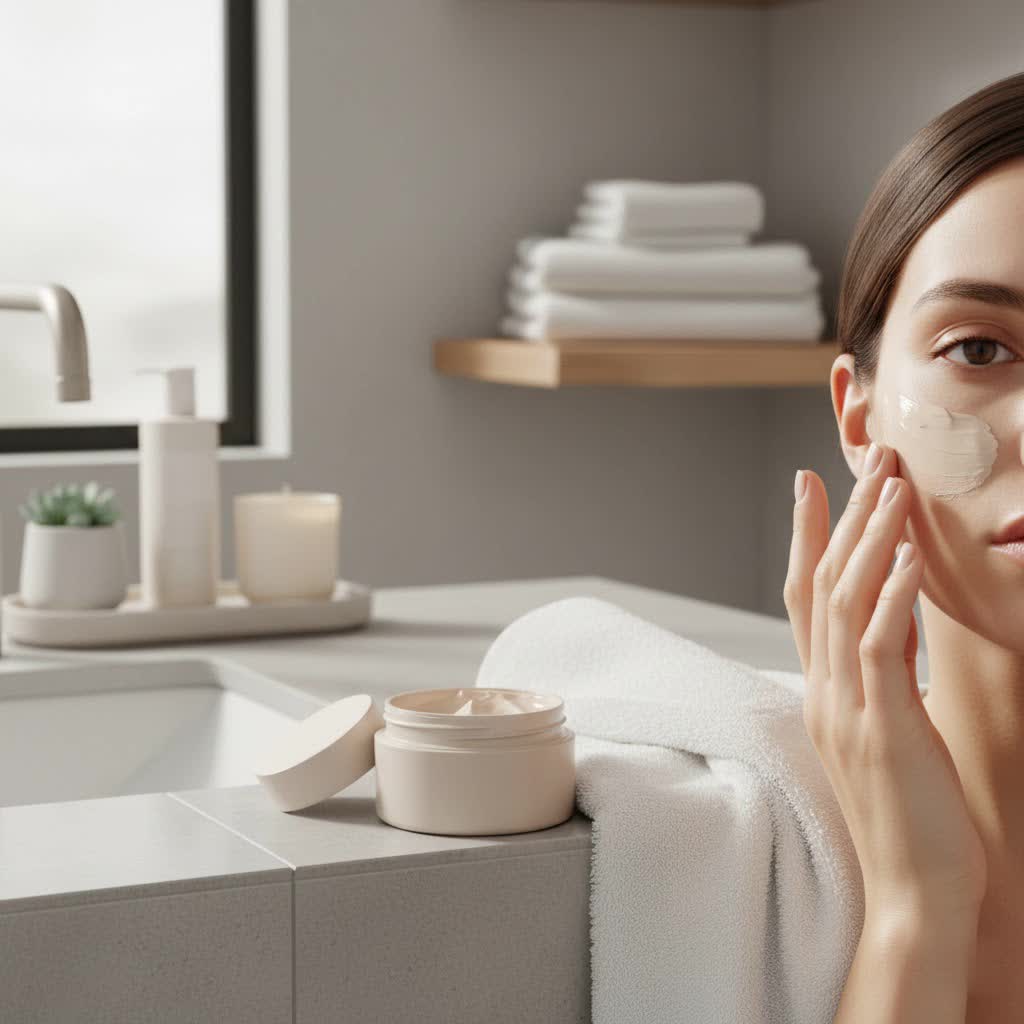
- Apply Evenly: Using clean fingers or a brush, apply a thin, even layer of the mask to your face, avoiding the delicate eye and lip areas. If it’s a physical exfoliant, you can gently massage it in circular motions for 30-60 seconds, focusing on areas of concern, but remember that the product is doing most of the work. For sensitive skin, apply without massaging.
- Allow to Work: Leave the mask on for the recommended time, usually 5-20 minutes, as per the product instructions. Do not exceed the suggested time, especially with potent chemical exfoliants.
- Rinse Thoroughly: Gently rinse off the mask with warm water. A damp washcloth can assist, especially with clay masks. Ensure all traces of the product are removed. For sheet masks, simply remove and pat the remaining serum into your skin.
- Pat Dry & Moisturize: Gently pat your skin dry with a clean towel. Immediately follow with your regular serum and moisturizer to lock in hydration and soothe the skin.
- Frequency: Most experts recommend using an exfoliating face mask 1-3 times a week, depending on your skin type and the product’s potency. Oily skin might tolerate it more frequently, while sensitive or dry skin may benefit from just once a week. Always perform a patch test on a small area of skin before applying a new mask to your entire face.
- Best Time: Many find it beneficial to use exfoliating masks in the evening, allowing the skin to regenerate overnight. Exfoliating after a warm shower can also be effective as the steam helps dilate pores, facilitating the exfoliating action.
“Regular exfoliation isn’t just about clearer skin; it’s about making every other product in your routine work harder. By removing the barrier of dead cells, you’re essentially priming your skin to absorb nutrients more efficiently.” – Admin, ReviewMr.com
Top Exfoliating Face Masks for a Radiant Glow
The market offers a vast array of exfoliating face masks, each with unique formulations. Highly-rated options often include:
- AHA/BHA Peeling Solutions: These powerful masks, often in a liquid or gel form, combine alpha and beta hydroxy acids for deep exfoliation, ideal for tackling dullness, uneven texture, and clogged pores.
- Clay Masks with Salicylic Acid: These targeted treatments utilize the oil-absorbing power of clay with the pore-clearing benefits of salicylic acid, perfect for oily and acne-prone skin.
- Enzyme Brightening Masks: Gentle yet effective, these masks often feature fruit enzymes to provide a mild exfoliation, leaving skin radiant and smooth without irritation, suitable for most skin types.
- Hydrating Exfoliating Masks: Some masks expertly blend exfoliating acids with deeply moisturizing ingredients like hyaluronic acid or squalane, ensuring skin remains plump and hydrated even after shedding dead cells.
Always read product labels and reviews to find the best match for your individual skin needs and preferences.
Conclusion
Exfoliating face masks are indispensable tools in achieving a truly radiant and healthy complexion. By diligently removing dead skin cells, they pave the way for smoother texture, clearer pores, enhanced product absorption, and a revitalized glow. Whether you opt for a potent chemical exfoliant or a gentle enzyme treatment, understanding your skin’s needs and applying the mask correctly will unlock its full potential. Embrace the power of exfoliation, and discover the confidence that comes with beautifully renewed skin.
What kind of radiant results are you hoping to achieve with your next exfoliating face mask?
Frequently Asked Questions
How often should I use an exfoliating face mask?
Generally, dermatologists recommend using an exfoliating face mask 1 to 3 times per week. The exact frequency depends on your skin type and the product’s potency. Those with oily or resilient skin might tolerate more frequent use, while sensitive or dry skin benefits from a less frequent application to prevent irritation.
Can exfoliating face masks help with acne?
Yes, many exfoliating face masks are highly effective in combating acne, particularly those containing Beta Hydroxy Acids (BHAs) like salicylic acid. BHAs are oil-soluble, allowing them to penetrate deep into pores to dissolve sebum and dead skin cells that cause breakouts. This helps unclog pores and reduce inflammation.
Is physical or chemical exfoliation better?
Neither is inherently “better”; the ideal choice depends on your skin type and concerns. Chemical exfoliants (AHAs, BHAs, enzymes) are often recommended by dermatologists for their more controlled and gentler action, reducing the risk of micro-tears. Physical exfoliants can provide immediate smoothness but must be used very gently, especially for sensitive or acne-prone skin.
What should I do after using an exfoliating face mask?
After rinsing off your exfoliating face mask, it’s crucial to follow up with a hydrating and soothing skincare routine. Gently pat your face dry, then apply a nourishing serum, followed by a good moisturizer. This helps to replenish moisture, calm the skin, and protect your newly revealed, fresh skin cells.
Can I use an exfoliating face mask if I have sensitive skin?
Yes, but with caution. If you have sensitive skin, opt for milder exfoliating masks, such as those containing lactic acid (a gentle AHA) or fruit enzymes. Always perform a patch test on a small, inconspicuous area of your skin first. Look for masks that also contain soothing ingredients like aloe vera or chamomile to minimize potential irritation.