In the dynamic world of skincare, where innovation constantly brings new solutions to light, one product has steadily risen in popularity for its refreshing efficacy: the gel face mask. As a skincare enthusiast, you’ve likely encountered countless mask types promising various benefits, but gel masks offer a unique blend of lightweight hydration and potent active ingredient delivery that sets them apart. Imagine a skincare experience that feels like a cool, soothing wave on your skin, effortlessly infusing it with vital moisture and targeted treatments without any heaviness or residue. This guide will examine everything you need to know about gel face masks, helping you understand their benefits, choose the right one for your skin, and integrate them into your routine for truly radiant results.
What is a Gel Face Mask?
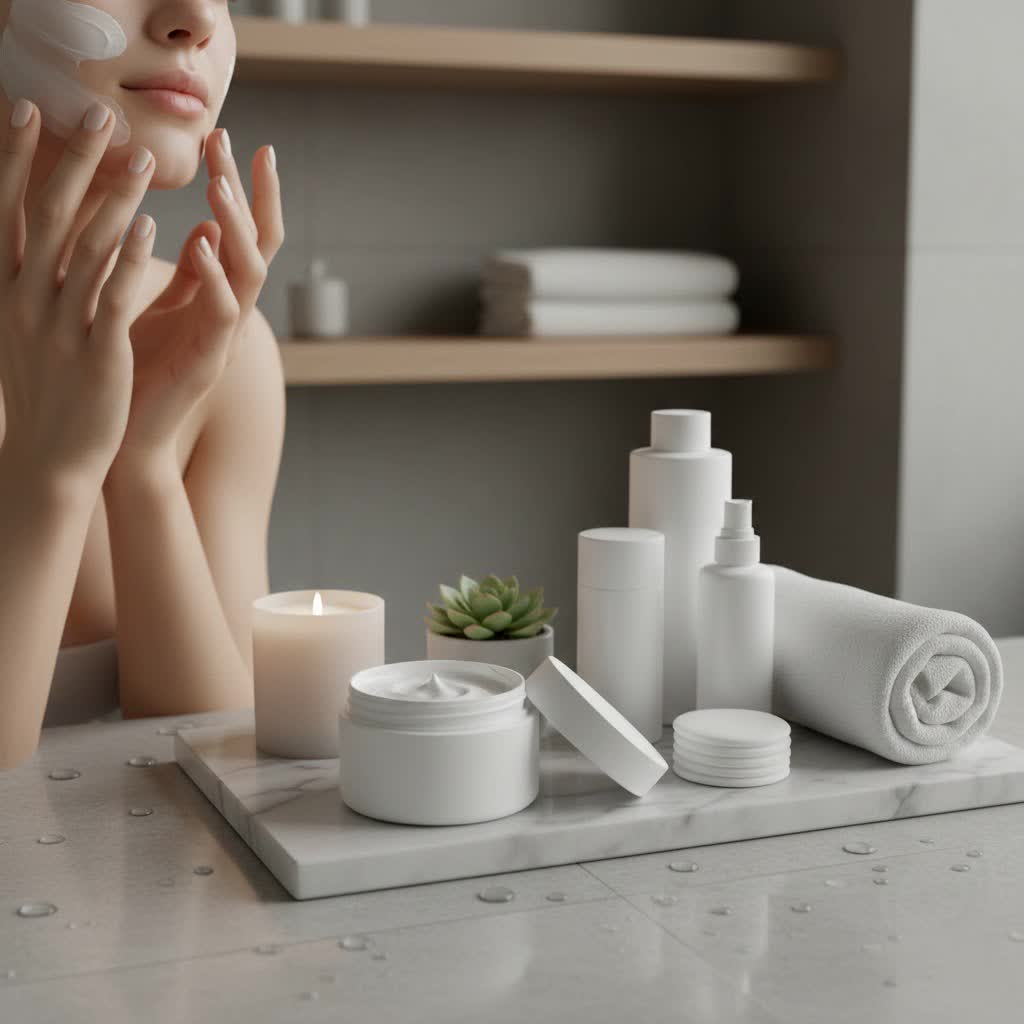
A gel face mask is a water-based skincare treatment characterized by its distinctive jelly-like consistency. Unlike thicker cream masks or drying clay formulations, gel masks are typically transparent or translucent and provide a lightweight, breathable layer on the skin. They are designed to deliver a concentrated dose of active ingredients efficiently, creating a moist environment that helps the skin absorb these beneficial compounds more effectively. This unique texture makes them feel incredibly refreshing upon application, a sensation often enhanced by their inherent cooling properties.
The history of face masks in skincare dates back centuries, but the gel face mask represents a more modern evolution. Its rise in popularity can be attributed to a growing demand for effective yet comfortable skincare solutions that cater to a wide range of skin types, particularly those seeking intense hydration without the risk of clogged pores or irritation. They stand as a shows advancements in cosmetic chemistry, offering a sophisticated way to infuse the skin with essential nutrients and moisture.
Why Gel Face Masks Are a Skincare Essential: Key Benefits
Gel face masks have become a beloved staple in many skincare routines due to their impressive array of benefits. Their unique formulation allows for a multifaceted approach to skin health, addressing various concerns with remarkable gentleness and efficacy.
- Intense Hydration: At the core of every gel mask lies its exceptional ability to hydrate. Packed with humectants like hyaluronic acid and glycerin, these masks actively draw moisture from the air and lock it into the skin, replenishing its hydration levels. The result is visibly plumper, smoother skin, with fine lines appearing diminished due to increased suppleness.
- Soothing and Calming: The inherent cooling sensation of a gel mask makes it an excellent choice for soothing irritated or inflamed skin. Ingredients such as aloe vera, centella asiatica, and allantoin often found in these formulations, work to reduce redness and discomfort, making them ideal after sun exposure, exfoliation, or for generally sensitive complexions.
- Lightweight & Non-Comedogenic: One of the most significant advantages of gel masks is their water-based, oil-free nature. This ensures they won’t clog pores, making them a superb option for oily, combination, and acne-prone skin types that often struggle with heavier mask formulations. They provide effective treatment without exacerbating breakouts.
- Efficient Active Ingredient Delivery: The jelly-like texture adheres closely to the skin, creating a barrier that helps potent active ingredients penetrate deeply and efficiently. This optimal absorption ensures your skin receives the full benefit of ingredients like antioxidants, vitamins, and peptides.
- Cooling Sensation: Many users cherish gel masks for their immediate cooling effect. This makes them perfect for a quick refresh, especially in warm weather, after a workout, or anytime your skin feels overheated or stressed. Some can even be refrigerated for an amplified cooling experience.
- Versatility for All Skin Types: Thanks to their adaptable formulations, there’s a gel mask suited for nearly every skin type. Whether you’re battling dryness, dullness, sensitivity, or excess oil, you can find a gel mask tailored to your specific needs without concern for irritation or heaviness.
Types of Gel Face Masks for Every Skin Concern
The versatility of gel face masks is evident in the variety of formulations available, each targeting specific skin concerns through carefully selected active ingredients.
- Hydrating Gel Masks: These are the most common type, focusing on boosting moisture levels. Key ingredients often include hyaluronic acid, glycerin, and aloe vera to deeply quench dry and dehydrated skin, leaving it soft and supple.
- Brightening Gel Masks: Designed to tackle dullness and uneven skin tone, these masks often feature Vitamin C, niacinamide, green tea extract, or licorice root extract. They work to diminish dark spots and promote a more luminous complexion.
- Calming/Soothing Gel Masks: For sensitive, easily irritated, or post-procedure skin, these masks are invaluable. Ingredients like centella asiatica (Cica), aloe vera, chamomile, and panthenol (Vitamin B5) help to reduce redness, calm inflammation, and support the skin’s natural barrier.
- Acne-Fighting Gel Masks: Formulated for oily and acne-prone skin, these masks typically contain ingredients such as salicylic acid (BHA), tea tree oil, or niacinamide. They help to gently exfoliate, control oil production, reduce inflammation, and combat breakout-causing bacteria without over-drying the skin.
- Anti-Aging Gel Masks: These masks aim to address signs of aging like fine lines, wrinkles, and loss of firmness. You might find ingredients like retinol, peptides, collagen, and powerful antioxidants (such as resveratrol) that work to improve skin elasticity and promote a more youthful appearance.
- Hydrogel Sheet Masks: A specific category within gel masks, hydrogel sheet masks are a thicker, jelly-like sheet made from a gel material (often bio-cellulose) infused with serum. They adhere closely to the skin, preventing evaporation and allowing for maximum ingredient absorption. These offer intense hydration and are known for their instant cooling effect.
Gel Face Masks vs. Other Mask Types: A Comparison
Understanding how gel masks compare to other popular mask types can help you choose the best option for your routine.
| Feature | Gel Face Mask | Clay Mask | Cream Mask | Sheet Mask |
|---|---|---|---|---|
| Primary Benefit | Hydration, soothing, active delivery | Deep cleansing, oil absorption, detoxification | Nourishment, intense moisture | Hydration, quick serum delivery |
| Texture | Lightweight, jelly-like, cooling | Thick, earthy, often dries down hard | Rich, emollient, often opaque | Thin fabric (cotton, cellulose) soaked in serum |
| Suitability | All skin types, especially sensitive, oily, dry | Oily, acne-prone, congested skin (can be drying) | Dry, mature, dehydrated skin (can be heavy) | All skin types, convenient for instant boost |
| Pore Clogging | Non-comedogenic, won’t clog pores | Non-comedogenic, but can be drying | Potentially heavy for oily skin, can clog pores | Generally non-comedogenic |
| Sensation | Cooling, refreshing, comfortable | Tightening, sometimes drying | Luxurious, comforting, sometimes greasy | Cooling, wet, may slip |
| Removal | Rinse off with lukewarm water, wipe off | Rinse off thoroughly with water | Rinse or wipe off | Peel off (dispose of sheet) |
Gel masks offer a unique middle ground, providing deep treatment without the heaviness of creams or the potential drying effects of clays. While hydrogel sheet masks fall under the gel umbrella, traditional gel masks often come in tubs, allowing for more flexible application.
Your Ultimate Guide to Choosing the Perfect Gel Face Mask
With so many options available, selecting the right gel face mask can seem daunting. Here’s how to make an informed choice that best suits your skin:
- Understand Your Skin Needs: Start by identifying your primary skin concerns. Are you seeking intense hydration, calming relief, a brighter complexion, or help with breakouts? This will narrow down the active ingredients you should look for. For instance, if you have dry skin, prioritize masks with hyaluronic acid and glycerin. If acne is a concern, look for salicylic acid or niacinamide.
- Deciphering Ingredient Lists: Always read the ingredient list. Look for beneficial humectants, soothing botanicals, and targeted active ingredients relevant to your concerns. Conversely, be mindful of potential irritants like excessive fragrance, drying alcohols, or certain essential oils if you have sensitive skin. High-quality formulations often list key ingredients near the top.
- Product Formulation & Packaging: Gel masks typically come in jars or tubes. Jar formulations can be more susceptible to air exposure, which may degrade certain sensitive ingredients over time. Look for opaque or air-restrictive packaging when possible to maintain ingredient stability. Consider whether you prefer a rinse-off mask, an overnight mask, or a hydrogel sheet mask for convenience.
- Consider Frequency of Use: Most gel masks are safe to use 1-3 times per week. However, if a product is explicitly labeled for daily or overnight use, you can adjust accordingly. Always check the product’s specific instructions for recommended usage to avoid over-treatment.
How to Incorporate a Gel Face Mask into Your Routine
Adding a gel face mask to your skincare regimen is simple and can significantly boost your skin’s health and appearance.
- Cleanse Your Face: Begin with a thoroughly cleansed face. Use your preferred gentle cleanser to remove all makeup, dirt, and impurities, ensuring your skin is a clean canvas for the mask to work its magic.
- Optional: Tone: If you use a toner, apply it after cleansing to prepare your skin and balance its pH levels. This step ensures optimal absorption of the mask’s ingredients.
- Apply the Mask: Using clean fingertips or a spatula, apply an even layer of the gel mask to your face, avoiding the eye and lip areas. For an extra refreshing boost, you can refrigerate your gel mask for about 30 minutes before application.
- Relax and Let It Work: Leave the mask on for the duration recommended by the product instructions, typically 10 to 20 minutes. This is your time to relax and let the active ingredients penetrate your skin.
- Remove the Mask: For rinse-off gel masks, use lukewarm water and gentle circular motions with your fingertips to rinse until all traces are gone. Alternatively, soak a soft washcloth in lukewarm water and gently wipe the mask away. Pat your skin dry with a clean towel; avoid harsh rubbing. If it’s an overnight mask, simply apply a thin layer before bed and let it absorb.
- Follow with Moisturizer: After removing the mask, follow up with your regular serum and moisturizer to lock in the benefits and provide continued hydration.
Tips for Maximizing Benefits:
- Consistency is Key: Regular use, as per product recommendations, will yield the best results.
- Refrigerate for Cooling: Storing your gel mask in the fridge can enhance its cooling and soothing properties, perfect for invigorating tired skin or calming redness.
- Patch Test: If you have sensitive skin or are trying a new mask, always perform a patch test on a small area of skin first.
DIY Gel Face Masks: Crafting Your Own Skincare Treat
For those who enjoy a hands-on approach, creating your own gel face mask can be a rewarding experience. The fundamental principle involves using a gelling agent to create the desired texture, then infusing it with natural, skin-benefiting ingredients.
A common gelling agent for DIY masks is xanthan gum, a food-grade polysaccharide that creates a smooth gel when blended with liquids.
Basic Hydrating Gel Mask Recipe:
- Ingredients:
- 1/2 – 1 teaspoon xanthan gum (adjust for desired thickness)
- 60ml distilled water or a hydrosol (like rose water or cucumber hydrosol)
- 1-2 teaspoons glycerin or raw honey (for added hydration)
- Optional: 5ml fresh aloe vera gel, a few drops of green tea extract, or cucumber juice.
- Instructions:
- Combine the liquid (water/hydrosol) and glycerin/honey in a bowl.
- Gradually whisk in the xanthan gum, blending continuously until a smooth gel forms. Using a small blender can prevent lumps.
- If adding optional fresh ingredients like aloe vera or cucumber juice, incorporate them now and blend well.
- Apply immediately to clean skin and leave on for 10-15 minutes.
- Rinse thoroughly with lukewarm water.
Important Considerations for DIY Masks:
- Shelf Life: DIY masks made with fresh ingredients or without preservatives have a very short shelf life. It’s best to make small batches and use them immediately, or store them in the refrigerator for no more than 1-2 days. If you notice any change in color, smell, or texture, discard it.
- Ingredient Quality: Use high-quality, food-grade ingredients.
- Avoid Irritants: Be cautious with essential oils, citrus juices, or strong spices, as they can cause irritation, especially for sensitive skin.
Conclusion
Gel face masks are more than just a passing trend; they are a sophisticated and highly effective addition to any skincare regimen. Their unique lightweight, water-based formulation delivers unparalleled hydration, soothing relief, and potent active ingredients without feeling heavy or clogging pores. Whether you seek to calm irritated skin, plump fine lines, brighten a dull complexion, or combat breakouts, there’s a gel face mask designed to meet your needs. By understanding your skin’s demands and making informed choices about ingredients and application, you can unlock the transformative power of these refreshing masks, revealing skin that is visibly healthier, more hydrated, and undeniably radiant. So, why not treat your skin to the refreshing embrace of a gel face mask and experience the glow for yourself?
Frequently Asked Questions
How often should I use a gel face mask?
|
Our Picks for the Best Face Mask in 2026
We may earn a commission when you use one of our links to make a purchase.
|
||
| Num | Product | Action |
|---|---|---|
| 1 | LEVENIS KN95 Face Masks 50 Pack, Breathable Comfortable and Disposable KN95 Mask, Black |

|
| 2 | Bio-Collagen Real Deep Mask – Low Molecular Collagen, Hyaluronic Acid & Galactomyces Probiotics – Hydrating, Pore-Minimizing & Firming Facial Sheet Mask – 5 Pack |
|
| 3 | 100 PCS Disposable Face Masks, Black Disposable Masks, 3 Ply Protection Face Masks |
|
| 4 | BIODANCE Refreshing Sea kelp Real Deep Mask, Overnight Hydrogel Mask, Calming, Oil & Sebum Control, Blemish Care, Korean Skin Care, Valentines Day Gifts for Her - 1.19oz(34g) x 4ea |
|
| 5 | MAREE Collagen Facial Mask with Hyaluronic Acid — Sheet Face Mask Skincare — Centella Asiatica, Green & Red Algae Extract — Hydrating Facemask For Women Skin Care — Mascarillas Para La Cara — 6 Count |
|
| 6 | NNPCBT Blue Disposable Face Masks 100 Pack,3-Ply Breathable Mask For Adults,Great For Outdoors,Home, Office, School |
|
| 7 | LEMENT 50pcs KN95 Face Mask Black 5 Layer Cup Dust Safety Masks Filter Efficiency≥95% Breathable Elastic Ear Loops Black Masks |
|
| 8 | Achiou Ski Mask for Men Women, Balaclava Face Cover, Shiesty Mask UV Protector Lightweight for Motorcycle Snowboard |
|
| 9 | 14 Pack Sheet Face Masks Skincare, Hydrating Face Masks Suitable for Dry Skin, Bulk Facial Mask Set for Women Skin Care, Face Mask Gifts Set for Face Spa |
|
| 10 | NNPCBT 100PCS 3 Ply Black Disposable Face Mask Filter Protection Face Masks |
|
Most gel face masks can be safely used 1-3 times per week, depending on your skin’s needs and the product’s specific instructions. If a mask is formulated as an overnight treatment or for daily use, the label will specify this. Always observe how your skin responds to adjust frequency.
Can I leave a gel face mask on overnight?
Only if the product is explicitly labeled as an “overnight mask” or “sleeping mask.” Standard rinse-off gel masks are not designed for prolonged wear and may dry out or cause mild irritation if left on for too long. Always follow the manufacturer’s recommended duration.
Are gel face masks good for acne-prone skin?
Yes, gel face masks can be excellent for acne-prone skin. Their lightweight, water-based, and non-comedogenic formulas typically won’t clog pores. Look for gel masks containing active ingredients like salicylic acid, niacinamide, or tea tree oil, which specifically target acne and reduce inflammation without causing excessive dryness.
What’s the difference between a gel mask and a hydrogel mask?
A gel mask typically refers to a product in a jar or tube with a jelly-like consistency that you apply to your face. A hydrogel mask, on the other hand, is a specific type of sheet mask made from a gel material that adheres closely to the skin, delivering concentrated serum. Both share hydrating and cooling properties but differ in format and application.
